

US Gasoline and Diesel Prices Surge: National Averages Hit $3.84 for Regular Gas, $5.07 for Diesel
Pump prices for gasoline and diesel fuel continued their sharp upward climb across the United States on Wednesday, with the national average for regular unleaded gasoline reaching $3.842 per gallon and on-highway diesel averaging $5.068 per gallon, according to the latest data from AAA and the U.S. Energy Information Administration.
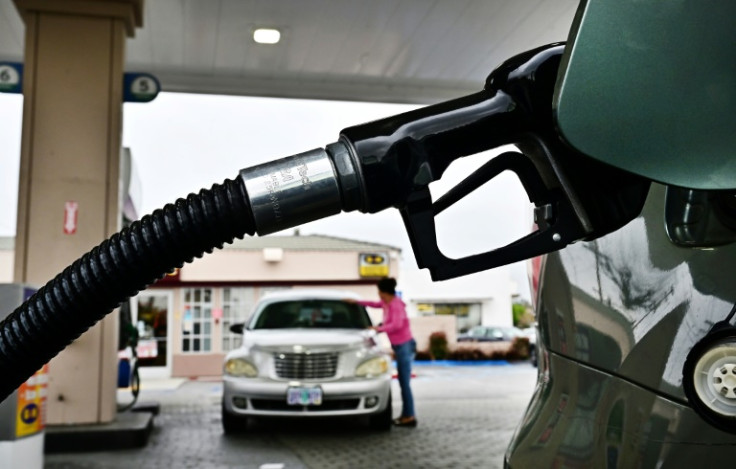
The increases mark a dramatic escalation from just weeks earlier, driven primarily by geopolitical unrest in the Middle East, including ongoing U.S.-Israel actions against Iran that have disrupted oil supply chains and pushed crude prices higher. Spring break travel demand has compounded the pressure, sending retail prices soaring as refiners shift to costlier summer-blend formulations.
AAA's daily tracking, updated as of March 18, shows regular gasoline up 5.2 cents from Tuesday's $3.790 average and a staggering 26.4 cents higher than a week ago when it stood at $3.578. Compared to a month earlier, when averages hovered around $2.923, the jump exceeds 91 cents per gallon — the steepest monthly rise in recent memory. Mid-grade gasoline averaged $4.337, premium $4.705, and diesel $5.068, with the latter reflecting a 21-cent weekly increase reported by the EIA for the week ending March 16.
EIA weekly data, released March 17, confirms the trend: regular gasoline averaged $3.720 for the week ending March 16, up from $3.502 the prior week and $3.015 two weeks prior. On-highway diesel climbed to $5.071, a 21.2-cent rise from $4.859 and a massive 96-cent surge from early March levels around $3.897. Year-over-year, diesel stands $1.522 higher than the same period in 2025, while gasoline is up roughly $1.20 from last year's figures.
Analysts attribute the spike to a confluence of factors. Escalating conflict in the Middle East has constrained global diesel supplies, particularly for heating and power generation during a prolonged cold snap in parts of the Northern Hemisphere. Structural refining shortages and tight inventories have amplified volatility. Crude oil benchmarks hovered in the mid-$70s per barrel range recently, but futures reflected heightened risk premiums.
"Spring Break season is here, and higher gas demand is colliding with supply concerns from overseas," AAA spokesperson Aixa Diaz said in a March 12 statement. "The national average jumped nearly 35 cents in one week earlier this month, and the momentum has carried forward."
Regional variations remain stark. California leads with the highest regular gasoline prices at $5.561 per gallon, followed by Hawaii at around $4.981 and Washington nearing $5.00 in some reports. Diesel in California exceeds $6.50 in places, with West Coast averages pushing $5.55. On the lower end, states like Kansas, Oklahoma, Arkansas and Missouri hover in the $3.15 to $3.30 range for regular gas, offering relief to drivers in the Midwest and South.
State-by-state snapshots from AAA highlight the disparity: Alabama at $3.539, Florida $3.861, Texas around $3.55 and New York closer to $3.94. Diesel follows similar patterns, with Gulf Coast states like Texas and Louisiana in the mid-$4.60s to $4.90s, while East Coast and West Coast markets command premiums.
The rapid rise has drawn attention from consumers and policymakers alike. Truckers and logistics firms face mounting costs, with diesel's climb directly impacting freight rates and ultimately consumer goods prices. Motorists report "sticker shock" at pumps, particularly in Western states where prices routinely top $5.
Looking ahead, forecasts suggest continued pressure in the near term. The EIA projects annual average retail gasoline prices around $2.90 per gallon for 2026 overall, implying potential moderation later in the year as seasonal demand eases and supply adjustments occur. However, any further escalation in Middle East tensions could prolong the surge.
Experts advise drivers to shop around using apps like GasBuddy or AAA's tools, maintain fuel-efficient habits and consider alternatives like public transit during peak travel periods. Refineries are in the midst of the annual switch to summer blends, a process that typically elevates costs temporarily but aims to reduce emissions in warmer months.
For context, January 2026 retail averages stood at $2.81 for regular gasoline and $3.52 for diesel, per EIA breakdowns showing crude oil comprising about 51% of gasoline's pump price and 41% for diesel, with taxes, refining, distribution and marketing filling the rest.
The current environment echoes past volatility episodes, such as the 2022 spikes following Russia's invasion of Ukraine. Unlike then, today's drivers contend with post-pandemic recovery demand layered atop geopolitical risks.
As spring advances and summer driving season approaches, fuel costs will remain a key economic indicator. With no immediate resolution to Middle East conflicts in sight, analysts warn that prices could test $4 for regular gasoline nationally if crude sustains upward momentum.
Consumers are urged to monitor daily updates from AAA at gasprices.aaa.com or EIA at eia.gov/petroleum/gasdiesel for the most current figures by state and region. While relief may come with seasonal shifts, the immediate outlook points to sustained elevated prices at the pump.
© Copyright 2026 IBTimes AU. All rights reserved.