Tesla Shares Fall Nearly 4% to $381.59 as Investors Take Profits After Recent Rally
Tesla faces profit-taking and market challenges despite strong energy storage growth.
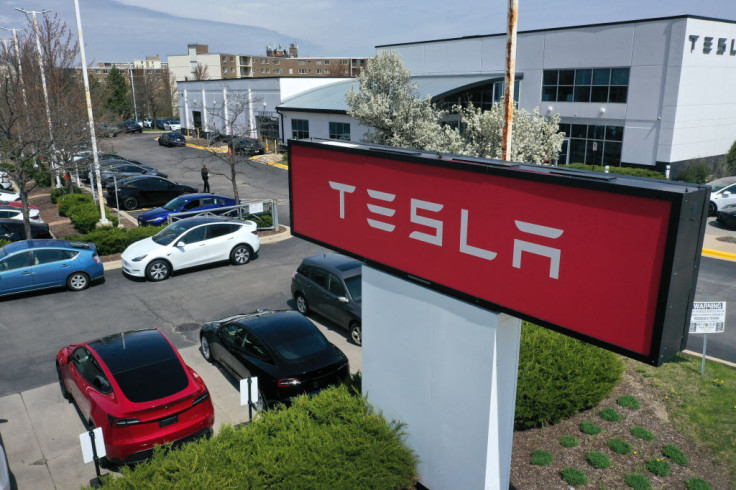
NEW YORK — Tesla Inc. shares declined sharply on Wednesday, closing down 3.80% at $381.59 as investors engaged in profit-taking following a strong run and amid ongoing caution around electric vehicle demand and execution risks on ambitious growth initiatives.
The move erased some of the recent gains that had pushed the stock higher on optimism about autonomous driving progress and energy storage momentum. In after-hours trading, shares slipped further to $378.78. Volume was elevated as traders reacted to broader market rotation and company-specific developments.
Tesla has been one of the market's most volatile and closely watched names, with its performance heavily influenced by CEO Elon Musk's vision for full self-driving technology, robotaxi services and expansion into robotics. While the company maintains leadership in the EV space, increasing competition and margin pressures have kept investors attentive to quarterly execution.
Recent Performance Drivers
Tesla delivered solid first-quarter results earlier in 2026, with energy storage deployments showing particularly strong growth. The Megapack business has become an important diversification pillar, helping offset softness in vehicle deliveries amid a challenging global EV market.
However, automotive margins have faced headwinds from price adjustments and increased competition from both traditional automakers and new entrants in China. Production ramps on newer models, including refreshed versions of existing lineups, remain critical to sustaining growth.
The stock's recent rally had been fueled by positive sentiment around regulatory approvals for autonomous features and progress on the Optimus humanoid robot project. Wednesday's pullback reflects typical consolidation after gains, with traders locking in profits ahead of upcoming catalysts.
Broader EV Market Context
The global electric vehicle sector continues expanding, though growth rates have moderated from pandemic-era peaks. Supply chain normalization, incentive phase-outs in some regions and higher interest rates have impacted affordability for many consumers. Tesla's ability to maintain pricing power while scaling production remains a key focus for analysts.
In the United States, EV adoption faces headwinds from infrastructure gaps and varying state incentives. Internationally, China's domestic market remains intensely competitive, with local manufacturers challenging Tesla's position. Europe's regulatory push toward electrification provides long-term support but has also introduced near-term volatility around tariffs and supply chains.
Autonomy and Robotics Ambitions
Tesla's long-term valuation hinges heavily on success in full self-driving technology and robotaxi deployment. The company has made incremental progress on regulatory approvals and software improvements, though timelines for widespread commercialization have repeatedly shifted.
Musk has consistently emphasized that autonomy represents the company's largest opportunity. Investors remain divided on near-term monetization potential versus the substantial research and development costs required to achieve it. The Optimus project adds another layer of speculative upside, with potential applications in manufacturing and service industries.
Energy Business as Growth Driver
The energy generation and storage segment has emerged as a bright spot, with Megapack deployments accelerating. This business benefits from global demand for grid stabilization and renewable integration, offering higher margins than the automotive side in recent periods.
Analysts project continued expansion in energy storage as utilities and commercial customers seek solutions for intermittent renewable power. This diversification helps mitigate risks tied solely to vehicle sales cycles.
Financial Position and Capital Allocation
Tesla maintains a strong balance sheet with significant cash reserves, providing flexibility for capital expenditures on new factories, technology development and potential acquisitions. The company has not paid dividends, focusing instead on reinvestment and occasional share buybacks during periods of market weakness.
Free cash flow generation has improved with operational efficiencies, though heavy spending on growth initiatives keeps the balance dynamic. Management has emphasized long-term value creation over short-term metrics, a strategy that has rewarded patient investors but contributed to volatility.
Analyst Perspectives
Wall Street consensus remains mixed but generally constructive on Tesla's long-term potential. Several firms maintain Buy ratings, citing leadership in EVs, energy storage and autonomy. However, some analysts have expressed caution around valuation multiples and execution risks on ambitious timelines.
Price targets vary widely, reflecting differing views on the probability and timing of robotaxi and robotics revenue streams. Near-term focus centers on delivery numbers, margin trends and updates from the next earnings call.
Market Sentiment and Technical Factors
Tesla shares have shown classic meme-stock characteristics at times, with retail investor enthusiasm driving sharp moves. Institutional ownership remains significant, with many funds viewing it as a core growth holding in technology and clean energy portfolios.
Technically, the stock encountered resistance after recent gains, with Wednesday's decline testing support levels. Options activity indicated active hedging and speculative positioning around key price points.
Investment Considerations
For investors, Tesla represents a high-risk, high-reward opportunity tied to disruptive innovation. The company's brand strength, manufacturing scale and technology pipeline provide competitive advantages, but success depends on flawless execution across multiple frontiers simultaneously.
Risks include regulatory hurdles for autonomy, competitive intensity in EVs, supply chain disruptions and macroeconomic impacts on consumer spending. Long-term believers focus on the transformative potential of Musk's vision, while skeptics highlight historical challenges in meeting ambitious targets.
Looking Ahead
The coming months will bring important updates on production ramps, regulatory progress and energy deployment figures. Tesla's annual shareholder meeting and next earnings report will likely serve as key catalysts for sentiment.
As the EV transition accelerates globally, Tesla's ability to maintain leadership while expanding into new areas will determine its trajectory. Wednesday's decline represents normal market fluctuation in a volatile name rather than a fundamental shift, with the stock retaining appeal for growth-oriented investors comfortable with elevated risk.
The session's trading activity reflected broader technology sector dynamics and profit-taking after recent strength. Market participants will continue monitoring Tesla closely for signals on demand trends, margin performance and strategic execution in the second half of 2026.
Tesla remains one of the most influential companies in the transition to sustainable energy and autonomous transportation. Its performance continues to shape investor narratives around innovation, execution and long-term disruption potential in the automotive and technology sectors.
© Copyright 2026 IBTimes AU. All rights reserved.
- Recommended For You