PepsiCo Stock Rises Nearly 3% as Shares Rebound From 52-Week Lows Amid Blue-Chip Rally Today
PepsiCo's stock gains as international growth offsets North American challenges, despite recent analyst downgrades.
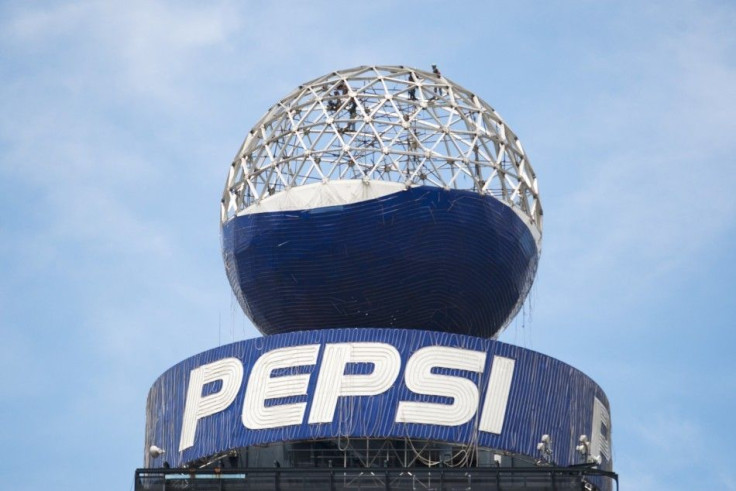
PepsiCo Inc. shares climbed Tuesday, rising 2.73% to $143.61, adding $3.82 as the beverage and snack giant participated in a broader rally among traditional consumer and industrial stocks even as it continues working to recover from a difficult stretch earlier this year.
Tuesday's gains offer a notable bounce for a stock that has spent much of 2026 trading near its 52-week lows, weighed down by weakening consumer demand and a series of analyst downgrades following a disappointing earnings report earlier this month.
A Rough Second-Quarter Report
PepsiCo's most recent earnings release, delivered July 9, fell short of Wall Street's expectations and highlighted growing pressure on the company's core North American business. PepsiCo's earnings missed estimates as U.S. consumers tightened their budgets, with the company reporting that high prices at the pump were keeping consumers from heading into stores to buy snacks.
The quarterly results themselves offered a mixed picture even beyond the earnings miss. Second-quarter 2026 results delivered revenue of $24.18 billion that beat consensus estimates, while core earnings per share of $2.20 came in slightly below the $2.21 Wall Street forecast, with organic revenue growing 2.4% for the period.
International Strength Offsets North American Softness
PepsiCo's results showed a clear divide between its performance overseas and its struggles closer to home. International operations remained a bright spot in the quarter, with the company's Europe, Middle East and Africa segment posting 10% reported revenue growth and its Asia Pacific Foods segment up 12%, offsetting persistent softness in PepsiCo Foods North America.
PepsiCo Chairman and Chief Executive Officer Ramon Laguarta highlighted the company's global sales volume trends following the report, pointing to continued international momentum even as domestic demand remained challenged.
A Wave of Analyst Downgrades
The disappointing earnings report triggered a round of price target cuts and rating downgrades from major Wall Street firms in the weeks that followed. Multiple analysts downgraded the stock or reduced price targets following the second-quarter report, with Citigroup cutting PepsiCo from Buy to Neutral and lowering its price target from $170 to $145. Citi's downgrade came despite what the firm characterized as a Q2 beat, with the analyst slashing the target by 15% even as the quarter technically topped some estimates.
Other firms took a more cautious tone as well in the weeks following the report. Barclays maintained a Hold rating on the stock in mid-July before later raising its price target modestly to $142 from $138, while still keeping an Equal Weight rating on the shares.
Shares Fell to Multiyear Lows
The combination of the earnings miss and subsequent analyst downgrades pushed PepsiCo shares down sharply in the weeks following the report, extending a broader downtrend that had already been building through the first half of the year. PepsiCo shares declined approximately 3.4% over the 30-day period ending mid-July 2026, closing at $137.12 on July 17, extending a downtrend that pushed the stock near its 52-week low of $134.65. That represented a decline of roughly 20% from the stock's 52-week high of $171.48.
A Notable Underperformer Against Rival Coca-Cola
PepsiCo's struggles this year have stood out particularly when compared with the performance of its chief beverage industry rival. By contrast, rival Coca-Cola has advanced roughly 20% in 2026 and reached all-time highs in July, widening the performance gap between the two beverage and snack giants and raising questions among investors about PepsiCo's relative competitive positioning.
A Dividend Increase Amid the Stock's Decline
Even as its share price struggled, PepsiCo continued its long streak of annual dividend increases, a factor that has helped support investor interest in the stock despite its underperformance. The board of directors declared a quarterly dividend of $1.48 per share, a 4% increase, marking the company's 54th consecutive annual dividend increase. The company's annualized dividend now stands at $5.92 per share, yielding approximately 4.3% at recent trading levels, a yield that has made the stock increasingly attractive to income-focused investors even as its share price has lagged.
Guidance Reaffirmed, But Tracking Toward the Low End
Despite the disappointing quarter, PepsiCo's management has continued to stand behind its broader financial targets for the year, even while acknowledging the company is unlikely to hit the upper end of its own projections. Management reaffirmed fiscal 2026 guidance but indicated earnings are tracking toward the low end of its 4% to 6% core constant-currency earnings-per-share growth range.
A Valuation Discount Relative to Peers
One factor that some analysts have pointed to as a potential source of support for the stock is its current valuation relative to both the broader market and its industry peers. PepsiCo's forward price-to-earnings ratio of roughly 18 times stands at a notable discount to both the broader S&P 500 and rival Coca-Cola, a gap that some value-oriented investors view as an opportunity given the company's continued international growth and long dividend track record.
Part of a Broader Blue-Chip Rally Tuesday
Tuesday's gains for PepsiCo came alongside broader strength in traditional consumer and industrial names, even as technology and semiconductor stocks continued to face pressure from an ongoing global chip-sector selloff. That divergence has become a recurring theme in recent trading sessions, with more defensive, earnings-driven consumer names outperforming amid continued volatility in AI-linked technology stocks.
With PepsiCo's stock still trading well below its 52-week high despite Tuesday's gains, investors will be watching closely in the coming quarters to see whether the company's international growth momentum can offset continued softness in its core North American snack and beverage business. Given the string of analyst downgrades that followed the July 9 earnings report, a sustained recovery in the stock is likely to depend heavily on whether PepsiCo can show clearer signs of stabilization in U.S. consumer demand when it next updates investors on its business performance.
© Copyright 2026 IBTimes AU. All rights reserved.
- Recommended For You