

K-Beauty Surges to US Mainstream as Medicube Dominates Amazon Prime Day and Major Retailers Expand Shelves
Korean beauty brands expand shelf space in major US retailers, driving significant sales growth and consumer interest.
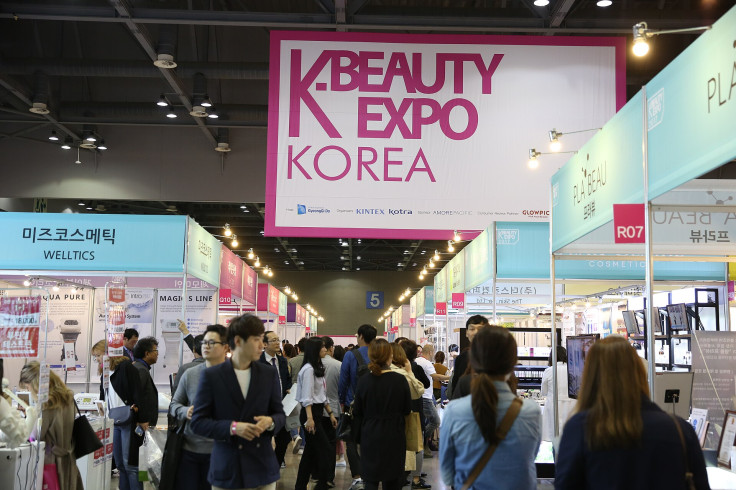
NEW YORK — Korean beauty products are shifting from online viral favorites to everyday staples for American consumers, with brands securing broader shelf space at major retailers and driving record search and sales figures during key shopping periods.
Medicube, the flagship brand of South Korean company APR, ranked as the most-searched beauty brand during Amazon's Prime Day event held from June 23 to 26. It claimed the top spot in beauty brand sales for the second consecutive year, according to data from beauty industry outlet BeautyMatter and company statements. Several Medicube products, including its Zero Pore Pads, ranked among Amazon's top sellers in the beauty and personal care categories.
K-beauty's share of total beauty searches on the platform during Prime Day rose to 10.5 percent from 6.5 percent the previous year. Other Korean brands including Anua, Laneige and Beauty of Joseon also climbed in search rankings. Dave Karlsven, senior vice president of partnerships and growth at Market Defense, noted that Korean beauty brands captured 10.5 percent of all beauty searches and drove roughly 19 percent of the overall Prime Day search lift.
Similar patterns appeared in traffic to major beauty retailers. Medicube generated about 99,300 visits to Ulta Beauty's online store via organic Google searches in the first half of the year, ranking second among all brands, according to Retailboss data. Anua ranked fifth with roughly 55,800 visits, while Dr. Mellaxin placed seventh. At Sephora, Amorepacific's derma brand AESTURA ranked sixth with about 89,000 visits, and Beauty of Joseon ranked ninth.
Industry analysts interpret the search data as evidence that consumers are moving beyond social media discovery to actively seeking specific brands at established retail channels. "This year's promotion reaffirmed Medicube's popularity in the US while highlighting strong consumer demand across Europe," an APR official said regarding the Prime Day results.
Sales figures underscore the broader expansion. Market research firm NielsenIQ reported that K-beauty sales in the United States reached $2.8 billion over the past 52 weeks, a 48.1 percent increase from the prior year. The share of U.S. households that purchased K-beauty products rose to 28.7 percent. E-commerce still accounts for about 76 percent of K-beauty sales in North America, leaving offline channels with significant room for growth.
Major U.S. retailers have responded by rapidly expanding their K-beauty assortments. Target quadrupled its K-beauty offerings this spring and added more than 150 new items spanning skincare and color cosmetics. Medicube entered more than 1,500 Target stores in April and began rolling out to approximately 3,000 Walmart stores starting in June. The brand is featuring dedicated displays centered on popular items such as Zero Pore Pads, Collagen Gel Cream and Collagen Night Wrapping Mask.
LG H&H's The Face Shop entered about 1,600 Walmart stores on July 26, following its earlier placement in roughly 1,900 Target locations. These moves aim to convert online demand into physical retail traffic. APR has also been in discussions to expand Medicube into Costco warehouses in the United States, Canada and Europe later this year.
The growth reflects a maturation of the category. Early interest often centered on single viral products amplified by social media platforms such as TikTok. Brands are now demonstrating sustained competitiveness through consistent product performance, repeat purchases and wider distribution. Medicube's devices and treatment pads, for example, have attracted attention from celebrities including Hailey Bieber and Kylie Jenner, contributing to mainstream visibility beyond niche online communities.
Amorepacific, South Korea's largest cosmetics group, also reported strong results during the same period. Its U.S. revenue rose 20 percent year over year during the Prime Day window, supported by both established brands and newer exports. European sales climbed 22 percent, with products such as Cosrx sunscreen ranking highly in its category.
Offline expansion is viewed as a critical next phase. Wider physical presence allows brands to reach shoppers who may not primarily shop online and who often arrive with higher purchase intent. Retailers benefit by capturing demand that previously flowed almost exclusively through e-commerce platforms.
The trend aligns with broader shifts in U.S. consumer preferences toward skin-first routines, innovative textures and clinically inspired formulations that characterize many Korean products. Facial skincare continues to dominate the sales mix, while categories such as hair care and color cosmetics are gaining traction. Ingredient trends including collagen, PDRN and gentle exfoliating acids have resonated with American shoppers seeking visible results without heavy fragrance or irritation.
Despite the rapid gains, challenges remain. Competition among K-beauty brands is intensifying both online and on shelves. Maintaining quality, managing inventory across thousands of retail doors and differentiating beyond initial social media momentum will test companies as they scale. Currency fluctuations, shipping costs and evolving retail strategies also factor into long-term planning.
For now, the data points to accelerating mainstream adoption. What began as a niche interest fueled by digital discovery has evolved into measurable household penetration and expanding physical availability at the largest U.S. retailers. Brands that successfully transition from online hits to consistent in-store performers stand to capture a larger share of the growing category.
As retailers continue adding K-beauty lines and consumers demonstrate willingness to seek out specific brands, the category is moving firmly into the daily routines of a broader American audience. Medicube's dual success in search rankings and store expansion illustrates how individual brands can leverage digital strength into offline scale. Similar trajectories for other Korean labels suggest the current growth phase has further room to develop across both channels.
© Copyright 2026 IBTimes AU. All rights reserved.