

Is SK Hynix Stock a Good Buy in the US in 2026? Analysts Weigh Risks and Rewards After Nasdaq Debut
SK Hynix's U.S. Listing Sparks Debate Among Investors
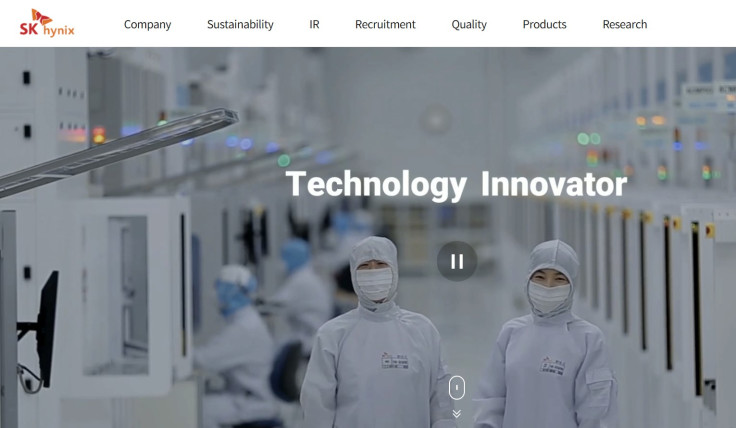
Investors weighing whether to buy shares of SK Hynix now have a new, more accessible way to do it: the South Korean memory-chip giant began trading on the Nasdaq Friday, giving U.S. investors direct access to a stock that has surged nearly eightfold over the past year on the strength of the artificial intelligence boom. But whether that access represents a buying opportunity or a chance to cash out near a peak is a question dividing Wall Street.
SK Hynix's American depositary receipts priced at $149 apiece, raising $26.5 billion in the largest-ever U.S. share sale by a foreign company, and jumped as much as 17% in their opening session. The listing capped a run in which SK Hynix's Korea-listed shares climbed roughly 222% so far this year and as much as 800% over the past twelve months, propelled by surging demand for the high-bandwidth memory, or HBM, chips that power Nvidia's AI accelerators and similar hardware from other chipmakers.
The bull case for the stock centers on SK Hynix's dominant position in that HBM market, where the company holds an estimated 56% to 58% share of global revenue, ahead of rivals Samsung and Micron. Wall Street sentiment has remained largely favorable: of 37 analysts covering the stock, 35 rate it a buy, with an average 12-month price target implying meaningful upside from current levels, according to data from Investing.com. UBS has raised its target for the Korean shares, citing revised long-term supply agreements that lock in a substantial share of expected volume and pricing for SK Hynix's memory products.
The company's recent financial results have given bulls plenty of ammunition. SK Hynix posted first-quarter revenue of roughly 52.58 trillion won, or about $38.1 billion, a 198% jump from the same period a year earlier, with operating margins reported above 70% and net profit margin climbing to 77% from 46%. Brokerage KB Securities has forecast memory price increases of roughly 199% year-over-year for DRAM and 255% for NAND, and projected second-quarter operating profit surging more than sixfold from the prior year. Those figures reflect an unusually favorable pricing environment as AI data centers compete for a limited global supply of advanced memory chips.
Even so, several analysts and research firms have urged caution, arguing that much of that good news may already be reflected in the stock's price. SK Hynix's valuation gap with U.S. rival Micron Technology has narrowed considerably as its shares have rallied, and some analysts warn the stock's historically low price-to-earnings ratio could reflect a "value trap" tied to expectations of future supply expansion and slowing profitability, rather than genuine undervaluation. Given the scale of gains already realized by existing shareholders, some market observers have suggested the Nasdaq listing may function more as a liquidity event for early investors than a fresh entry point for newcomers.
The central risk cited across nearly every analysis of the stock is the historically cyclical nature of the memory chip business. Memory has repeatedly moved through boom-and-bust cycles over past decades, with periods of shortage and soaring prices eventually giving way to oversupply and sharp corrections once manufacturers ramp up capacity. SK Hynix's stock has already demonstrated that sensitivity this year: shares dropped roughly 12% in a single session in late June after reports that Nvidia might trim production of an upcoming chip platform and that SK Hynix was slowing the expansion of its next-generation HBM capacity, before rebounding in the weeks that followed.
Analyst price targets for SK Hynix's Korean shares illustrate the scale of that uncertainty, ranging from roughly 1 million won on the bearish end to between 4 million and 5.3 million won on the more bullish end of forecasts, according to data compiled by TradingView and Alpha Spread. That wide dispersion reflects genuine disagreement among analysts over how long the current AI-driven memory shortage will persist, rather than a lack of coverage or information about the company.
Beyond the memory cycle itself, analysts have flagged several additional risks. SK Hynix's business remains concentrated among a relatively small number of major customers, exposing the company to any pullback in capital spending by large AI infrastructure buyers such as Nvidia and the hyperscale cloud providers building out data centers. Competitive pressure is also intensifying, with Samsung mounting what analysts describe as an aggressive push to close the gap in HBM production, while Micron continues to invest heavily in expanding its own U.S. manufacturing footprint. The scale of capital expenditure required to maintain SK Hynix's technological lead, including a planned cluster of chip fabrication plants in Yongin, South Korea, expected to cost roughly $390 billion, also weighs on long-term margin expectations even as near-term profits soar.
Company leadership has expressed confidence that current demand levels reflect a structural shift rather than a temporary spike. SK Hynix Chairman Chey Tae-won told CNBC's Kristina Partsinevelos following the company's Nasdaq debut that when he meets with customers and partners, demand consistently outpaces the company's expansion plans, saying that even after SK Hynix announced it would double its production capacity within five years, customers responded that the increase still wouldn't be enough.
For investors specifically evaluating the newly listed U.S. shares, additional considerations apply beyond the underlying business fundamentals. The ADRs are structured so that ten depositary receipts represent one common share traded in Seoul, and the securities will trade under the temporary ticker SKHYV before shifting to the permanent ticker SKHY when regular trading begins Monday. Options trading on the U.S.-listed shares is expected to become available within a few business days of the debut, giving investors additional tools to hedge or speculate on the stock's volatility, though that also introduces the kind of derivatives-driven price swings that have affected other recent high-profile listings.
Ultimately, market analysts characterize SK Hynix as a high-conviction bet on the durability of the AI memory boom rather than a low-risk holding. The investment case remains strong if HBM demand keeps expanding and memory pricing stays elevated, but the same cyclical dynamics that have driven the stock's extraordinary rally could just as easily reverse it if AI infrastructure spending slows or memory supply catches up with demand. As with any individual stock, prospective investors are generally advised to weigh their own risk tolerance, time horizon and portfolio diversification needs, and many analysts suggest consulting a licensed financial adviser before making investment decisions based on a single company's growth story, however compelling the underlying numbers may currently appear.
© Copyright 2026 IBTimes AU. All rights reserved.