

Intel Shares Plunge Over 8% as Chipmaker Faces Renewed Market Pressures
Intel faces challenges in AI and semiconductor sectors as shares drop 8%
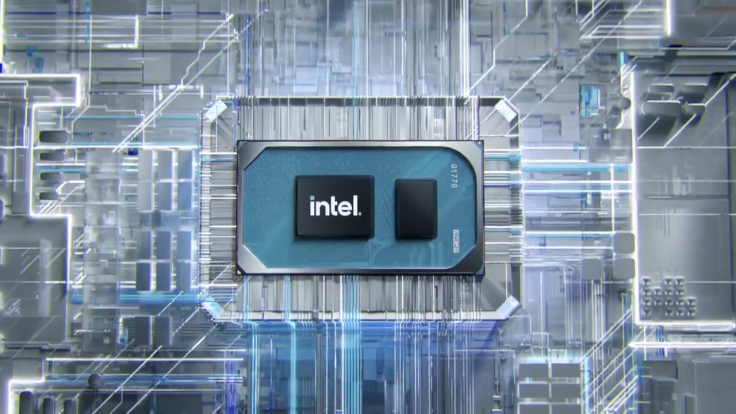
NEW YORK — Intel Corp. shares tumbled sharply on Tuesday, extending recent volatility for the semiconductor giant as investors reacted to broader sector dynamics and company-specific challenges in an increasingly competitive artificial intelligence landscape.
The stock fell approximately 8.04%, or $9.82, to close at $112.38. The decline erased gains from earlier in the year and highlighted ongoing concerns about Intel's positioning amid rapid advancements by rivals in data center and AI technologies. Trading volume surged as the sell-off gained momentum throughout the session.
This latest drop comes despite Intel's notable recovery earlier in 2026, when shares more than tripled at points on optimism around foundry deals, AI infrastructure demand, and potential partnerships. The company has been aggressively investing in manufacturing capacity and next-generation processors to reclaim ground lost to competitors like Nvidia and AMD in high-growth segments.
Intel's challenges stem from multiple fronts. The foundry business, a key pillar of its turnaround strategy, continues to face execution hurdles and cash burn, even as management pursues major external customers. Supply chain constraints have periodically hampered its ability to meet demand for data-center chips, a segment critical for AI workloads. Earlier in the year, such issues contributed to guidance shortfalls that triggered significant sell-offs.
Analysts have mixed views on Intel's prospects. While some highlight accelerating revenue growth in data center and AI — up substantially year-over-year in recent quarters — others point to elevated valuations and persistent losses on a GAAP basis. The stock's forward price-to-earnings multiple remains elevated, leaving limited room for disappointment as the company navigates heavy capital expenditures.
Broader semiconductor sector weakness amplified the move. Concerns over AI spending sustainability, potential overcapacity in certain compute areas, and macroeconomic uncertainties weighed on chip stocks. Intel, with its exposure to both consumer PCs and enterprise servers, felt the impact more acutely than pure-play AI leaders.
The Santa Clara, California-based company has been undergoing a significant restructuring. Under leadership focused on operational efficiency, Intel has pursued cost-cutting measures, asset sales, and strategic alliances. Initiatives like expanded manufacturing in the U.S. and Europe align with government incentives aimed at bolstering domestic semiconductor production.
Second-quarter earnings are scheduled for late July, with investors closely watching for updates on foundry progress, processor roadmaps such as Panther Lake, and margin recovery. Management has previously emphasized improving gross margins and AI-related product momentum as key metrics for the turnaround story.
Intel's long-term bet centers on the evolving AI ecosystem. As demand shifts toward more diverse computing architectures — including a greater role for CPUs alongside specialized accelerators — the company argues its expertise positions it favorably. Data center revenue has shown acceleration, reflecting stronger uptake of its Xeon processors and Gaudi accelerators.
However, competition remains fierce. Rivals continue to innovate rapidly, and Intel must prove it can deliver competitive performance and power efficiency at scale. Foundry losses, running into billions in recent periods, represent a significant drag that must be addressed for sustainable profitability.
Wall Street reactions reflected caution. While some firms maintain buy ratings citing undervaluation relative to growth potential, others have trimmed targets amid near-term uncertainties. The stock's 52-week range has been exceptionally wide, underscoring its sensitivity to news flow and execution milestones.
For Intel, the stakes are high. As one of the original giants of Silicon Valley, its success or struggles ripple through the broader technology supply chain. Suppliers, customers, and regional economies tied to its fabs monitor developments closely. The company employs tens of thousands worldwide and plays a vital role in U.S. efforts to reduce reliance on foreign semiconductor manufacturing.
Recent partnerships and customer wins have provided positive catalysts. Reports of collaborations with major cloud providers and potential deals in automotive and edge computing have buoyed sentiment at times. Yet translating announcements into revenue and margins remains the core challenge.
Market participants will now assess whether Tuesday's decline represents a buying opportunity or signals deeper issues. Technical indicators showed the stock testing support levels, with potential for further volatility around upcoming economic data and sector earnings.
Intel's dividend, long a staple for income investors, continues to offer yield even as the payout ratio faces scrutiny amid losses. Share repurchases have also been part of the capital return strategy, though capital allocation priorities lean heavily toward R&D and factory builds.
The semiconductor industry as a whole benefits from secular tailwinds: digital transformation, AI proliferation, and electrification. Intel's ability to capture a larger share of these trends will determine its trajectory. Management has expressed confidence in its process technology improvements and ecosystem partnerships.
Looking ahead, the remainder of 2026 could prove pivotal. Key product launches, foundry customer additions, and operational milestones are expected to shape investor narratives. Any positive surprises on cost control or AI wins could catalyze a rebound, while delays or margin misses might pressure the stock further.
In the near term, broader market sentiment toward technology and growth stocks will influence Intel's performance. Rotation into small caps and value names has occurred intermittently, but big tech and semiconductors retain significant weighting in major indices.
Intel's story exemplifies the high-stakes nature of the chip sector. From near-abandonment levels earlier in the decade to substantial recovery, the company has demonstrated resilience. Tuesday's trading served as a reminder that execution risks persist even amid optimistic long-term outlooks.
Investors continue to debate the valuation. Bulls point to Intel's manufacturing scale, intellectual property portfolio, and strategic importance. Bears highlight competitive pressures, execution history, and capital intensity. The coming earnings cycle may provide clearer signals on which narrative gains traction.
As markets closed, Intel shares reflected the day's risk-off move in the sector. The decline caps a period of heightened volatility but fits within the stock's pattern of sharp reactions to fundamental updates. With earnings on the horizon, attention now shifts to management's ability to deliver on promises of renewed competitiveness.
© Copyright 2026 IBTimes AU. All rights reserved.