

Apple iPhone 18 Pro Rumored to Feature In-House C2 5G Modem, Advanced Satellite Connectivity
The iPhone 18 Pro series is set to enhance connectivity and efficiency with Apple's second-generation C2 modem and improved satellite features.
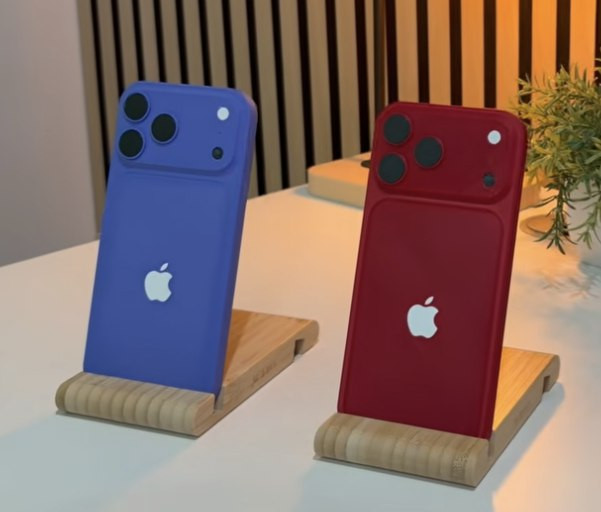
Apple is expected to take another significant step toward hardware independence with the iPhone 18 Pro lineup, as leaks suggest the company will deploy its second-generation C2 5G modem in global models while introducing enhanced satellite connectivity and efficiency improvements.
The anticipated September 2026 launch of the iPhone 18 series has generated considerable speculation, with reports pointing to notable advancements in connectivity, performance and battery life for the Pro models. While Apple has not commented on the unannounced devices, industry leaks provide an early outline of potential features.
Central to the rumors is Apple's continued push to replace Qualcomm modems with its own silicon. The C2 modem, following the C1 introduced in earlier models, is tipped for international variants of the iPhone 18 Pro and iPhone 18 Pro Max. U.S. models may retain Qualcomm's Snapdragon solution to maintain mmWave 5G support, according to supply chain information.
This dual-modem strategy reflects ongoing technical and regulatory considerations as Apple develops fully in-house wireless capabilities. Developing proprietary modems could enable tighter integration with the iPhone's hardware and software, potentially improving power efficiency, signal performance and long-term cost control.
The C2 modem is also linked to expanded NR-NTN, or New Radio Non-Terrestrial Networks, support. This technology could extend beyond the current Emergency SOS via Satellite feature — introduced in earlier iPhones for remote areas — toward more seamless connectivity. Reports indicate the capability might allow automatic switching between cellular and satellite networks, benefiting users in low-coverage zones such as remote trails, oceans or disaster-affected regions.
Apple's satellite efforts, initially focused on safety, have evolved as partnerships with satellite operators mature. NR-NTN integration via the C2 could represent a meaningful expansion, though real-world performance and availability would depend on network infrastructure and carrier support.
Powering the iPhone 18 Pro is expected to be Apple's A20 Pro chip, reportedly manufactured on TSMC's advanced 2-nanometer process. This node shrink promises gains in speed, energy efficiency and thermal management compared to previous generations. Enhanced on-device artificial intelligence capabilities are also anticipated, building on Apple Intelligence features rolled out in recent years.
Battery life remains a key focus for consumers. Separate leaks suggest the iPhone 18 Pro Max could house one of the largest batteries in a Pro model yet, with capacities varying by market. eSIM-only versions in certain regions may accommodate a 5,425 mAh cell, while models retaining physical SIM trays could feature a 5,235 mAh battery. These increases, paired with the efficient A20 Pro chip and C2 modem, are projected to deliver noticeable endurance improvements.
Such battery enhancements would address longstanding user requests for longer usage between charges, particularly as AI features and advanced displays demand more power. Exact gains will only be confirmed through testing upon release.
The broader iPhone 18 series may also include a new ultra-premium model, often referred to in speculation as the iPhone 18 Ultra. This device is rumored to introduce a book-style foldable display, targeting the growing foldable smartphone segment dominated by competitors. Details remain sparse, but the addition could diversify Apple's premium offerings beyond traditional slab designs.
Apple's modem development forms part of a longer-term strategy to reduce reliance on third-party suppliers. The company has invested heavily in custom silicon, from A-series chips to system-on-chip designs that integrate CPU, GPU and neural engines. A fully in-house modem could further optimize performance across wireless protocols and future-proof devices for emerging standards.
Analysts note that while early custom modems may not immediately surpass established solutions in every metric, iterative improvements could yield advantages in integration and features tailored to Apple's ecosystem. Challenges remain, including matching Qualcomm's global carrier certifications and mmWave capabilities in all markets.
The iPhone 18 Pro is also expected to build on camera, display and design refinements seen in prior generations. However, connectivity and battery stand out as headline upgrades in current leaks.
Launch timing aligns with Apple's established September schedule for flagship iPhones. Pre-orders would likely follow shortly after the keynote, with availability later that month. Pricing is expected to remain consistent with recent Pro models, though final figures depend on configuration and any new Ultra variant.
Consumer interest in these rumored features is high. Enhanced satellite connectivity could appeal to outdoor enthusiasts and professionals working in remote areas. Better battery life and modem efficiency would benefit everyday users seeking reliability without frequent charging.
Apple's approach to product development emphasizes secrecy, with official details emerging only at launch events. Supply chain leaks and analyst reports frequently surface months in advance, providing a partial view that often proves directionally accurate while missing final tweaks.
The company's silicon roadmap, including the transition to 2nm processes, underscores its commitment to performance leadership. Combined with software optimizations in iOS, these hardware advances aim to deliver a cohesive user experience.
As the industry shifts toward greater integration of AI, connectivity and power management, Apple's in-house developments position it to influence future smartphone capabilities. The C2 modem, if successfully deployed, could mark a milestone in reducing external dependencies.
For now, prospective buyers weigh these early indications against current iPhone 17 models. Those prioritizing connectivity in challenging environments or maximum battery runtime may find the iPhone 18 Pro particularly compelling upon release.
The evolving landscape of 5G and satellite communications continues to shape device capabilities. Apple's rumored advancements reflect broader trends toward ubiquitous connectivity, where dead zones diminish through hybrid terrestrial and non-terrestrial networks.
While speculation provides an intriguing preview, Apple's track record shows that execution and real-world testing ultimately define product success. The iPhone 18 series will face scrutiny on how well the C2 modem, A20 Pro chip and battery enhancements translate to tangible benefits.
In the competitive premium smartphone market, such iterative leaps help maintain differentiation. Features like expanded satellite support could set new expectations for reliability beyond traditional cellular coverage.
As development progresses toward the expected September 2026 unveiling, additional details may emerge from suppliers and regulatory filings. For technology observers, the period leading to launch offers ongoing insights into Apple's engineering priorities.
The iPhone 18 Pro rumors highlight a device aiming for improved efficiency, connectivity and endurance — core attributes that have defined the lineup's appeal across generations.
© Copyright 2026 IBTimes AU. All rights reserved.