Intel Shares Tumble More Than 3 Percent as Chipmaker Faces Competitive Pressures
Intel's strategic efforts to regain market leadership face hurdles in a competitive semiconductor landscape.
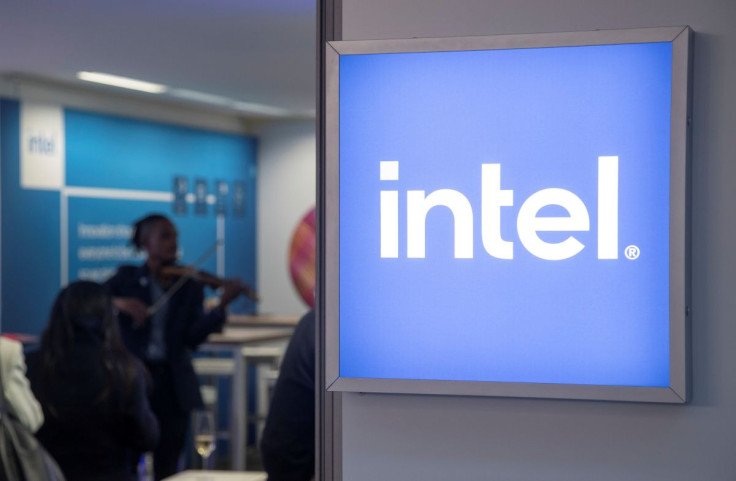
NEW YORK — Intel Corp. shares declined more than 3 percent on Friday, falling to $128.62 after losing $4.25, as investors continued assessing the company's challenges in an increasingly competitive semiconductor market.
The drop reflects ongoing concerns about Intel's position relative to rivals in artificial intelligence chips and broader foundry services. The company has faced significant pressure as it works to regain technological leadership and market share in key growth areas.
Intel's recent performance has been impacted by delayed product launches, manufacturing challenges and increased competition from companies like Nvidia and AMD. The chipmaker's efforts to restructure and invest in advanced manufacturing have required substantial capital while delivering mixed results.
The company's foundry business, aimed at competing with Taiwan Semiconductor Manufacturing Company, has struggled to attract sufficient external customers. Intel's ability to execute on its ambitious roadmap remains central to investor confidence.
Business Challenges and Strategy
Intel has undertaken a comprehensive restructuring plan including cost-cutting measures, organizational changes and increased focus on core competencies. The company's "IDM 2.0" strategy combines internal manufacturing with external foundry partnerships.
Leadership changes and strategic reviews have aimed to streamline operations and improve execution. The company continues investing heavily in new process technologies and manufacturing facilities in the United States and Europe.
Government support through the CHIPS Act has provided funding for domestic semiconductor manufacturing expansion. Intel's role in strengthening U.S. chip production has been a key element of its strategy.
The company's client computing and data center businesses face intense competition. Maintaining relevance in personal computers while expanding in artificial intelligence and cloud computing requires balanced resource allocation.
Competitive Landscape
Nvidia's dominance in artificial intelligence accelerators has challenged Intel's position in data center markets. The company's Gaudi accelerators and other AI offerings aim to provide alternatives but face significant hurdles in gaining market share.
Advanced Micro Devices has made inroads in both consumer and server markets with competitive processor offerings. Intel's response includes new generations of Core and Xeon processors with improved performance and efficiency.
Foundry competition from TSMC and Samsung remains formidable. Intel's efforts to establish itself as a major contract manufacturer require overcoming customer concerns about technology and reliability.
The semiconductor industry's cyclical nature and rapid technological change create both opportunities and risks. Intel's ability to innovate and execute will determine its competitive standing.
Financial Performance
Intel has reported mixed financial results in recent quarters, with revenue pressures in traditional segments offset by investments in future growth areas. The company's gross margins have faced challenges from manufacturing ramp-up costs and competitive pricing.
Restructuring charges and capital expenditures have impacted short-term profitability while aiming for long-term benefits. The company's balance sheet and cash position provide resources for continued investment.
Analysts have expressed varied views about Intel's turnaround prospects. Some see significant upside if execution improves while others remain cautious about competitive challenges.
Government and Policy Context
U.S. government initiatives to bolster domestic semiconductor manufacturing have provided Intel with substantial funding and policy support. The company's expansion plans align with national security and economic development goals.
International trade tensions and export restrictions affect semiconductor supply chains and market access. Intel's global operations require careful navigation of geopolitical complexities.
Regulatory scrutiny of the semiconductor industry continues regarding competition, national security and technology transfer. Compliance and strategic positioning in this environment remain important considerations.
Investment Considerations
Intel's share price performance reflects investor uncertainty about its competitive position and execution capabilities. The stock offers exposure to semiconductor industry trends with significant potential upside if turnaround efforts succeed.
Risks include continued competitive pressures, execution challenges in manufacturing and potential further delays in product roadmaps. Intel's substantial cash reserves and government support provide some buffer against these risks.
Longer-term investors may see value in Intel's technology assets, manufacturing capabilities and potential recovery. However, patience and thorough analysis of quarterly results remain essential.
The semiconductor sector's importance to technology advancement and national security supports long-term interest in companies like Intel. Its role in the industry ecosystem ensures continued relevance.
Future Outlook
Intel's leadership has outlined ambitious plans for process technology leadership and foundry competitiveness. Successful execution of these initiatives could restore the company's position as an industry leader.
The company continues investing in research and development while streamlining operations. Its ability to innovate and adapt will determine its success in an increasingly competitive landscape.
Investors will closely monitor upcoming earnings reports and guidance for signs of progress. Management's ability to deliver on commitments will influence market perception and valuation.
The semiconductor industry's fundamental growth drivers remain strong despite periodic challenges. Intel's technological heritage and manufacturing expertise provide foundations for potential recovery and growth.
As the company navigates its transformation, its contribution to American semiconductor capabilities and global technology advancement will continue. Intel's progress will be watched closely by industry participants, policymakers and investors.
© Copyright 2026 IBTimes AU. All rights reserved.
- Recommended For You