

GameStop Shares Edge Higher As CEO Ryan Cohen Weighs Dropping $56 Billion eBay Takeover Bid This Monday
GameStop's potential pivot from acquiring eBay to forming a commercial partnership could reshape its corporate strategy.
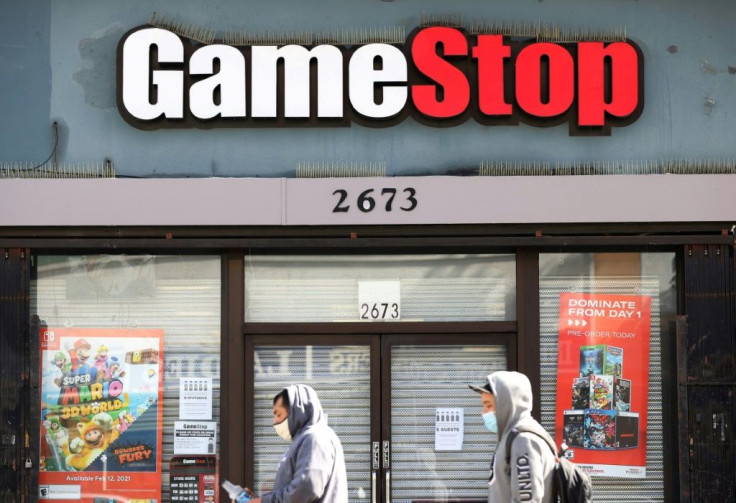
GRAPEVINE, Texas — Shares of GameStop Corp. rose modestly Monday after a report indicated that chief executive Ryan Cohen is considering walking away from the video game retailer's roughly $56 billion takeover bid for eBay, opting instead for a smaller commercial partnership with the online marketplace.
The stock traded at $19.36 as of 10:32 a.m. Eastern time, up 22 cents, or 1.15%, after climbing as much as 2.5% in premarket trading. The move followed a Bloomberg report saying Cohen is weighing withdrawing GameStop's full acquisition offer for eBay in favor of a commercial partnership or joint venture that would let eBay make use of GameStop's approximately 1,600 U.S. retail locations to expand into higher-margin categories such as trading cards and collectibles.
GameStop had originally made its offer for eBay in May, proposing to acquire the online marketplace for $125 per share in a mix of cash and GameStop stock, a deal that would have valued eBay at roughly $56 billion. eBay has not accepted the offer, and the proposed acquisition has remained unresolved for months, contributing to ongoing uncertainty around GameStop's broader corporate strategy under Cohen's leadership.
Monday's gain marks a partial rebound from a difficult stretch for GameStop shares. Just a week earlier, the stock fell sharply after the company announced plans to exchange $1.4 billion in convertible notes for Class A equity shares, a debt-reduction move intended to strengthen the company's balance sheet but one that raised fresh concerns among investors over potential dilution of existing shares. Under the terms of that exchange, the final number of new shares to be issued will be tied to a 35-trading-day volume-weighted average price reference period that began August 3, 2026, meaning the ultimate dilutive impact will not be fully known until that window closes.
The prospect of GameStop stepping back from a full acquisition of eBay, in favor of a narrower commercial arrangement, would remove a significant layer of financial and execution risk that had been weighing on investor sentiment toward the stock. A deal of the scale GameStop had proposed would have required substantial financing and integration work for a company with a market capitalization far smaller than eBay's, a mismatch that had drawn skepticism from some market watchers since the offer was first made public.
Monday's advance in GameStop shares came even as the broader U.S. stock market traded modestly lower for much of the session, with the S&P 500, Nasdaq Composite and Dow Jones Industrial Average all dipping into negative territory amid continued uncertainty over the situation in the Strait of Hormuz and its potential impact on global oil markets. That backdrop suggested Monday's move in GameStop was driven primarily by the company-specific eBay report rather than any broader market tailwind.
The stock remains well below its 52-week high. GameStop has traded in a range between $18.55 and $28.10 over the past year, and Monday's price left shares still far off the upper end of that range, reflecting a stretch of significant volatility for the retailer's stock over recent months. Shares had traded near $27 in May, around the time the eBay offer was first announced, before declining steadily as the deal remained unresolved and other corporate developments, including the convertible note exchange, weighed on sentiment.
GameStop's push to diversify beyond its traditional video game retail business has been a defining feature of Cohen's tenure atop the company. Since taking over as chief executive, Cohen has pursued a broader transformation strategy that has included share buybacks, investments in other companies' stock and cryptocurrency holdings, and, more recently, the pursuit of a major acquisition aimed at reshaping GameStop's position within the broader e-commerce and collectibles market. The company has continued to operate its retail stores under the GameStop, EB Games and Micromania banners across the United States, Canada, Australia and Europe.
A shift toward a commercial partnership with eBay, rather than an outright acquisition, would align more closely with a lower-risk approach that some investors have said they would prefer to see from the company, given the scale and complexity of the originally proposed deal. Such an arrangement could still allow GameStop to benefit from its extensive physical retail footprint by supporting eBay's expansion into categories like trading cards and collectibles, areas that have already been a growing focus for GameStop's own retail business in recent years.
GameStop reported fiscal year 2026 revenue of $3.63 billion, a decline of roughly 5% from the prior year's $3.82 billion, even as the company posted a sharp increase in earnings, which rose more than 200% year-over-year. The company's shareholders approved an increase to the total number of authorized shares outstanding at GameStop's annual meeting in July, a move that provided the company with additional flexibility for future capital-raising activities, including the recent convertible note exchange.
Investors are likely to continue watching closely for further clarity on the eBay situation in the coming weeks, along with additional details on the final terms of the company's debt-for-equity exchange once the 35-day pricing window concludes. Neither GameStop nor eBay has issued a formal public statement confirming or denying the reported shift in strategy, leaving the outcome of the potential deal, and its implications for GameStop's broader corporate direction, still unresolved heading into the back half of the year.
© Copyright 2026 IBTimes AU. All rights reserved.
- Recommended For You


