Global AI Stock Selloff Deepens as Kospi Plunges Over 10%, Chipmakers Tumble Across Asian Markets This Week
Investors Worry Over AI Infrastructure Costs and Chinese Competition

A rout in global chipmakers deepened Tuesday, as fears over the durability of the artificial intelligence boom intensified ahead of earnings results from some of Silicon Valley's biggest companies later this week.
South Korea's Kospi led declines across Asia, falling more than 10% and prompting a short halt in trading, after investors dumped shares in the country's two leading memory-chip makers.
Korean Chipmakers Bear the Brunt
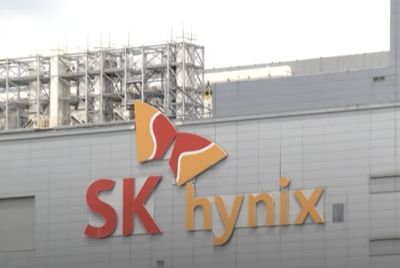
Shares in SK Hynix fell 14.7%, while its larger rival, Samsung Electronics, dropped 13.4%. The two companies have tumbled 42% and 34%, respectively, in July alone, marking one of the sharpest monthly declines either stock has experienced in years.
The selloff extended across other major Asian markets as well. In Tokyo, the Nikkei 225 fell 4.4%, with memory-chip maker Kioxia plunging more than 18%, a decline that has cut the company's share price in half over the course of this month's selloff. In Europe, ASML, the world's biggest maker of chip-manufacturing equipment, fell 2.2%.
A Sharp Reversal for Stocks That Powered the Market Higher
The scale of the reversal stands out given how central these same stocks were to global market gains earlier in the year. Chip and memory stocks, which powered global markets higher in the first half of the year as investors bet they would be the biggest beneficiaries of vast AI spending, have borne the brunt of a brutal selloff in recent weeks.
Analysts pointed to mounting anxiety around the financial sustainability of the AI infrastructure buildout as the central driver behind the reversal. Venu Krishna, head of U.S. equities strategy at Barclays, said worries around funding uncertainties, capital expenditure increases and Big Tech free cash flow have taken center stage for investors.
Wall Street Selling Spills Into Asia
Tuesday's declines in Asia followed another difficult session for chip and memory stocks on Wall Street a day earlier. Monday's trading saw memory company SanDisk fall 11% and chipmaker Nvidia drop 5%, with futures tracking the Nasdaq 100 pointing to a further 0.8% drop at Tuesday's open.
Big Tech Earnings Add to the Nerves
The selloff comes as Wall Street enters the heart of second-quarter earnings season, with major technology companies scheduled to report results this week. Tech giants Microsoft, Meta, Apple and Amazon are all set to deliver reports later this week, and investors are parsing early results for signs of whether massive AI-related spending will ultimately prove sustainable.
That nervousness was already on display last week following one major tech company's results. Alphabet's share price dropped 7% in a single day last week, following the company's announcement that Google had burned through cash in the second quarter to fund AI infrastructure spending.
Diverging Views on Whether the Selloff Is Overdone
Not all market strategists agree on how to interpret the current wave of selling. Marija Veitmane, head of equity research at State Street, said the market is worried about extra borrowing, extra capital expenditure and how sustainable current spending levels really are, describing the negative momentum as building into a "spiral." Despite that caution, Veitmane also struck a more optimistic note about underlying demand, telling reporters that reading through the results reported so far, demand still appears fantastically strong, and that for her, the current pullback represents a buy-the-dip opportunity.
Other investors were more skeptical about the sustainability of current spending trends. Albert Saporta, group chief executive of asset manager GAM, attributed the moves to a realization that the current AI capital expenditure frenzy will end up in a bust, much like previous spending cycles across other industries. Saporta added that rising prices for credit default swaps tied to companies including Oracle, SpaceX, Alphabet, Amazon, Meta, Broadcom and Nvidia pointed toward a broader investor reckoning over the AI spending plans of major U.S. technology firms.
Chinese Competition Adds to the Anxiety
Beyond concerns about spending sustainability, growing evidence of Chinese progress in AI development has added another layer of unease for investors. Jim Reid, an analyst at Deutsche Bank, said renewed worries over AI investment spending and competition from cheaper Chinese companies triggered another selloff in global semiconductor stocks Tuesday morning.
That anxiety was fueled in part by a notable development from a Chinese AI startup last week. Chinese AI startup Moonshot last week released a large language model which appeared to have capabilities approaching those of frontier U.S. labs such as Anthropic, a development that rattled investors betting that Silicon Valley's biggest companies would need to maintain vast spending levels to stay ahead of emerging competition.
CXMT's Blockbuster Debut Cools Off
The Chinese chip sector's own volatility was also on display Tuesday, following a dramatic stock market debut a day earlier. In China, shares in memory-chip maker CXMT fell more than 4% on Tuesday, a day after it raised $8.5 billion in a blockbuster listing in Shanghai. Its shares had risen 466% on Monday.
A Steep Fall From SK Hynix's Recent Peak
The scale of SK Hynix's decline becomes even more apparent when measured against its recent highs. The Seoul-listed shares of SK Hynix have plunged nearly 50% since hitting a record high of around 3 million won, or roughly $2,000, in June, after the stock had tripled in value earlier this year before peaking.
Traders Describe an Unusually Violent Selloff
Market participants in Tokyo described the speed of the recent decline as unlike anything they had recently witnessed, attributing part of the move to rising interest rates unwinding momentum and retail-driven positions. One senior equities trader said they could not remember seeing anything this bad or violent in recent memory.
The scale of the Kospi's pullback over the past month has been substantial. The Kospi's decline on Tuesday means the index has fallen about 25% over the past month and is down a third from its June peak, though it remains 46% higher for the year to date.
Oversupply Fears Compound the Selloff
Beyond near-term valuation concerns, some investors are also growing wary of longer-term oversupply risk as chipmakers continue announcing aggressive expansion plans. SK Hynix and Samsung plan to build two new chip plants apiece in South Korea as part of a combined 800 trillion won, or roughly $548 billion, investment aimed at doubling their production capacity for DRAM chips over the next five years. U.S. rival Micron Technology has raised its own planned domestic investment to $250 billion through the end of 2035.
A Fed Decision Looms
Adding to the uncertainty, investors are also bracing for a Federal Reserve interest rate decision on Wednesday, a potential additional trigger for volatility. Traders remain divided on whether the central bank will hold rates steady or move to raise the benchmark interest rate at this week's meeting.
With major technology earnings due throughout the week and the Federal Reserve's rate decision looming Wednesday, investors are likely to remain on edge as they weigh strong underlying AI demand against mounting concerns about spending sustainability, competitive pressure from China, and the risk of a broader capital expenditure overshoot across the chip and memory sector.
© Copyright 2026 IBTimes AU. All rights reserved.
- Recommended For You