South Korea's KOSPI Plunges 10.84% in Historic Crash as Samsung, SK Hynix Lead Tech Stock Selloff Nationwide
Massive selloff in semiconductor stocks triggers emergency trading halts in South Korea

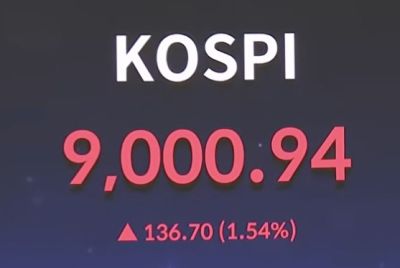
South Korea's benchmark KOSPI index suffered one of the steepest single-day declines in its history Tuesday, plunging 10.84% to close at 6,023.66, as a massive selloff in semiconductor stocks triggered emergency trading halts and rattled investor confidence across the country's technology sector.
The index fell 732.09 points from the previous session, briefly dipping as low as 5,992.91 before markets closed, marking the second-largest point drop and fourth-largest percentage decline in KOSPI's history.
Chip Stocks at the Center of the Rout
The plunge was driven overwhelmingly by heavy selling in South Korea's two dominant semiconductor giants, both of which carry outsized weight in the benchmark index. Heavy losses in semiconductor giants Samsung Electronics and SK Hynix, coupled with concerns over China's growing chip industry and weakening confidence in global AI spending, sparked panic selling across the Korea Exchange.
The severity of the decline caught even seasoned market observers off guard, given how central both companies are to the broader index's composition. Heavy selling in Samsung Electronics and SK Hynix, which together account for a large share of the KOSPI, accelerated the market-wide decline throughout the session.
Trading Halted Multiple Times
The scale of the selling was severe enough to trigger multiple layers of South Korea's automated market-stabilization mechanisms over the course of the day. A program sell sidecar was triggered in the KOSPI market at around 9:06 a.m. local time, temporarily suspending the effectiveness of sell orders after futures prices fell more than 5% below the reference price and remained there for at least a minute.
As losses deepened further into the morning, regulators were forced to take even more drastic action. South Korea's KOSPI triggered a Level 1 circuit breaker after plunging 8.02% to 6,213.51, marking the eighth such halt this year and suspending all trading in the market for 20 minutes. The KOSDAQ, home to many smaller technology firms, also triggered its own sell-side sidecar as program-driven selling intensified across both exchanges.
A Global Chip Stock Selloff Spills Into Korea
Tuesday's crash did not occur in isolation, but rather reflected a broader wave of selling that had already hit chipmakers on Wall Street in the prior session. Stocks opened sharply lower on Tuesday, dragged down by losses in tech shares following a sell-off in chipmakers on Wall Street, prompting the Korea Exchange to trigger the sell-side sidecar on the Kospi almost immediately after the opening bell.
Notably, the decline came despite otherwise supportive conditions elsewhere in global markets. The decline came despite eased Middle East tensions and mixed U.S. market moves, underscoring just how concentrated Tuesday's selling pressure was around semiconductor-related fears specifically, rather than reflecting broader macroeconomic anxiety.
China's Chip Ambitions Add to Investor Unease
A key factor cited by analysts behind the selloff was growing concern about intensifying competition from Chinese semiconductor manufacturers. Reports that Chinese firms are expanding domestic semiconductor manufacturing increased concerns about future competition for Korean chipmakers, adding fuel to fears that had already been building following the blockbuster Shanghai stock market debut of Chinese memory chipmaker CXMT a day earlier.
That listing, in which shares of ChangXin Memory Technologies soared more than 460% and briefly made the company China's most valuable listed firm, had already unsettled global memory chip investors by underscoring how quickly Chinese competitors could scale production and challenge the dominance long held by Samsung and SK Hynix in the DRAM and NAND markets.
A Broader Regional Market Reaction
The selloff in Korea also had ripple effects across the wider Asia-Pacific trading session. Most other markets in Asia declined and U.S. futures edged lower, while oil prices also fell during the session, reflecting a broad pullback in risk appetite tied specifically to the technology and semiconductor sector rather than a wholesale flight from equities generally.
The Eighth Circuit Breaker of a Turbulent Year
Tuesday's trading halt was notably not an isolated event for South Korean markets this year, which have experienced repeated bouts of extreme volatility. The circuit breaker triggered Tuesday marked the eighth such halt of 2026, a striking figure that speaks to how turbulent the year has already been for South Korean equities, driven by a combination of geopolitical shocks tied to the ongoing Middle East conflict, swings in global AI-related investment sentiment, and now growing anxiety about Chinese competition in the memory chip sector.
Putting Tuesday's Decline in Historical Context
While Tuesday's roughly 11% drop ranks among the steepest single-session declines in KOSPI's history, South Korean markets have weathered several comparably severe shocks earlier in 2026 alone, including a crash tied to the outbreak of the U.S.-Israel-Iran conflict in early March that wiped out hundreds of billions of dollars in market value in a single session. That earlier plunge was driven primarily by surging oil prices and fears over the Strait of Hormuz, a different catalyst from Tuesday's chip-specific selloff, but part of the same turbulent stretch that has repeatedly tested South Korean investors' resolve this year.
With Samsung and SK Hynix both scheduled to report earnings in the coming days, investors will be watching closely for management commentary on how the companies plan to respond to intensifying competition from Chinese rivals like CXMT, as well as any signs of whether global AI infrastructure spending is genuinely slowing or whether Tuesday's selloff reflects an overreaction to a single dramatic IPO. Given the scale of Tuesday's decline and the repeated volatility South Korean markets have experienced throughout 2026, analysts say the coming sessions are likely to remain highly sensitive to any fresh headlines out of the global semiconductor industry.
© Copyright 2026 IBTimes AU. All rights reserved.
- Recommended For You