Ross Gerber Wants Elon Musk To Build A Starlink AI Phone That Has No Apps At All, Investor Says Today
Ross Gerber pitches a revolutionary smartphone concept to Elon Musk, integrating Starlink's satellite network and AI.

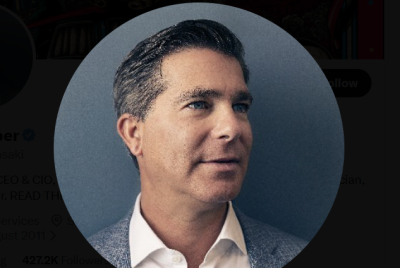
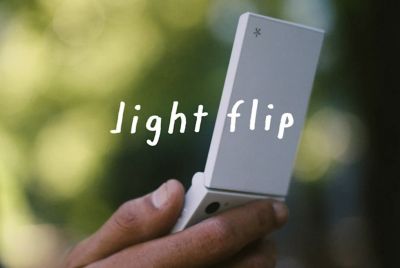
Investor Ross Gerber is pitching Elon Musk on a new kind of smartphone: one built around Starlink's satellite network, powered by artificial intelligence, and stripped of the app-based interface that has defined mobile devices for nearly two decades.
Gerber, the chief executive of Gerber Kawasaki Wealth and Investment Management and a longtime commentator on Musk's companies, laid out the concept in a series of posts on the social platform X over the weekend. He described envisioning a Starlink-powered phone with roughly three days of battery life that would abandon traditional app icons entirely in favor of a single, instruction-driven interface. According to Gerber, the device would simply do what it's told, functioning less like a conventional smartphone and more like a direct extension of an AI assistant.
The idea emerged partly as a response to a competing device concept from OpenAI. Gerber criticized reports of a smart speaker under development at the Sam Altman-led company, calling the move an "obvious miss" and arguing that a phone-based approach, rather than a stationary speaker, made more sense as a vehicle for consumer AI. Details of OpenAI's hardware plans have circulated for months amid broader industry speculation about a wave of new AI-native devices, including wearables and other non-traditional form factors, following high-profile hires and partnerships in the space.
In his vision for the Starlink phone, Gerber said the device would be able to connect to the internet anywhere in the world by relying on SpaceX's satellite network rather than traditional cellular infrastructure, and that it would come with a fixed-rate cost structure rather than the tiered data plans typically offered by wireless carriers. The pitch drew on Starlink's existing reputation for providing connectivity in remote or underserved areas, a capability SpaceX has marketed heavily since the satellite internet service's public launch.
The concept gained additional traction in the replies to Gerber's posts, where another user directly suggested that Musk build a Starlink-branded smartphone, adding that they would switch away from their current wireless carrier if such a device became available. Gerber endorsed the idea in his response, saying, "Many would buy one just as a back up... I have two starlink systems." His reply pointed to Starlink hardware's existing appeal among a subset of consumers already using the satellite service as a backup or supplemental connection alongside traditional broadband or cellular service.
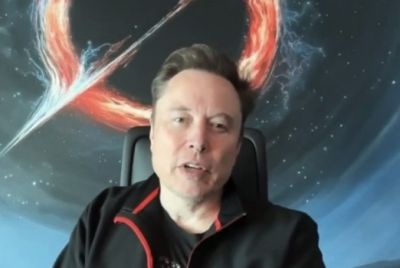
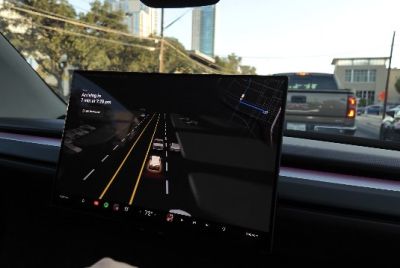
Neither Musk nor SpaceX has publicly responded to Gerber's proposal, and there has been no indication that a Starlink-branded phone is currently in development. Musk has, however, spoken recently about expanding Starlink's role in connected devices more broadly. The billionaire recently discussed plans to eventually equip what he described as billions of vehicles with Starlink connectivity, following the appearance of a Tesla robotaxi, sometimes referred to as a cybercab, spotted testing in Dallas equipped with a Starlink dish. Musk has framed satellite-based connectivity as one of the only practical ways to deliver high-bandwidth internet access to a global fleet of connected vehicles, given the limitations of relying solely on terrestrial cellular networks.
Gerber's proposal comes at a notable moment for SpaceX, whose stock traded higher in premarket activity Monday. Shares climbed more than 3% to above $137, pushing the stock back above its initial public offering price of $135 per share after a stretch of declines in recent weeks. SpaceX had fallen sharply from its post-IPO high in the weeks following its public listing, a decline that drew commentary from other market watchers questioning whether the stock's valuation had run ahead of the company's near-term fundamentals. Despite Monday's rebound, ranking data tracked by Benzinga has continued to show an unfavorable price trend for the stock across short, medium and long-term measures.
The idea of a satellite-connected, AI-driven phone touches on several trends converging across the technology industry in 2026, as major players race to define what a truly AI-native device might look like. Apple, Google and a range of startups have all faced questions in recent months about how artificial intelligence assistants might eventually reshape or replace the app-centric interface that has defined smartphones since the iPhone's debut in 2007. OpenAI's reported hardware ambitions, along with device concepts from other AI labs, reflect a broader industry bet that voice- and instruction-based interaction could eventually reduce reliance on the grid-of-apps format that has dominated mobile computing for nearly two decades.
For SpaceX and Starlink specifically, a phone concept would represent a significant expansion beyond the company's current hardware lineup, which has centered on satellite dishes and routers designed for home, business and vehicle connectivity rather than handheld consumer devices. Musk has previously discussed direct-to-cell satellite technology enabling standard smartphones to connect to Starlink's network without specialized hardware, a service SpaceX has been rolling out in partnership with wireless carriers including T-Mobile in the United States. A dedicated Starlink-branded phone, as described in Gerber's posts, would go further by building satellite connectivity directly into a standalone device rather than layering it onto existing carrier networks.
Whether Musk or SpaceX ultimately act on Gerber's suggestion remains unclear, and no formal announcement or roadmap for such a device has been made public. For now, the proposal remains a piece of investor commentary rather than a confirmed product in development, though it adds to a growing public conversation about what shape the next generation of AI-driven consumer hardware might take.
© Copyright 2026 IBTimes AU. All rights reserved.
- Recommended For You