

US CD Sales Jump 16 Percent in 2026 as K-Pop Collectors and Gen Z Nostalgia Fuel a Physical Comeback
Compact discs see a surprising resurgence in the U.S., driven by K-pop and Gen Z's nostalgia for physical music formats.
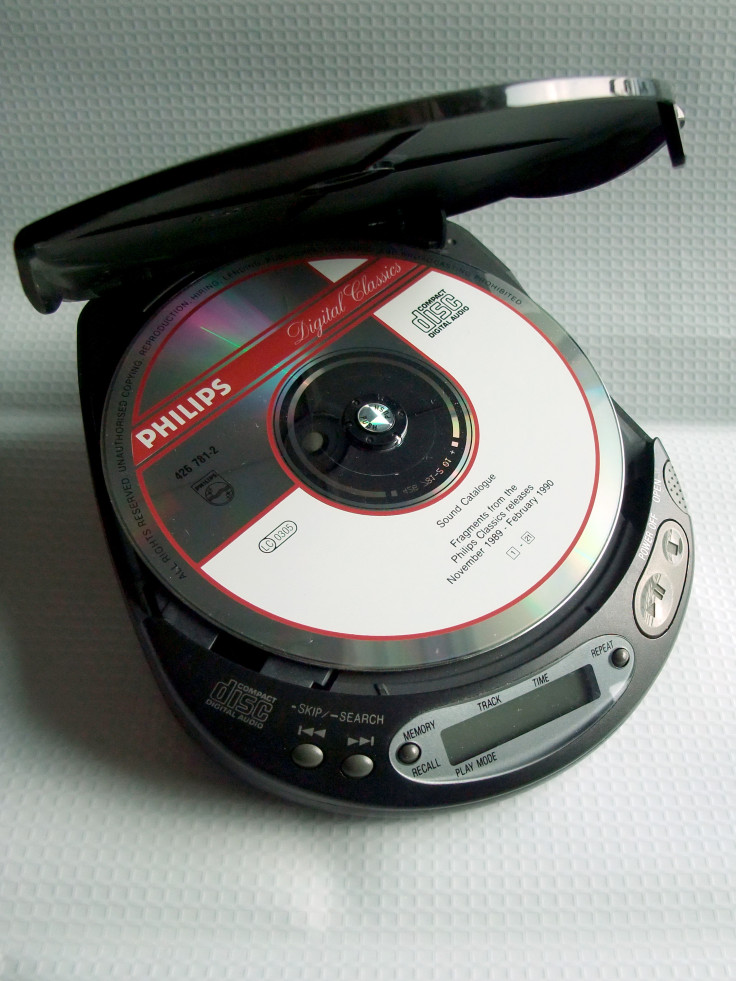
Compact discs are making an unexpected resurgence in the United States, with sales climbing 16% to 16.3 million units during the first half of 2026, according to Luminate's midyear music report, even as roughly half of the format's young buyers admit they don't actually own a CD player.
The growth rate significantly outpaced vinyl, which grew just 2.4% over the same six-month period, according to Luminate, the U.S. market research firm that tracks music industry sales and streaming data. That marks a notable shift after more than a decade in which vinyl dominated conversations around the physical music revival, with CDs now posting a growth rate nearly seven times faster than records during the first half of this year.
K-pop has played an outsized role in driving the surge. Luminate found that K-pop releases accounted for roughly 10% of the entire CD market during the period, with BTS's 10th studio album, "Arirang," leading the charge after reportedly selling 567,000 CDs in 2026 alone. Successful campaigns from other K-pop acts, including Enhypen's "The Sin: Vanish" and Ateez's "Golden Hour: Part 4," similarly drove strong sales, according to Luminate's analysis, reflecting the genre's well-documented practice of releasing albums in multiple editions featuring different covers, photo cards and bonus items, which frequently encourages devoted fans to purchase more than one version of the same release.
Even so, the CD resurgence extends well beyond K-pop fandoms specifically. Luminate calculated that CD sales would still have grown 6.7% during the first half of 2026 even if K-pop releases were removed from the equation entirely, indicating a broader shift in how younger music fans are choosing to engage with physical formats regardless of genre.
That broader shift appears closely tied to a growing nostalgia trend among younger listeners. According to Luminate's data, 60% of Gen Z listeners now report that they most often listen to music from the 1990s or earlier, a dramatic increase from just 18% who said the same in 2021. Whether driven by genuine musical discovery through streaming platforms, generational nostalgia, or simply a desire to own a tangible piece of an artist's work, younger audiences appear to be embracing physical formats at a pace that has caught much of the music industry by surprise.
Perhaps the most striking finding in Luminate's report is that ownership of a working CD player is no longer a prerequisite for buying CDs. Roughly half of Gen Z and millennial CD buyers do not own a CD player at all, according to the report, a statistic Luminate interprets as evidence that the compact disc has effectively transformed from a functional playback medium into an affordable collector's item. For many younger buyers, purchasing physical music has become as much about aesthetic ownership and directly supporting an artist financially as it is about actually listening to the product itself. Luminate captured that dynamic directly in its report, noting that "the act of buying physical music is as much about aesthetic ownership and direct financial support for the artist as it is listening to the music on the product itself."
Where fans are buying that physical music has also shifted noticeably. While independent record stores continue to account for the largest overall share of physical album sales, mass-market retailers including Target and Walmart posted the biggest gains during the first half of 2026, together capturing nearly 30% of the physical music market. Luminate attributed much of that growth specifically to K-pop's collector-driven retail culture, with artists including BTS, Enhypen and Ateez ranking among the format's biggest sellers at those big-box retailers, thanks to elaborate deluxe packaging, exclusive editions, and collectible extras such as photobooks, posters and trading cards bundled with individual releases.
Despite CDs' faster growth rate, vinyl continues to represent the larger overall physical format by total sales volume, and remains the more economically significant driver of the broader independent record-store revival. Vinyl has posted 19 consecutive years of U.S. revenue growth and surpassed $1 billion in annual wholesale revenue during 2025, meaning its comparatively modest 2.4% growth in the first half of 2026 still translated into substantially more total units sold than CDs managed, even as CDs posted the more eye-catching percentage increase. Overall, combined U.S. physical album sales across vinyl, CDs and cassettes reached 38.2 million units during the first half of 2026, a 7.8% increase over the same period the previous year. Cassette sales, by comparison, remained a niche format, totaling only around 205,000 units during the period.
Streaming, meanwhile, continued its own steady growth alongside the physical format resurgence, though at a considerably more modest pace than either vinyl or CDs. U.S. on-demand audio streams rose 4.4% to 4.8% depending on the specific measure, reaching roughly 732.7 billion plays domestically during the first half of the year, according to different figures cited across Luminate's reporting, while global on-demand streaming grew more significantly, climbing 9.8% to reach 2.8 trillion plays worldwide.
Luminate's report also touched briefly on the growing presence of AI-generated music within the streaming landscape, noting that such content has moved well past being a purely novelty phenomenon. The report cited the song "Livin' on Borrowed Time" by the AI-generated act Breaking Rust, which garnered 19 million on-demand audio streams in the U.S. during the first half of 2026. Even so, Luminate cautioned that a broader commercial breakthrough for AI-generated music has not yet materialized, noting that the track ranked just 4,304th on the overall U.S. song chart despite its substantial individual streaming total.
Taken together, Luminate's midyear findings paint a picture of a U.S. music industry increasingly defined by generational contrasts in how fans choose to consume and collect music, with younger listeners driving unexpected growth in older physical formats even as digital streaming continues expanding as the dominant overall method of listening across the broader market.
© Copyright 2026 IBTimes AU. All rights reserved.