Switzerland and Bosnia-Herzegovina Share Points Again as World Cup Group B Remains Wide Open
Switzerland's missed opportunities and Bosnia-Herzegovina's resilience keep Group B in suspense
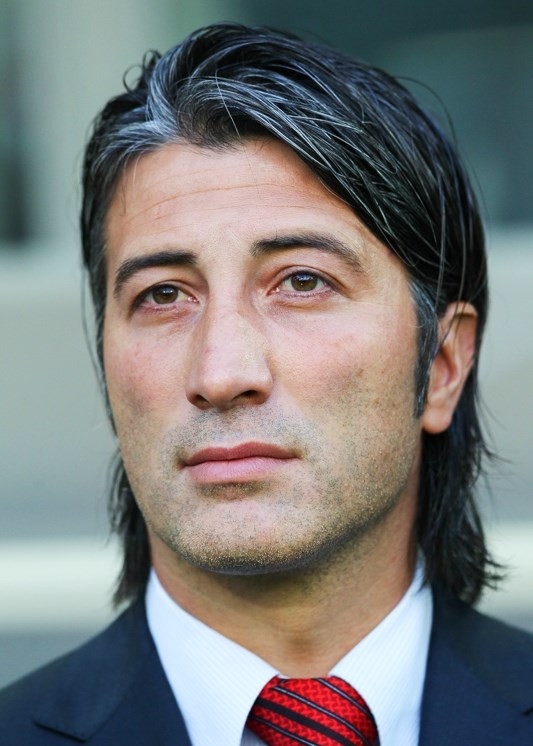
INGLEWOOD, California — For the second time in six days, Switzerland surrendered a win they should have had. For the second time in six days, Bosnia-Herzegovina came away from a World Cup match with a point they will gladly take.
A 1-1 draw at SoFi Stadium on Thursday afternoon left Group B exactly as murky as it was before kickoff, with all four sides — Switzerland, Bosnia-Herzegovina, Canada, and Qatar — now holding two points apiece heading into the decisive final round of fixtures. The result extended Bosnia-Herzegovina's remarkable unbeaten run and deepened the frustration that is fast becoming the defining characteristic of Murat Yakin's Swiss side at this tournament.
Switzerland finished the match with 27 shots to Bosnia-Herzegovina's eight, an overwhelming statistical dominance that translated into precisely one goal — a familiar story for a team that had already tormented itself against Qatar with 26 attempts and just one converted chance.
How the Match Unfolded
Switzerland's inability to convert pressure into goals has become the central tension of their tournament. Murat Yakin's side completely dominated tempo and territory against Qatar in their opener, racking up 26 attempts and 10 shots on target before conceding a 94th-minute own goal that cost them the win. Against Bosnia-Herzegovina at SoFi, the pattern repeated itself in the most deflating fashion possible.
Bosnia-Herzegovina arrived in Los Angeles as a side built on shape, discipline, and the ability to absorb punishment. They took the lead through a header from Jovo Lukic in their opener against Canada and conceded late in the second half to Cyle Larin, a result that left them with a point but also exposed their vulnerability in the final stages of matches.
Bosnia's last four competitive games have all ended 1-1, and Thursday's result made it five consecutive draws — a statistical quirk that speaks to both the resilience and the ceiling of Sergej Barbarez's side. They can hold. They struggle to win.
Switzerland's Clinical Problem
Switzerland were underwhelming in their opener but, in a stadium in which the heat would not be a factor, Yakin's side were expected to have enough to register a win that essentially sealed their place in the knockouts. That expectation made the result all the more damaging to process in the Swiss camp.
Switzerland found the net just once from 26 shots against Qatar, with Breel Embolo's goal coming from the penalty spot. Embolo, who enters every tournament as one of Europe's most physically imposing strikers and has scored in four of his last six games for Switzerland and carries 24 international goals from 86 caps, is the focal point of Yakin's attack — and the man Switzerland most need to find form at the right moments.
Yakin's primary challenge was to address his wide overloads and move the ball with much higher vertical velocity, utilising the explosive pace of Dan Ndoye and Noah Okafor to stretch the Bosnian backline and create high-value cutbacks for Embolo. Whether that plan was executed effectively against a disciplined Bosnian defensive block remained Switzerland's central problem throughout the match.
Bosnia-Herzegovina's Defensive Blueprint
Sergej Barbarez's disciplined defensive framework was highly effective in frustrating Canada in Toronto, but Matchday 2 demanded a sharp recalibration in transition. While Bosnia's rigid low-block structure successfully limited open-play opportunities for long stretches in their opener, the team naturally fatigued late in the second half, ultimately conceding a 77th-minute equaliser to Cyle Larin.
The Zmajevi came to SoFi with a significant injury concern unresolved. Sead Kolasinac's availability was a question mark after he limped off in the draw with Canada. Nidal Celik missed the rest of the tournament with an injury sustained in training and has been replaced in the squad by Arjan Malic of Sturm Graz.
Bosnia and Herzegovina arrived at their second-ever World Cup after a 12-year absence, and coach Sergej Barbarez has built a side that is hard to beat rather than one that overwhelms opponents. Their qualifying campaign delivered five wins and four draws, a record that reflects their tactical identity — a team that competes intelligently but rarely imposes itself on the scoreline with authority.
The Group B Picture
The result leaves Group B in a state of perfect equilibrium with one matchday remaining, setting up a decisive final round that could send any of the four teams through or eliminate any of them. With all four Group B sides deadlocked on one point after Matchday 1, the draw was effectively a four-way contest for two knockout places and every result carried maximum weight. Now, with all four sides on two points, that remains equally true.
Switzerland have reached the knockout rounds in each of the last three World Cups, though they have never gone beyond the last 16. The Swiss are the most experienced side in the group and the most expected to advance — but back-to-back draws against Qatar and Bosnia-Herzegovina have left them in precisely the same position as everyone else.
Before the tournament, if you had given Barbarez a draw against Switzerland, he would have probably taken it, given how the Swiss seemed the strongest team in this group on paper. However, after two 1-1 draws in the first group games, all possibilities remain wide open.
What Comes Next
The final round of Group B matches will pit Switzerland against Canada and Bosnia-Herzegovina against Qatar — simultaneous kickoffs that will determine which two nations advance to the Round of 32 of the expanded 48-team tournament. Switzerland have no margin for error. Their final group game with Canada cannot be a must-win scenario they can afford to enter lightly.
For Bosnia-Herzegovina, Thursday's draw extends their extraordinary recent run but leaves them needing a result against Qatar that Barbarez's side — with their draw-heavy tendencies — may struggle to guarantee. A group built around four entirely winnable matches has become, through collective failure to convert dominance into victory, one of the most unpredictable brackets in the entire tournament.
© Copyright 2026 IBTimes AU. All rights reserved.
- Recommended For You