2026 World Cup Kickoff: Complete Groups, Dates and Times for All 104 Matches
The 2026 FIFA World Cup, co-hosted by Canada, Mexico, and the USA, features 48 teams and 104 matches, promising an unforgettable football spectacle.
The 2026 FIFA World Cup, the largest in the tournament's history with 48 teams, begins on Thursday, June 11, when co-host Mexico faces South Africa in Mexico City. The month-long event, co-hosted by Canada, Mexico and the United States, features 104 matches across 16 venues and offers expanded opportunities for advancement to the knockout stages.
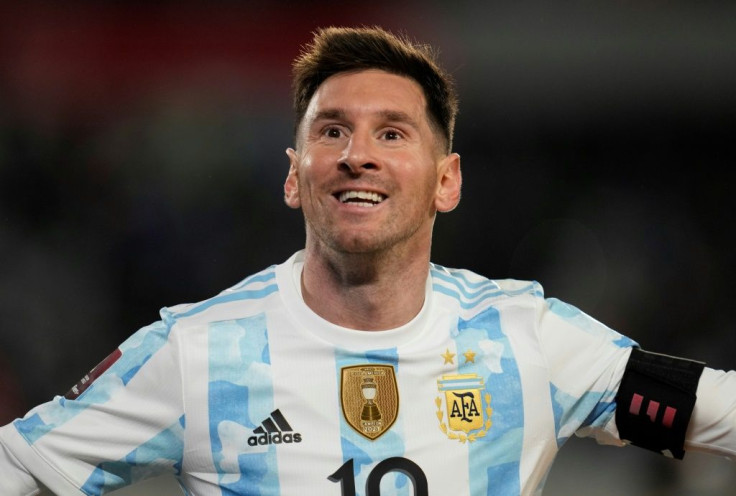
The final will be played on July 19 at the New York New Jersey Stadium (MetLife Stadium). Argentina enters as defending champion after its dramatic victory in Qatar in 2022, but a deep and competitive field makes predicting a winner challenging.
Tournament Format and Structure
For the first time, the group stage will be followed by a round of 32, with the top two teams from each of the 12 groups advancing along with the eight best third-placed sides. This expanded knockout format increases the number of matches and gives more teams a realistic path to the later stages.
Group stage matches run from June 11 to June 27. The round of 32 takes place from June 28 to July 3, followed by the round of 16 from July 4 to 7. Quarterfinals are scheduled for July 9 to 11, semifinals on July 14 and 15, the third-place match on July 18 and the final on July 19.
All venues have been temporarily renamed to reflect their host cities for the tournament to limit ambush marketing. For example, MetLife Stadium becomes the New York New Jersey Stadium, and SoFi Stadium is referred to as the Los Angeles Stadium.
Full Group Stage Schedule and Key Fixtures
Thursday, June 11 Mexico vs South Africa, 1 p.m. CST (7 p.m. GMT), Mexico City Stadium, Mexico City South Korea vs Czechia, 8 p.m. CST (2 a.m. GMT Friday), Estadio Guadalajara, Zapopan, Mexico
Friday, June 12 Canada vs Bosnia and Herzegovina, 3 p.m. ET (7 p.m. GMT), Toronto Stadium, Toronto United States vs Paraguay, 6 p.m. PT (1 a.m. GMT Saturday), Los Angeles Stadium, Los Angeles
Saturday, June 13 Qatar vs Switzerland, 12 p.m. PT (7 p.m. GMT), San Francisco Bay Area Stadium, San Francisco Brazil vs Morocco, 6 p.m. ET (10 p.m. GMT), New York New Jersey Stadium, New Jersey Haiti vs Scotland, 9 p.m. ET (1 a.m. GMT Sunday), Boston Stadium, Boston Australia vs Turkiye, 6 p.m. PT (1 a.m. GMT Sunday), BC Place, Vancouver
Sunday, June 14 Germany vs Curacao, 12 p.m. CDT (5 p.m. GMT), Houston Stadium, Houston Netherlands vs Japan, 3 p.m. CDT (8 p.m. GMT), Dallas Stadium, Dallas Ivory Coast vs Ecuador, 7 p.m. ET (11 p.m. GMT), Philadelphia Stadium, Philadelphia Sweden vs Tunisia, 8 p.m. CST (1 a.m. GMT Monday), Estadio Monterrey, Guadalupe, Mexico
The schedule continues through June 27, with key clashes including France vs Senegal, Argentina vs Algeria, Portugal vs DR Congo and England vs Croatia. The expanded format ensures every team plays at least three group stage matches, providing more opportunities for surprises and competitive balance.
Group Breakdown and Favorites
Group A features host Mexico, who open the tournament against South Africa. South Korea and Czechia are expected to battle for the second advancement spot. Mexico's home advantage at the iconic Estadio Azteca gives them a strong edge in their opener.
Group D includes co-host United States, who face Paraguay in their first match. Australia and Turkiye add depth to what could be a competitive pool. The co-hosts benefit from familiar conditions and passionate support across multiple venues.
Defending champion Argentina headlines Group J alongside Algeria, Austria and Jordan. Lionel Messi's side enters with high expectations as it seeks a historic back-to-back title.
European powerhouses France, Spain, England, Germany, Netherlands, Belgium and Portugal are spread across different groups, reducing the chance of early heavyweight clashes but ensuring high-quality football throughout the group stage.
Co-Host Advantages and Venue Highlights
The three host nations have invested heavily in infrastructure and fan experiences. Iconic venues such as BC Place in Vancouver, Lumen Field in Seattle and Levi's Stadium in the San Francisco Bay Area will host matches, providing world-class facilities and vibrant atmospheres.
Mexico City Stadium (Estadio Azteca) opens the tournament with significant historical resonance. The multi-nation format spreads logistical demands but also creates unique travel and adaptation challenges for teams.
Global Anticipation and Viewership
The 2026 edition is projected to draw record audiences, building on the success of previous tournaments. Broadcasters worldwide have secured rights, with extensive coverage planned across television, streaming and digital platforms.
The expanded field allows more nations to participate, increasing global engagement. Teams from all confederations have qualified, promising a diverse mix of playing styles and storylines.
Key Dates to Watch
Beyond the opening match on June 11 and the final on July 19, the round of 32 beginning June 28 marks the start of knockout football. Quarterfinals in early July and semifinals mid-month will determine the finalists, with the bronze match on July 18 providing a consolation fixture for the losing semifinalists.
Preparation and Expectations
Teams have been fine-tuning tactics and squad selections in the lead-up to the tournament. Defending champion Argentina, led by Lionel Messi, enters as one of the favorites, while European sides like France, Spain and England carry high expectations.
Co-hosts Mexico, United States and Canada benefit from home support, though they face competitive groups. Underdogs will look for upsets in what promises to be one of the most open World Cups in recent memory.
The 2026 tournament represents a landmark event for North American football, showcasing the sport's growth in the region and providing a platform for emerging talents alongside established stars. As the opening match approaches, anticipation builds for what could be a memorable summer of global competition.
Fans worldwide are encouraged to check local listings for broadcast details and plan viewing around time zone differences. The full schedule ensures compelling matches almost daily, with the expanded format delivering more football than ever before in a single World Cup.
The journey from group stage to the July 19 final at the New York New Jersey Stadium will test teams' depth, adaptability and resilience across three host nations. With 48 teams and 104 matches, the 2026 World Cup offers something for every football fan as the world's most popular sport takes center stage once again.
© Copyright 2026 IBTimes AU. All rights reserved.
- Recommended For You