

USA Eliminated From World Cup With Stunning 4-1 Loss to Belgium After Balogun Red Card Controversy This Week
Controversial Balogun Decision Overshadowed by Belgium's Dominant Performance
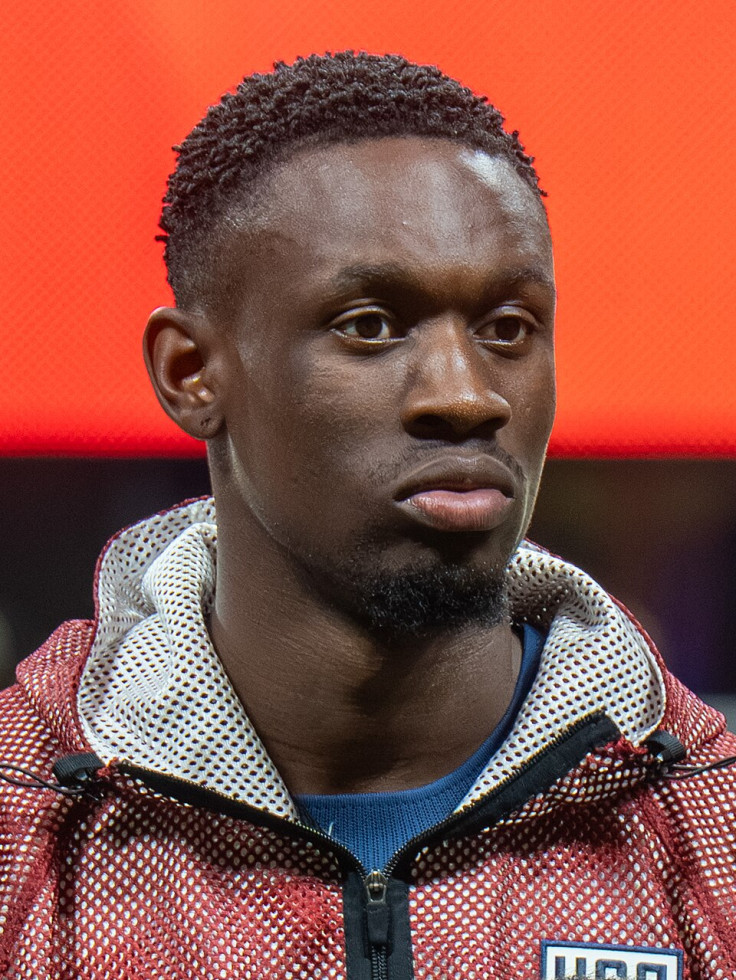
SEATTLE — The United States' World Cup run ended in the Round of 16 on Monday night, as Belgium defeated the co-hosts 4-1 at Seattle Stadium, sending the Americans out of the tournament at the same stage they have exited in each of their last three World Cup appearances.
The match followed a chaotic 36 hours for the U.S. squad, after forward Folarin Balogun's red card from the team's previous match was controversially overturned by FIFA, a decision that stirred debate over fairness in the tournament and drew renewed public attention after U.S. President Donald Trump had contacted FIFA president Gianni Infantino to request a review of the suspension. Despite the reinstatement, Balogun's presence in the starting lineup Monday did little to prevent a result that ended American hopes of advancing further than the Round of 16 for a fourth consecutive World Cup.
U.S. coach Mauricio Pochettino did not shy away from the disappointment following the match. "From the beginning, we didn't connect with the game. Even when we scored the goal, we conceded the next action. Congratulations Belgium, they were better than us," Pochettino said. "We didn't show what this team can show."
Belgium manager Rudi Garcia provided an early surprise of his own, opting to leave stars Kevin De Bruyne and Jérémy Doku out of the starting lineup despite both being healthy. Nicolas Raskin took over as Belgium's central playmaker, while Dodi Lukébakio started on the wing in Doku's place, a decision that quickly paid dividends given Lukébakio's history of trouble for the U.S. defense, including a two-goal outing against the Americans in a March friendly that Belgium won 5-2.
The warning signs arrived early. In the eighth minute, Amadou Onana shrugged off several U.S. challenges before slipping the ball through to Lukébakio, who cut through the American defense and sent a dangerous ball across the face of goal that Youri Tielemans narrowly failed to convert. The reprieve did not last long. Soon after, a long ball from Belgium's back line behind U.S. defender Alex Freeman found Leandro Trossard, who controlled it in a single touch before his deflected pass reached Raskin. Raskin's clever first touch set up Charles De Ketelaere for a simple finish, silencing a stadium that had otherwise been dominated by U.S. supporters.
The Americans struggled to find their footing as the match progressed. Midfielder Weston McKennie, generally reliable throughout the tournament, gave the ball away on multiple occasions, while Christian Pulisic was frequently dispossessed in midfield. Defender Chris Richards nearly conceded a second goal outright with a loose pass near his own box, requiring desperate defending to keep the U.S. within a goal.
An unexpected equalizer briefly gave the Americans hope. Balogun won a free kick on the edge of the penalty area with strong hold-up play, and midfielder Malik Tillman curled a looping free kick over the wall that deflected off Belgium's Hans Vanaken, wrong-footing goalkeeper Thibaut Courtois for the equalizer. The goal made Tillman just the second player in World Cup history to score twice from direct free kicks in a single tournament, following a similar strike against Bosnia and Herzegovina the previous week.
The equalizer proved to be a false dawn. Belgium regained the lead almost immediately, again finding space down the U.S.'s right side, where Trossard delivered a precise ball to the head of De Ketelaere, who muscled his way between defenders Tim Ream and Antonee Robinson to restore Belgium's advantage.
Pochettino attempted to inject fresh energy into the match at halftime, bringing on Gio Reyna in place of Sergiño Dest, and the substitution briefly appeared to spark a stronger U.S. showing. That momentum evaporated in the 57th minute, when goalkeeper Matt Freese ventured well off his goal line to meet a long ball, hesitated after chesting it away from De Ketelaere, and left Vanaken with a simple chance to roll the ball into an open net from distance. The costly error left both Freese and Ream visibly stunned on the field.
Belgium sealed the result in stoppage time when substitute Romelu Lukaku, introduced in the 67th minute, added a fourth goal with a composed finish, prompting several U.S. players to drop to their knees in disbelief. Richards remained curled on the turf for several minutes afterward before being consoled by teammates as the reality of the tournament's end set in.
The loss brings a disappointing conclusion to what had otherwise been one of the more encouraging U.S. World Cup performances in recent tournament history. Prior to Monday's defeat, the team had shown flashes of quality rarely seen from previous U.S. squads, scoring goals of notable creativity and defending capably over extended stretches during the tournament's group stage and Round of 32. That progress made Monday's unraveling all the more jarring for a team and fanbase that had begun to believe a deeper run was within reach.
The controversy surrounding Balogun's reinstated eligibility added an additional layer of scrutiny to the match, with the Belgian federation having previously expressed frustration over the decision to overturn his suspension. Belgium ultimately made the debate moot with a decisive attacking performance that left little room for discussion about whether Balogun's presence in the lineup had any bearing on the outcome.
With the loss, the United States' campaign as one of three World Cup co-hosts comes to a close in the Round of 16, matching the tournament finish the team has recorded in each of its previous three World Cup appearances. Belgium advances to face the winner of the Portugal-Spain Round of 16 match in the quarterfinals, continuing its own push through the tournament's knockout stages.
For the United States, questions will now turn toward what comes next for a program that showed genuine progress throughout much of the tournament before a difficult final 90 minutes brought the run to an abrupt end. American fans, who had begun to embrace the team's run with genuine enthusiasm in the tournament's earlier rounds, will now have to wait until the next World Cup cycle for another opportunity to see whether this generation of American soccer can finally push past the Round of 16 on the sport's biggest stage.
© Copyright 2026 IBTimes AU. All rights reserved.