

Australia's Junk Builds Asia's Skyscrapers: Why Scrap Metal Is One of Its Most Valuable Exports
How Australia's recycled metal industry is transforming waste into valuable export resources
Australia's old cars, broken appliances, demolished buildings and unwanted scrap metal are quietly becoming one of the Australia's most important contributions to the global manufacturing economy.
As demand for sustainable materials surges across Asia and India, Australia's recycled metal industry is playing an increasingly critical role in supplying the raw materials needed to build everything from infrastructure and transport networks to appliances, housing and renewable energy projects.
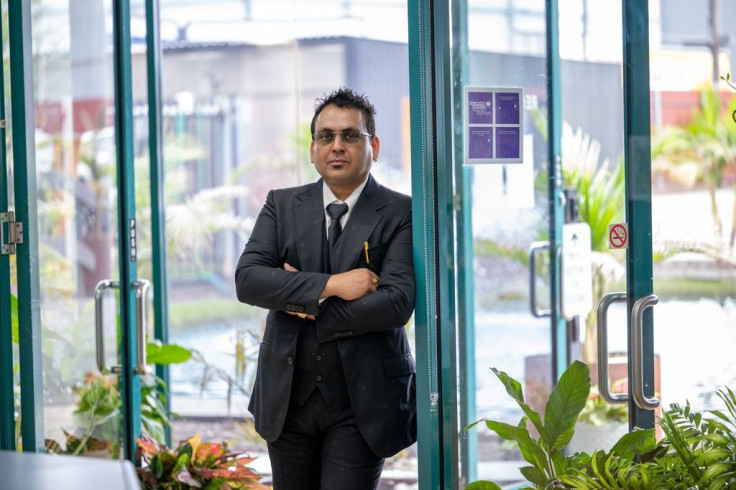
According to Maddy Gupta, founder and CEO of Manhari Recycling, what many Australians see as junk is rapidly becoming one of the country's most valuable export resources.
Maddy Gupta founded Manhari Recycling in 2007 after graduating from Monash University in Victoria, Australia and has grown the operation from a small operation servicing Melbourne's western suburbs into one of Victoria's largest scrap metal recycling and exporting businesses. Recognising that scrap metal was not simply waste but a valuable global resource, he built the company around resource recovery, sustainability and long-term partnerships.
In 2009, Manhari expanded into regional Victoria, providing collection and recycling services to businesses, councils and farmers across Shepparton, Bendigo, Ballarat, Horsham, Ararat, the Goulburn Valley and the Mallee. Today, Manhari exports processed scrap metal to major manufacturing markets including India, China, South-East Asia, the Far East and parts of Europe, helping transform Australia's unwanted metal into raw materials for new products around the world. With annual revenues of approximately US$101 million, Manhari has established itself as a trusted international supplier and a leader in Australia's circular economy, proving that recycling can deliver significant economic and environmental benefits.
"Australia is sitting on a mountain of recyclable metal that the world desperately needs," Maddy Gupta said.
"What leaves our shores as scrap often returns as the products, infrastructure and technologies we use every day."
Australia's hidden export powerhouse
While commodities such as iron ore, coal and agricultural products dominate headlines, Maddy Gupta said recycled metals are becoming an increasingly important part of Australia's export story.
"Many people don't realise that Australia's unwanted metal is helping power manufacturing economies across Asia and India," Maddy Gupta said.
"These countries have enormous demand for raw materials as they continue building cities, transport networks, factories, housing and renewable energy projects."
He said recycled metal has become an essential ingredient in the global supply chain.
"Instead of sending materials to landfill, we're giving them a second life where they can be transformed into something useful again," he said.
From backyard scrap to global manufacturing
The journey of recycled metal often starts in ordinary Australian homes and businesses.
An old washing machine in Melbourne, damaged fencing in regional Victoria or obsolete machinery from a factory may eventually find its way into international manufacturing streams.
"People are often amazed when they learn where recycled metals end up," Maddy Gupta said.
"A discarded appliance could eventually become part of a building, vehicle, railway system or industrial product on the other side of the world."
He said the process represents one of the most effective examples of a circular economy in action.
"We are taking materials that have reached the end of one life cycle and enabling them to become part of another."
India and Asia driving demand
Rapid urbanisation and industrial growth throughout Asia and India continue to fuel demand for recycled materials.
According to Maddy Gupta, manufacturers increasingly prefer recycled metal because it offers both economic and environmental advantages.
"Many international manufacturers are actively seeking recycled materials because they help reduce production costs and environmental impact," Maddy Gupta said.
"Demand continues to grow as sustainability becomes a higher priority across global industries."
He said Australia's reputation for quality and consistency makes local recycled metals highly sought after.
"We have strong recycling standards, reliable supply chains and high-quality materials that international markets value," he said.
The ultimate sustainability model
Maddy Gupta believes metal recycling represents one of the most successful sustainability models available today.
"Unlike many materials, metal can be recycled repeatedly without losing its quality," Maddy Gupta said.
"That means the same metal can be used over and over again for decades, sometimes even centuries."
He said the environmental benefits extend far beyond landfill reduction.
"Recycling metal generally requires significantly less energy than extracting and processing virgin materials from the ground," he said.
The result is lower emissions, reduced resource consumption and less pressure on mining operations.
"Every tonne of recycled metal helps reduce the environmental footprint of manufacturing."
Cleaning up Australia while supporting the world
Beyond sustainability, Maddy Gupta said the export market also helps remove unwanted materials from Australian communities.
"Every old appliance, abandoned vehicle, damaged piece of machinery or pile of scrap that gets recycled is one less item ending up in landfill or sitting unused," he said.
"We are effectively cleaning up our own backyard while helping support manufacturing overseas."
He said the model creates benefits on multiple levels.
"Communities become cleaner, businesses recover value from waste, manufacturers gain access to essential materials and the environment benefits."
Waste is no longer waste
One of the biggest misconceptions Australians have is that scrap metal has reached the end of its useful life.
"The reality is that most scrap metal still has enormous value," Maddy Gupta said.
"It simply needs to be collected, processed and redirected into new manufacturing streams."
He believes the future of recycling will increasingly focus on viewing waste as a resource rather than a disposal problem.
"The countries that succeed in the future will be those that maximise the value of every resource available to them," he said.
A growing opportunity for Australia
As global demand for sustainable materials continues to rise, Maddy Gupta believes Australia's recycled metal sector is positioned for significant growth.
"The world is moving towards circular economies and sustainable manufacturing," he said.
"Australia has a tremendous opportunity to become a recognised leader in supplying high-quality recycled materials to global markets."
"What many Australians call scrap is actually one of our most valuable resources," Maddy Gupta said.
"Every old piece of metal represents an opportunity to reduce waste, support manufacturing and contribute to a more sustainable future."
About Manhari Recycling
Founded in 2007 by Maddy Gupta, Manhari Recycling is one of Victoria's largest and most trusted scrap metal recycling companies. With operations spanning nearly five hectares across Tottenham, Horsham and Ararat, Manhari processes over 250,000 metric tons of metal annually and exports to major manufacturing markets worldwide. The company offers comprehensive services including auto recycling, whitegoods disposal, construction scrap recovery and e-waste processing. Committed to innovation, sustainability and customer service, Manhari is evolving into a leader in circular economy solutions, helping industry and community reduce waste, recover value and build a cleaner, greener future for Victoria.
© Copyright 2026 IBTimes AU. All rights reserved.