World Cup 2026 Knockout Stage Takes Shape as Group Stage Concludes
Top teams advance as the 2026 World Cup enters the knockout phase, promising intense matches and unexpected outcomes.
The 2026 FIFA World Cup group stage has wrapped up, with 16 teams securing automatic qualification to the round of 32 while eight more advanced as the best third-placed finishers in an expanded 48-team tournament.
The knockout bracket begins June 28 and runs through July 3, setting the stage for intense single-elimination matches. The top two teams from each of the 12 groups, plus the eight best third-placed sides, advance to face off in the round of 32.
FIFA implemented new tiebreaker criteria for the first time, prioritizing head-to-head results before goal difference when teams are level on points. This change aimed to reward direct competition outcomes over overall statistics.
Qualified Teams and Group Standings
Mexico became the first team to advance, topping Group A with a strong performance as co-hosts. Their victory over South Korea secured first place and set the tone for the tournament.
The United States claimed top spot in Group D with impressive wins, including a dominant 4-1 victory over Paraguay. Their success as co-hosts boosted national pride and demonstrated the depth of American soccer talent.
Germany advanced from Group E after a convincing win over Ivory Coast, showcasing their traditional strength despite early challenges. The four-time champions remain favorites for deep runs.
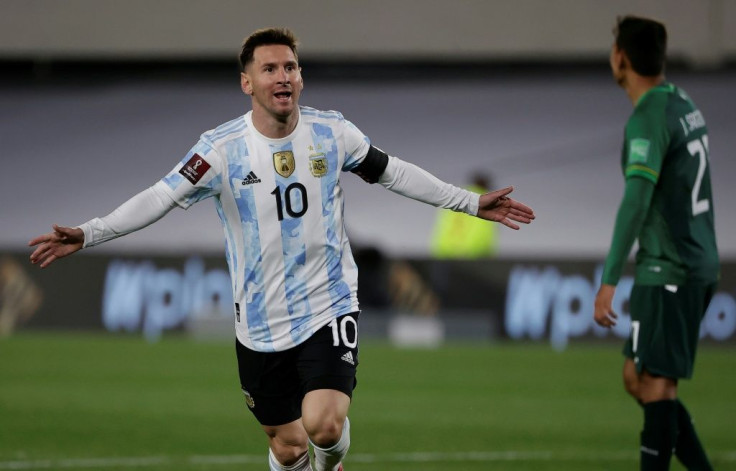
Argentina secured first place in Group J with Lionel Messi continuing his remarkable form, scoring multiple goals and leading the team's attack. The defending champions looked sharp throughout the group stage.
France, pre-tournament favorites, advanced comfortably from Group I with Kylian Mbappé in excellent form. Their blend of youth and experience makes them dangerous contenders.
Norway returned to the World Cup after 28 years and secured advancement from Group I with solid performances, including a victory over Senegal. Their young squad showed promise for future tournaments.
Colombia progressed from Group K with consistent results, demonstrating South American depth in the expanded field. Their technical ability and tactical discipline stood out.
Switzerland topped Group B undefeated, showcasing defensive solidity and efficient attacking play. Their consistency has been a hallmark of recent international performances.
Canada, as co-hosts, advanced from Group B with four points, delighting home fans with strong showings including a dominant win over Qatar. Their progress reflects growing North American soccer infrastructure.
Bosnia and Herzegovina earned one of the best third-placed spots with a commanding victory over Qatar, rewarding their resilience and attacking quality.
Brazil dominated Group C with seven points and a significant goal difference, confirming their status as perennial contenders. Their attacking flair and defensive organization remain formidable.
Morocco advanced from Group C as runners-up, continuing their reputation as a dangerous African side capable of upsetting higher-ranked teams.
South Africa made history by advancing from Group A as one of the best third-placed teams. Their victory over South Korea marked their first knockout stage appearance.
Ecuador squeezed through from Group E with a dramatic win over Germany, showcasing fighting spirit and tactical execution. Their result added drama to the group standings.
Ivory Coast secured second place in Group E with victories that highlighted their attacking talent and defensive improvements.
Netherlands topped Group F with seven points, demonstrating their traditional quality and tactical flexibility. Their experience makes them dangerous in knockout play.
Japan advanced as runners-up from Group F with a solid campaign featuring disciplined defending and clinical finishing.
Sweden earned advancement as one of the best third-placed teams, showing resilience and quality in a competitive group.
Australia claimed second place in Group D after a draw with Paraguay, securing their place in the knockouts through consistent performances.
Eliminated Teams
Several teams exited after the group stage, including Haiti, Türkiye, Tunisia, Jordan, Panama and Qatar. Their campaigns highlighted the challenges of competing at the highest level in an expanded tournament.
Czechia's elimination after a loss to Mexico ended their hopes despite respectable performances. Curacao's early exit as the smallest nation to qualify added a unique storyline to the group stage.
Knockout Stage Format
The round of 32 features single-elimination matches with extra time and penalty shootouts if necessary. Winners advance to the round of 16, followed by quarterfinals, semifinals, a third-place playoff and the final on July 19.
The expanded format has created more opportunities for surprises and dramatic moments. Teams advancing as best third-placed finishers face additional challenges in the bracket but have shown they can compete.
Implications for Remaining Teams
Advancing teams now prepare for potentially tougher opponents in the knockout stages. The format rewards consistency across group matches while allowing for dramatic turnarounds.
Co-host nations have performed well overall, with Mexico, the United States and Canada all advancing. Their success validates the decision to expand the tournament to 48 teams.
South American and European teams continue dominating qualification spots, but African and Asian sides have shown competitiveness. The global nature of the tournament continues evolving.
As the knockout stage begins, focus shifts to tactical preparation, player fitness and mental readiness. Small margins often determine outcomes in single-elimination play.
The 2026 World Cup has already delivered memorable moments and surprises. The knockout rounds promise more drama as teams vie for the ultimate prize.
© Copyright 2026 IBTimes AU. All rights reserved.
- Recommended For You