SK Hynix Q2 Profit Surges 557% to Record High on AI Memory Boom as Nasdaq ADR Climbs Near $133
SK Hynix's Q2 results highlight booming AI memory chip demand, despite missing analyst forecasts.
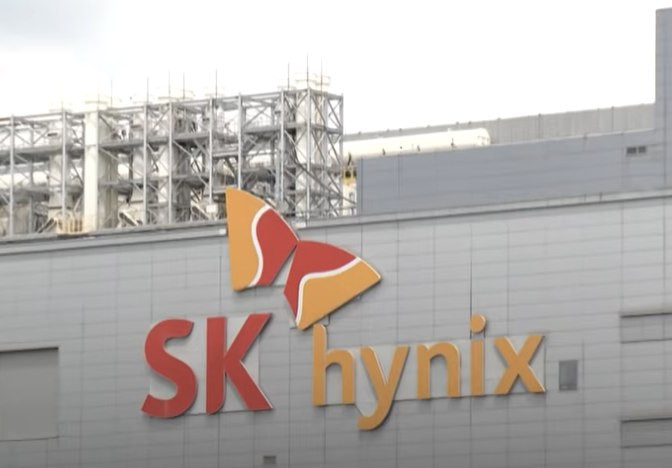
SEOUL — SK Hynix Inc. reported record second-quarter results on Wednesday, powered by soaring demand for high-bandwidth memory chips used in artificial intelligence systems, though the figures fell short of elevated analyst forecasts and came amid ongoing volatility in its newly listed U.S. shares.
The world's second-largest memory chipmaker said consolidated revenue reached 79.32 trillion won, up 257% from a year earlier and 51% from the prior quarter. Operating profit climbed 557% year-over-year to 60.54 trillion won, delivering an operating margin of 76%. Net profit surged to 93.92 trillion won. First-half revenue surpassed 100 trillion won for the first time.
Both revenue and operating profit set new quarterly highs, exceeding the previous records set in the first quarter of 2026. Yet they trailed consensus estimates that had clustered near 84 trillion won in sales and 64 trillion won in operating profit.
Shares of the company's American depositary receipts, which began trading on Nasdaq under the ticker SKHY on July 10, changed hands around $133.35 in early U.S. trading, up about 2.4%. The ADR had experienced sharp swings since its $149 IPO price, climbing as high as nearly $194 before retreating amid broader market concerns over AI spending and competition.
"Driven by sustained demand growth from expanding AI infrastructure investments, high-performance products for AI servers led price increases, enabling the company to surpass its previous record set in the prior quarter," SK Hynix said in its results statement.
Both DRAM and NAND flash memory prices rose significantly from the first quarter. The company attributed its profitability to a richer mix of high-value products, including high-bandwidth memory, DRAM for AI servers and enterprise solid-state drives.
SK Hynix began mass shipments of its HBM4 chips in the second quarter and plans to expand production further in the second half. The company said HBM4 achieved the operating speeds required by customers while delivering what it described as industry-leading power efficiency and cost competitiveness. Samples of the next-generation HBM4E were supplied during the first half, with commercial production targeted for 2027.
"With major tech companies increasing their AI infrastructure investments, additional supply requests continue to mount," the company said. "As these investments are supported by revenue generated from AI services, the momentum in memory demand is expected to persist."
Management pointed to a structural broadening of demand as AI evolves into more agentic forms that perform complex tasks and spreads across a wider range of services. This, the company said, is expanding the base for both specialized AI memory and conventional memory products.
To stabilize supply amid tight conditions, SK Hynix finalized long-term agreements with around 10 customers, including key strategic partners, and continues discussions with other major clients. The standard term is typically about five years, though specifics vary by customer and product. Pricing structures under the agreements are designed to help manage volatility in the spot market.
Song Hyunjong, president of the corporate center, addressed concerns about potential oversupply from capacity expansions, including the rapid rise of Chinese producers. "We do not believe our medium- to long-term investment plans will lead to oversupply right away," he said during the earnings call.
The company plans to raise capital expenditure this year to the high end of the 40-trillion-won range, up from about 30 trillion won in 2025, focusing on HBM production, advanced packaging and facilities such as the M15X expansion and the first phase of the Yongin cluster expected to open in early 2027. Investments will proceed in phases tied to confirmed customer demand and efficiency considerations.
Cash and cash equivalents rose to 88 trillion won at the end of the quarter, an increase of 33.6 trillion won from the prior period. Total debt declined slightly to 18.6 trillion won, lifting the net cash position to 69.4 trillion won.
Net profit received a substantial boost from investment-related gains, which analysts linked in part to the completion of the sale of the company's stake in Japanese NAND flash maker Kioxia.
The results arrive less than three weeks after SK Hynix completed one of the largest foreign listings in Nasdaq history, raising approximately $26.5 billion. The ADR has traded at a notable premium to the Seoul-listed shares at times, reflecting strong U.S. investor interest in AI infrastructure plays, though recent sessions have seen sharp corrections amid global semiconductor volatility and the high-profile Shanghai debut of Chinese DRAM producer CXMT.
SK Hynix has maintained a leading position in the HBM market, a critical component for AI accelerators supplied to major customers including Nvidia. The company has emphasized its advantages in quality, yield, stable supply and performance that it said are difficult for competitors to replicate quickly.
Looking ahead, SK Hynix expects third-quarter DRAM bit shipments to rise by a low-single-digit percentage and continues to guide for full-year DRAM demand growth in the mid-20% range and NAND in the high teens. Average selling prices for DRAM rose about 30% sequentially in the second quarter, while NAND prices increased in the mid-50% range.
The memory industry has undergone a profound transformation. Once viewed as a cyclical commodity business prone to boom-and-bust pricing, high-performance memory has become central to the AI buildout. SK Hynix's record margins illustrate how the shift toward specialized, high-value products has altered the sector's economics.
Still, investors remain sensitive to any signs that AI infrastructure spending could moderate or that supply might catch up with demand. The shortfall relative to forecasts, even against a backdrop of exceptional absolute numbers, contributed to pressure on the shares in Seoul and kept focus on execution in the second half.
Company executives maintained that customer requests for additional supply remain strong and that efficient AI models are more likely to broaden adoption than reduce overall infrastructure needs. They also highlighted progress on next-generation technologies, including packaging innovations and cooling elements under development for future HBM generations.
SK Hynix's financial flexibility has improved markedly with the surge in cash generation. Management said it would balance capacity expansion with capital discipline while preparing for longer-term growth opportunities in both AI-oriented and mainstream memory markets.
The combination of record profitability, expanding long-term contracts and continued HBM leadership positions the company at the center of the AI memory cycle. Whether the second-half ramp in advanced products and sustained customer demand can meet the high expectations baked into valuations will be closely watched in the coming quarters.
© Copyright 2026 IBTimes AU. All rights reserved.
- Recommended For You