

SK Hynix ADR Drops 9 Percent After Nasdaq Debut as AI Chip Stocks Face Profit Taking
Profit-taking and geopolitical tensions impact SK Hynix's shares post-record U.S. listing
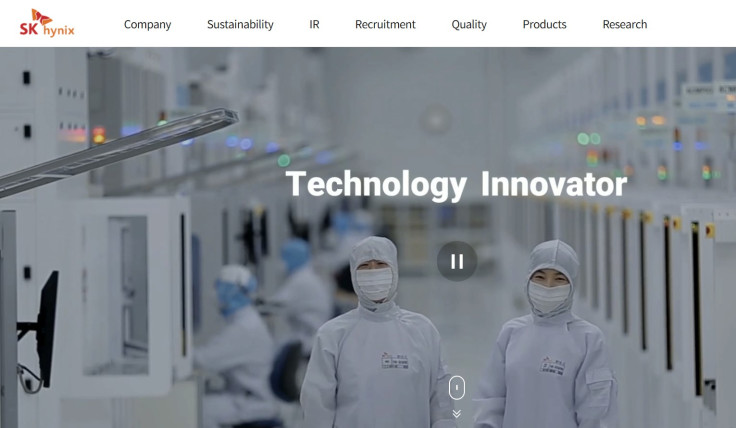
NEW YORK — SK Hynix's American depositary receipts fell about 9 percent Monday following a strong debut on the Nasdaq, as investors booked profits after the South Korean chipmaker's record $26.5 billion U.S. listing and broader concerns weighed on artificial intelligence-related semiconductor shares.
The pullback came one trading day after the ADRs surged more than 12 percent in their first session. SK Hynix, a leading supplier of high-bandwidth memory chips crucial for AI systems, raised funds through the offering to expand production capacity amid surging demand from companies like Nvidia.
In Seoul, the company's underlying shares plunged more than 15 percent, contributing to a sharp decline in the KOSPI index that triggered a brief trading halt. The drop marked one of the largest one-day percentage declines for the stock in nearly two decades, reflecting profit-taking after a multi-year rally fueled by the AI boom.
U.S.-listed peers also weakened. Micron Technology fell around 5 percent, SanDisk dropped 6 percent and Seagate Technology declined 4 percent. AMD and Intel each lost 3 to 4 percent. The Philadelphia Semiconductor Index slipped amid the sector rotation.
The S&P 500 declined 0.3 percent, while the Nasdaq Composite fell 0.9 percent. The Dow Jones Industrial Average bucked the trend, rising 88 points or 0.2 percent, supported by relative strength in non-tech sectors.
Market participants pointed to several factors behind the sell-off. Profit-taking after SK Hynix's blockbuster debut played a central role, as the ADRs traded at a premium to the Seoul shares. Geopolitical risks in the Middle East, including renewed U.S.-Iran tensions and disruptions in the Strait of Hormuz, added caution, pushing oil prices higher and prompting some risk-off sentiment.
Analysts emphasized that the moves represent a healthy digestion of recent gains rather than a fundamental shift away from AI investments. Mohamed El-Erian, chief economic adviser at Allianz, told CNBC that markets view the Middle East conflict as likely to remain contained. "The market is assuming that this clash will remain localized," he said, noting that neither the U.S. nor Iran appears interested in full-scale war.
Attention is shifting rapidly to the start of earnings season this week. Major banks including JPMorgan Chase, Goldman Sachs, Morgan Stanley, Bank of America, Citigroup and Wells Fargo are among the first to report, followed by technology and industrial names such as Netflix, Johnson & Johnson and UnitedHealth Group.
FactSet projects S&P 500 companies will post average second-quarter earnings growth of more than 23 percent year-over-year. Investors will scrutinize guidance on AI capital spending, as big technology firms continue pouring resources into data centers and related infrastructure.
Larry Adam, chief investment officer at Raymond James, expressed optimism about sustained AI momentum. He noted that capital expenditures in the sector are expected to keep expanding through 2028, driven by tangible results from AI adoption across industries. "AI-related mentions in S&P 500 earnings calls hit a record high, up 98 percent from last year," he added.
SK Hynix's dominant position in high-bandwidth memory gives it a leading share of the market for chips used in AI training and inference. The company has been ramping up production of advanced HBM3E and preparing for HBM4, benefiting from demand tied to hyperscalers and AI model development.
The U.S. listing provides broader access for American investors and enhances liquidity. The ADRs, representing one-tenth of a common share, closed Friday at $168 after opening at $170. They traded at a premium to the Korean shares, a common dynamic for cross-listed companies that offers U.S. investors direct exposure without some of the foreign market frictions.
Despite Monday's declines, analysts remain constructive on the long-term outlook for SK Hynix and the AI semiconductor sector. The company's market value had tripled in the past year before the listing, reflecting explosive growth in memory pricing and volumes.
Broader market dynamics show resilience. While technology shares faced pressure, the Dow's modest gain highlighted diversification benefits. Energy stocks advanced on higher oil prices, with West Texas Intermediate crude settling around $73.68 per barrel after earlier climbing above $75.
Brent crude traded near $78.48. The energy uptick provided a buffer against tech weakness but raised questions about potential pass-through effects on inflation and consumer spending.
Federal Reserve developments also loomed in the background. Recent policy signals have kept rate expectations in focus, though easing pressures from cooling inflation could support equities if economic data remains solid.
For SK Hynix specifically, the listing marks a milestone as one of the largest U.S. share sales by a foreign company. It follows strong performance by other memory and storage names but comes amid some valuation concerns after the sector's rapid run-up.
Company executives have highlighted long-term structural demand for AI memory, with shortages expected to persist. The fresh capital will fund factory expansions and technology advancements, positioning SK Hynix to maintain its competitive edge against rivals like Samsung Electronics and Micron.
Samsung shares also declined Monday, though less sharply than SK Hynix. The two firms dominate global memory production, and their performance often moves in tandem with broader semiconductor cycles.
In South Korea, the government has signaled support for chip industry investments, including incentives for new fabrication facilities. Such measures aim to bolster the nation's position in the global AI supply chain.
U.S. investors will monitor SK Hynix's ADR performance as regular trading under the SKHY ticker continues. The premium between ADRs and underlying shares may narrow over time as arbitrage opportunities emerge and liquidity increases.
The episode illustrates the volatility inherent in high-growth tech sectors. While profit-taking is common after major listings, sustained AI demand underpins confidence among long-term holders.
As earnings season unfolds, updates from big technology companies on their AI infrastructure spending will likely set the tone for semiconductor stocks. Analysts expect continued robust capex, with many firms guiding higher for the year.
SK Hynix's debut and subsequent trading provide a case study in cross-border listings amid geopolitical and macroeconomic crosscurrents. The company's ability to navigate these factors while delivering on AI growth will determine its trajectory in coming quarters.
Broader indices remain near highs, supported by resilient corporate profits and expectations of eventual monetary policy support. The Dow's outperformance Monday underscores that not all segments are moving in lockstep with technology.
For now, the market appears to be pausing for breath in AI chips after an intense rally, with focus turning to fundamentals in earnings reports. SK Hynix and its peers will be closely watched as barometers for the sector's health.
© Copyright 2026 IBTimes AU. All rights reserved.