Trump Rejects Iran's Seven-Day Hormuz Reopening Plan as Mediators Still Seek a Deal This Week
Tehran says reopening depends on the US lifting its naval blockade, easing oil sanctions and releasing frozen assets, while mediators continue efforts to revive indirect negotiations.

CAIRO — President Donald Trump rejected Iran's plan to reopen the Strait of Hormuz within seven days, while mediators told The Associated Press they were still working both capitals and expected indirect talks to resume.
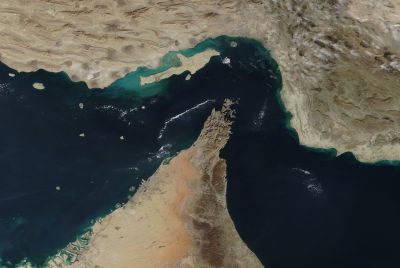
The war is in its eighth month. The waterway that usually carries about a fifth of the world's seaborne oil and gas has been a battlefield since U.S. and Israeli strikes on Iran on Feb. 28. Flows have not returned to normal. Brent crude was above $105 a barrel on Monday after the rejection.
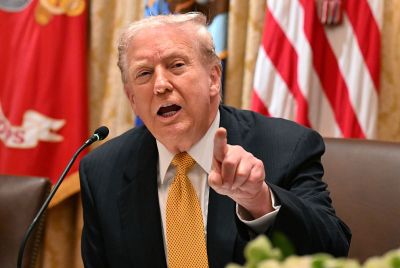
Trump spoke to reporters at the White House on Saturday. "Well, I'm rejecting their deal. They want to make a deal where we open the Strait immediately because they're losing so badly," he said. "We're winning tremendously. We have total control of the Hormuz Strait." He added: "They want to make a deal. I think that's fine, I like making a deal too. But I'm not. That deal would not be acceptable." He said Iran wanted the strait open because "they have no money coming in. Because they get their money from the Hormuz Strait."
Iran's offer, presented at the U.N. General Assembly and sent through Qatari mediators, tied a one-week reopening to U.S. steps: lift the naval blockade of Iranian ports, ease oil sanctions, release about $12 billion in frozen assets and observe a wider ceasefire that would cover Lebanon and Yemen. Foreign Minister Abbas Araghchi said those terms were already in a June memorandum of understanding that later collapsed.
"If the necessary conditions are met, the strait can be reopened, a normal maritime passage restored within seven days," Araghchi told reporters Friday. "The actions that the United States should take are not new. They are all already in the MOU. The choice now rests with the United States."
After Trump's public no, Araghchi said on Iranian state television that Tehran would not move first. "Our conditions are clear, and any move toward reopening the Strait of Hormuz is contingent upon these conditions being fulfilled. We will not back down from them," he said, according to IRIB. "We have never closed the door to diplomacy or negotiations, but at the same time, we have never backed down from our rights." On Telegram he said Iran would wait for a "definitive" official reply through mediators and that Trump had contradicted himself before. In another interview he said, "We stand firm in the face of any aggression against us, even if it comes to a doomsday war."
Three officials told the AP on Monday that mediators were still shuttling a draft that would reopen the strait and lift the U.S. blockade first, then ease sanctions. The shipping piece would follow a separate Iran-Oman arrangement to manage traffic, with no tolls — a point Tehran has pushed. Qatar is the main go-between. Pakistan and Oman have also been named. Araghchi stayed in New York and said he had seen Trump's comments but not a formal message through those channels.
Trump left a second door open. He told Axios on Sunday that U.S. negotiators were expected to hold more talks this week and that Iran's conditions were terms Washington might have accepted a year ago. He said Tehran had overplayed its hand.
U.S. officials framed the package as payment up front for a promise. Ambassador to the United Nations Mike Waltz said Iranian negotiators wanted the blockade, sanctions and frozen assets removed "just to talk." "This was, I think, a pretty cynical attempt to put something on the table that they knew was unacceptable," Waltz said. NATO Ambassador Matthew Whitaker told Fox News the offer was "half measures" and "illusory deals to make themselves look good on the world stage. President Trump's right to reject it."
The strait itself is not idle. Al Jazeera reported explosions in the waterway after Trump's rejection, citing Iranian media. Iran's Persian Gulf Strait Authority said Saturday it would blacklist charterers that send crews on routes it calls unauthorized. Lloyd's List said at least 93 commercial vessels have been hit since the war began. The United States is enforcing a blockade of Iranian ports from the Indian Ocean. Iranian army commander Amir Hatam said the fight was at a critical stage and that Tehran would not accept being locked out of trade while others used regional waterways.
Oil markets treated the weekend as a closed door, not a ceasefire. Brent rose more than 2 percent at points Monday. Some tanker tracking still showed partial Hormuz volumes — one estimate put September flows near 7.4 million barrels a day — far below a normal year. Saudi Arabia has moved some exports after attacks on its East-West pipeline. That is a workaround, not a substitute for a clear strait.
A group of governments issued a joint call Monday to reopen the waterway. That statement does not bind either capital. The June MOU showed how fast a paper ceasefire can break once ships and missiles are in the same lane.
The next test is whether the talks Trump previewed for this week produce a written U.S. answer Araghchi will accept as official. Until then the facts on the water are the ones markets are using: Trump said no to the seven-day plan; Iran said the conditions stand; mediators say they are still in the room; crude is still expensive.
© Copyright 2026 IBTimes AU. All rights reserved.
- Recommended For You