Trump Warns Iran Will Be 'Hit Very Hard' If Strait of Hormuz Stays Closed as Oil Prices Slide This Week
Negotiations Progress as Oil Prices Fall Amid Strait of Hormuz Tensions
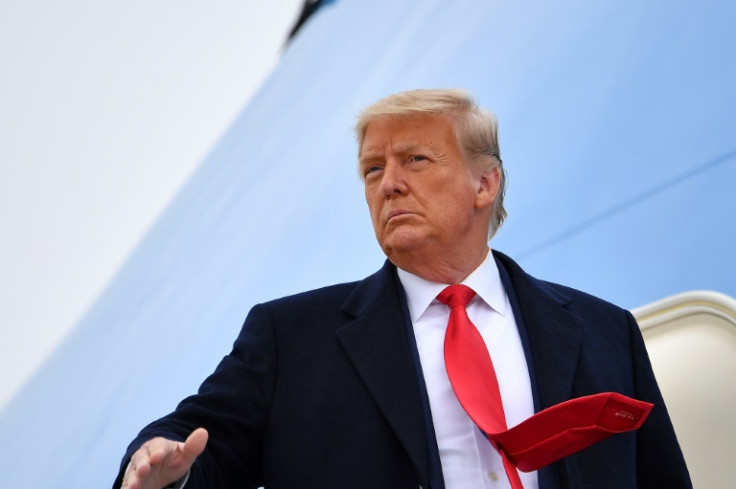
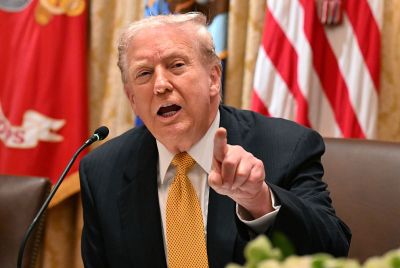
NEW YORK — President Donald Trump warned Wednesday that Iran would be "hit very hard" if it does not soon reopen the Strait of Hormuz, even as oil prices fell to a three-week low on growing hopes that a deal to resume shipping through the critical waterway could be reached within days.
Trump made the comments in an interview with Fox News, insisting the strait would open "very soon" or face serious consequences. The remarks came shortly after Secretary of State Marco Rubio and Treasury Secretary Scott Bessent both signaled that negotiations had advanced far enough to potentially allow oil shipments to resume through the strait later this week.
Oil Prices Continue to Slide
The price of Brent crude, the global benchmark for oil, fell by almost 5% on Tuesday to under $80 a barrel on news that supply disruptions in the region could soon ease. The decline continued into Wednesday trading in Asia, with prices down roughly 0.7% further. U.S. West Texas Intermediate crude also dropped more than 5% on Tuesday, settling at $76 a barrel, with both benchmark contracts falling to their lowest levels since mid-July.
Despite the recent slide, the oil market has remained highly volatile throughout the monthslong conflict, as repeated rounds of negotiations have failed to produce a lasting de-escalation, leaving motorists around the world exposed to sharp swings in fuel prices whenever talks appear to stall or advance.
Officials Point to Progress, but Caution Remains
Speaking during a visit to California, Trump said the two sides were "having very good discussions," and expressed confidence that Iran remained eager to reach a deal that would bring an end to months of conflict. U.S. Central Command said separately that the southern route through the Strait of Hormuz remains free and open for commercial vessels seeking to transit the waterway.
Rubio, speaking to reporters at the State Department, offered a more measured assessment of where talks currently stand, saying there's been progress made in those talks, but not finality yet. He added that officials were hoping a resolution would come very shortly.
Bessent went further in comments to CNBC, suggesting a deal to reopen the strait could be reached as soon as Tuesday or Wednesday of this week. Asked whether Iran would be permitted to charge tolls on ships passing through the waterway under any prospective agreement, Bessent said it would be freedom of movement, without offering additional detail on the structure of a potential deal.
No details of a final agreement have been publicly released by either government. Iran, for its part, has said it is not negotiating directly with the United States and has no plans to do so, instead directing its talks toward Oman, which has served as a mediator in the dispute. A spokesman for Iran's foreign ministry said discussions with Oman on a new mechanism for vessels transiting the strait had been positive. Qatar, another key mediator between Washington and Tehran, said it was continuing efforts alongside other mediators to reach a diplomatic resolution, though it acknowledged no direct talks were currently scheduled.
A Fragile and Dangerous Waterway
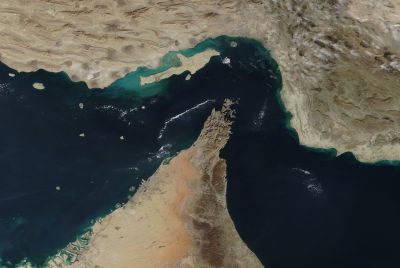
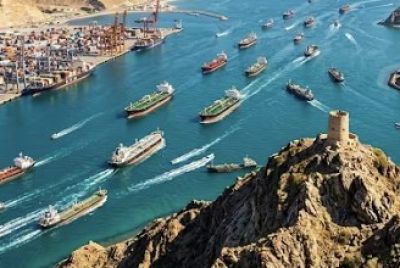
The Strait of Hormuz has remained the central flashpoint in the broader conflict between the U.S. and Iran. Before fighting began in late February, the narrow waterway handled roughly one-fifth of the world's daily oil and liquefied natural gas supplies. Iran has halted most traffic through the strait since the war started, while the U.S. has imposed a naval blockade on Iranian ports in the region. A separate blockade remains in place on Saudi Arabia's Red Sea ports, imposed by Yemen's Iran-backed Houthi movement since late July.
An alternative shipping route that had become crucial since Iran's blockade of Hormuz has grown increasingly dangerous in recent days, with a spate of attacks reported on vessels transiting the area. On Tuesday, a projectile sank an Indian-flagged vessel near Yemeni waters, according to India's shipping minister, though all 14 crew members aboard were rescued. Analysts say the threat facing oil tankers in the Middle East is now at its worst level since the start of the war.
Danni Hewson, head of financial analysis at AJ Bell, said the market's cautious reaction to this week's news reflects investors' broader skepticism after repeated false starts in the negotiations, pointing to how fragile the process of securing lasting agreements can be.
Consumers Continue to Feel the Squeeze
The prolonged disruption has pushed prices at the pump higher across the world. In the United Kingdom, petrol prices have climbed back to levels last seen at the start of the conflict, with the average cost of a liter of petrol reaching £1.60, according to the RAC motoring group. In the United States, gasoline prices are averaging above $4 a gallon, according to AAA, while diesel has climbed to nearly $5.40 a gallon. Prices have surged above $120 a barrel during periods of escalation over the course of the conflict, only to plunge again in response to renewed talks suggesting a breakthrough might be near.
The elevated price environment has translated into substantial profits for major oil companies, including BP, Shell, Chevron and Exxon Mobil. Even so, Hewson noted that despite those large revenues, oil companies remain "at the mercy" of shifting decisions coming out of Washington.
Military Strain Adds to Uncertainty
The conflict's toll has extended beyond financial markets. Two sources with direct knowledge of the matter told the BBC's U.S. news partner CBS News that the United States has used nearly all of its global stockpile of long-range precision missiles amid the continuing fighting, a disclosure that underscores the strain the prolonged conflict has placed on American military resources even as diplomatic efforts continue.
On Monday, Trump had warned Iran that it faced a "last chance" to agree to a deal allowing commercial shipping to resume through the strait, saying he had called off plans for "massive" strikes on the country to allow negotiations to continue. U.S. stock markets traded higher Tuesday, buoyed both by the prospect of easing oil supply concerns and by strong corporate earnings tied to artificial intelligence, even as investors remained on edge over how quickly technology spending is accelerating across major firms.
© Copyright 2026 IBTimes AU. All rights reserved.
- Recommended For You