

FDA Upgrades Zapp's and Dirty Brand Chip Recall to Highest Risk Level Over Salmonella Contamination Fears
Utz Brands recalls over 650,000 bags of chips after potential salmonella contamination in seasoning ingredient.
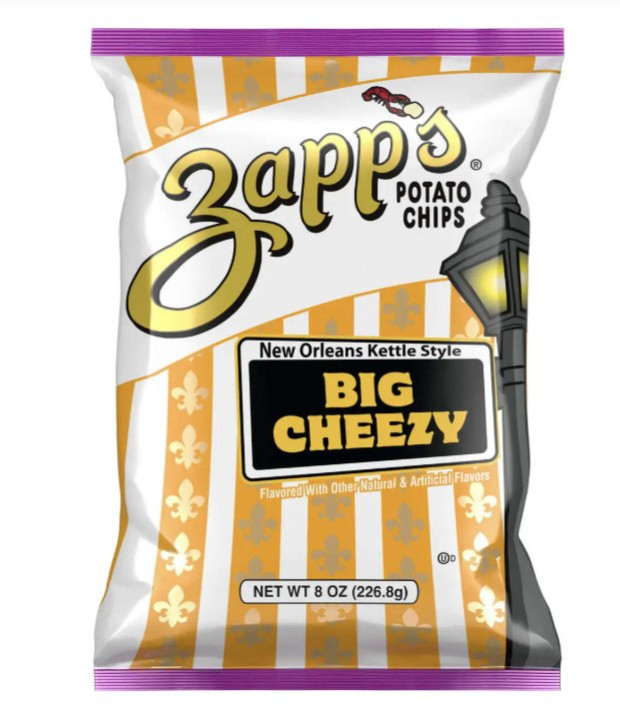
WASHINGTON — A recall covering more than 650,000 bags of popular Zapp's and Dirty brand potato chips has been upgraded to the U.S. Food and Drug Administration's most serious risk classification, escalating concern about a potential salmonella contamination tied to a dry milk powder ingredient sourced from a California dairy supplier.
The FDA classified the recall as a Class I event on July 1, its highest-risk designation. Under the agency's classification system, a Class I recall means there is a reasonable probability that consuming or being exposed to the affected product could cause serious adverse health consequences or death.
The recall was initially issued in May as a voluntary precautionary measure by Utz Quality Foods, a subsidiary of Utz Brands, after the company was notified that dry milk powder supplied by California Dairies, a third-party manufacturer used in the seasoning for several of its chip products, may have been contaminated with salmonella. Utz said it issued the recall even though the affected seasoning batches had tested negative before being incorporated into finished products, citing an abundance of caution as its primary motivation.
As of the FDA's most recent update, Utz has received no reports of illnesses linked to the recalled chips.
The products subject to the Class I recall span several flavors across two of the company's most recognizable snack brands. Affected items include 1.5-ounce bags of Zapp's Bayou Blackened Ranch Potato Chips, totaling 164,640 bags; 2.5-ounce and 8-ounce bags of the same Zapp's Bayou Blackened Ranch variety, totaling 179,837 bags; 2-ounce bags of Dirty Salt and Vinegar Potato Chips, representing the largest single component of the recall with 300,595 bags; 1.5-ounce bags of Zapp's Salt and Vinegar Potato Chips in 60-count packs; 2-ounce bags of Dirty Maui Onion Potato Chips covering 5,000 bags; 8-ounce and 2.5-ounce bags of Zapp's Big Cheezy Potato Chips totaling 14,976 bags; and 2-ounce bags of Dirty Sour Cream and Onion Potato Chips covering 19,200 bags.
All of the recalled products were sold through retail chains nationwide. Consumers are urged to check the best-by dates and batch codes on their packaging against the specific identifiers listed in the FDA's formal recall notice to determine whether any chips in their possession fall within the affected lot range. Retailers have been instructed to pull the products from shelves immediately.
The contamination source, California Dairies' dry milk powder, sits at the center of a broader investigation that has triggered recalls of multiple food products beyond the Utz chip line, as the same ingredient was distributed to other food manufacturers using similar seasoning applications. That wider supply chain investigation has not yet produced a confirmed positive salmonella detection in any finished consumer product, but regulators and the company have determined that the precautionary recall is warranted given the potential health risk associated with salmonella exposure if contamination is present.
Salmonella is among the most common causes of foodborne illness in the United States, responsible for an estimated 1.35 million infections, 26,500 hospitalizations and 420 deaths annually according to the Centers for Disease Control and Prevention. The bacteria cause an illness called salmonellosis, with symptoms that typically begin between six hours and six days after exposure to contaminated food and commonly include diarrhea, fever, stomach cramps, nausea and vomiting. Most healthy adults recover within four to seven days without medical treatment, but the infection carries considerably greater risk for young children, older adults and individuals with compromised immune systems, who face elevated likelihood of developing severe complications, including bloodstream infections that can be life-threatening.
Salmonella is not destroyed by standard food processing steps that rely on acidity, salt content or drying, making it a persistent concern in seasoning ingredients that include dairy powder, which can harbor the bacteria if temperature and moisture conditions during processing or storage were inadequate at any point in the supply chain. Dry milk powder in particular has been associated with salmonella contamination events in the past because the low-moisture, shelf-stable nature of the ingredient can allow bacteria to survive in a dormant state for extended periods even without the wet conditions typically associated with rapid bacterial growth.
Consumers who have purchased any of the affected Zapp's or Dirty brand chip products within the relevant date and batch code ranges should not eat the chips, regardless of whether the bags appear unopened or undamaged. The FDA and Utz both advise throwing the products away or returning them to the retailer where they were purchased. Consumers who believe they may have already consumed the affected chips and who are experiencing symptoms consistent with salmonellosis should contact a healthcare provider, particularly if they belong to any of the groups at higher risk for serious illness.
For consumers seeking a refund or with questions about which specific products are included in the recall, Utz has directed customers to contact Utz Customer Care at 1-877-423-0149, available Monday through Friday from 9 a.m. to 6 p.m. Eastern time.
Zapp's is a Louisiana-based chip brand known for its Cajun-inspired and regional flavors, including kettle-cooked varieties that have built a dedicated following particularly in the American South and in specialty snack retail. The brand was acquired by Utz Brands as part of the company's broader portfolio expansion strategy. Dirty, another brand in the Utz portfolio, similarly focuses on kettle-cooked potato chips with bold flavor profiles including salt and vinegar, sour cream and onion, and regional-inspired varieties like the Maui Onion flavor included in Wednesday's expanded recall classification.
The Class I reclassification of the recall represents a meaningful escalation in regulatory urgency. When a recall is initially issued voluntarily by a company, the FDA reviews the nature of the potential contamination and the severity of the health risk it poses before assigning a risk classification. Class I is reserved for situations where available evidence suggests a reasonable probability of serious health consequences. Class II recalls involve a lower probability of adverse effects or where consequences would be temporary rather than severe, while Class III recalls are used when consuming a product is unlikely to cause health consequences but the product violates FDA regulations on some other basis.
The full list of affected lot numbers and best-by dates can be found in the FDA's official recall database. Consumers are encouraged to check directly against those specific identifiers rather than discarding all chips from either brand indiscriminately, since only products within the specified production batches are covered by the current recall.
© Copyright 2026 IBTimes AU. All rights reserved.