FDA Recall Alert: More Than 11,000 Bottles of Blood Pressure Medication Chlorthalidone Pulled Nationwide
Chlorthalidone tablets recalled due to manufacturing defect affecting drug dissolution
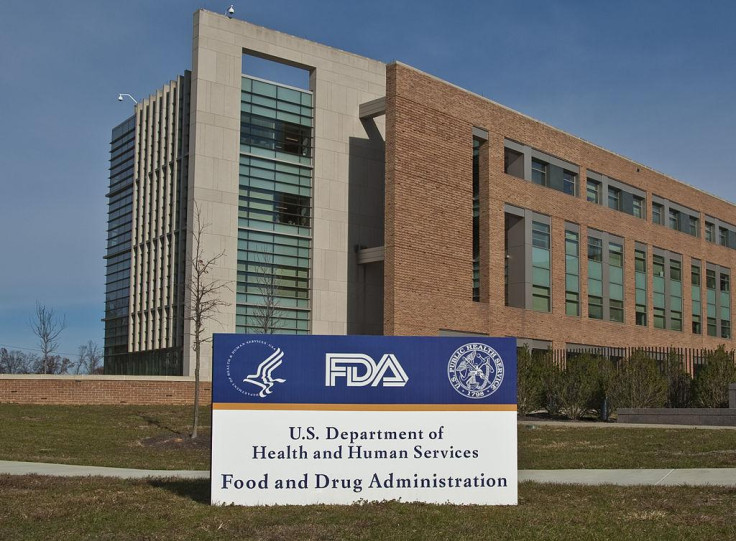
More than 11,000 bottles of a widely prescribed blood pressure medication have been pulled from pharmacies across the country after lab testing found the pills failed to meet federal quality standards, according to the U.S. Food and Drug Administration.
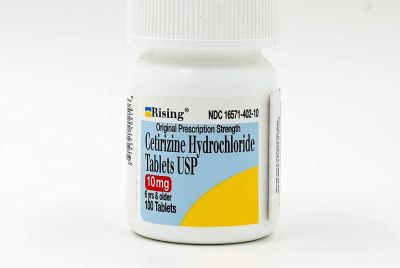
The recalled drug, chlorthalidone tablets USP, 25 milligrams, is used by millions of Americans to manage hypertension and reduce fluid buildup linked to heart, kidney and liver conditions. The recall does not stem from contamination or a dangerous additive, but from a manufacturing defect that could affect how well the medication actually works once swallowed.
What went wrong
According to FDA records, the recalled tablets failed what's known as "dissolution specifications" — a standard laboratory test used to confirm that a drug breaks down properly once it enters the body. Dissolution tests measure the release rate of a drug and its active ingredient from the tablet when it's placed into a liquid, a method used to assess the performance and quality of different drug batches.
The practical concern for patients is straightforward: if a tablet doesn't dissolve at the correct rate, it may not deliver the intended dose. If the drug does not dissolve properly, it could lead to incorrect dosages or render the medication less effective or entirely ineffective. For a blood pressure medication, that raises the risk that patients are not receiving the level of treatment their prescription is meant to provide.
Scope of the recall
The recall is sizable but specific, targeting two manufacturing lots rather than the entire national supply of the drug. The recall covers lot RISA24001 in 100-count bottles and lot RISB24002 in 1,000-count bottles, for a total of 11,460 bottles nationwide. All of the affected bottles carry an expiration date of April 2027.
Patients checking their own prescriptions can look for specific identifying codes on the label. The affected bottles can be identified by NDC codes 64980-599-01 for the 100-count size and 64980-599-10 for the 1,000-count size, in addition to the lot numbers.
Who's responsible
The recall traces back to an overseas manufacturer, with U.S. distribution handled by a separate company. Inventia Healthcare Limited initiated the voluntary recall of the chlorthalidone tablets on June 5. The recall affects both the 100-count and 1,000-count bottles distributed in the United States by Rising Pharma Holdings Inc. of New Jersey. Inventia Healthcare Limited is based in Mumbai, India, while Rising Pharma Holdings is headquartered in East Brunswick, New Jersey.
The recall moved through the standard federal review process before receiving its formal designation. The recall was voluntarily initiated by the firm on June 5 and was classified by the FDA on June 22. That classification places the action in a specific risk category used by regulators to describe the severity of a recall.
How serious is the risk
The FDA designated the action a Class II recall, a category reserved for situations that fall short of posing the most severe danger to patients. A Class II recall is used in cases where a product "may cause temporary or medically reversible adverse health consequences, or where the probability of serious adverse health consequences is remote." That distinguishes it from the agency's most urgent classification, which is reserved for situations involving a reasonable probability of serious injury or death.
Even so, health officials and medical experts caution that patients should not take chances with a medication used to manage a serious chronic condition like hypertension. The FDA has not yet released specific instructions for patients, but anyone who takes 25-mg tablets of chlorthalidone is being advised to check the label on their bottle against the recalled product description. Patients who believe their medication is affected are urged to contact their doctor or pharmacist immediately to discuss next steps.
Medical guidance is consistent on one point in particular: patients should never simply stop taking a blood pressure medication on their own without first speaking to a healthcare provider, given the risks of abruptly halting hypertension treatment.
What the drug is used for
Chlorthalidone belongs to a class of medications known as diuretics. The Cleveland Clinic describes chlorthalidone as a drug used to treat high blood pressure by helping the kidneys remove fluid and salt from a person's blood through urine. It is considered a diuretic and may also be used to reduce swelling related to heart, kidney or liver disease.
Because the drug is so commonly prescribed for a chronic, long-term condition, even a recall limited to a specific batch can affect a meaningful number of patients who may have refilled prescriptions from pharmacies that received the affected lots.
A pattern of blood pressure drug recalls
This is not the first blood pressure medication recall to surface in recent months. The chlorthalidone recall comes roughly a month after a separate blood pressure medication was recalled in May. That earlier action involved enalapril maleate tablets, which were pulled by a different manufacturer due to concerns about impurities in the product — a separate issue from the dissolution failure now affecting chlorthalidone.
Taken together, the back-to-back recalls highlight ongoing quality-control scrutiny across the generic blood pressure drug supply chain, much of which relies on manufacturing facilities located outside the United States.
What patients should do now
Anyone currently taking chlorthalidone is encouraged to locate their prescription bottle and compare the lot number and NDC code against the recalled batches. Bottles matching either RISA24001 or RISB24002 should not be discarded or altered without guidance from a healthcare provider. Patients who have the recalled medicine are advised that they can return it to the place of purchase.
Pharmacists are typically able to confirm whether a specific bottle falls under an active recall and can coordinate a replacement prescription from an unaffected lot. Patients with questions about whether their dosage has been affected, or who are experiencing symptoms they believe may be related to ineffective blood pressure control, are encouraged to contact their physician promptly rather than waiting for further instructions from the manufacturer or distributor.
© Copyright 2026 IBTimes AU. All rights reserved.
- Recommended For You