Flesh-Eating Bacteria Kills 5 in Louisiana as Doctors Warn Beachgoers About Rising Vibrio Risk This Summer
Health officials warn of increased Vibrio vulnificus infections in coastal waters

Health officials in Louisiana are warning beachgoers and seafood lovers to take extra precautions after a potentially deadly "flesh-eating" bacteria killed five people in the state so far this year, a sharp rise from the state's typical annual death toll.
The Louisiana Department of Health has confirmed nine cases of Vibrio vulnificus in 2026, with five of those cases proving fatal and four others requiring hospitalization, according to the department. Over the same period across the past decade, the state has averaged just seven total cases and one death annually, meaning this year's toll has already significantly outpaced Louisiana's historical norm even with weeks of peak infection season still remaining.
What Vibrio Vulnificus Actually Is
Vibrio vulnificus is part of a broader group of Vibrio bacteria found primarily in warm, coastal waters, according to the U.S. Centers for Disease Control and Prevention. The bacteria can cause serious, potentially life-threatening infections when contaminated seawater enters an open wound, and infections can also occur when someone eats raw or undercooked shellfish, particularly oysters. All nine of Louisiana's cases this year were linked to people entering seawater with open wounds, and every one of the infected patients had preexisting medical conditions, according to the state health department.
Despite its fearsome nickname, Vibrio vulnificus infection remains genuinely rare. Dr. Marc Siegel discussed the bacteria's characteristics on Fox News Live, emphasizing that the infection, while serious, is not contagious, meaning a person cannot catch it from another infected individual or spread it to family members through ordinary contact. The bacteria only cause illness when they enter the body through a specific point of exposure, such as a cut in the skin or the consumption of contaminated seafood.
How the Infection Progresses
Vibrio bacteria are found in higher numbers between May and October, when coastal water temperatures are warmest, according to the Louisiana Department of Health. Though infections are uncommon, Vibrio vulnificus can trigger an illness known as vibriosis, often marked by vomiting, diarrhea and abdominal pain, along with potentially severe skin infections when the bacteria enter through a wound.
Louisiana health officials have warned that people with severe infections may require intensive care or, in some cases, limb amputation. According to the department, about one in five people infected with Vibrio vulnificus dies, sometimes within just a day or two of becoming ill. Initial signs of a Vibrio skin infection typically include fever, redness, pain, swelling, warmth, discoloration and discharge around the wound site, according to the CDC.
While healthy individuals generally experience only mild symptoms if infected, those who are immunocompromised or have chronic liver disease face significantly greater health risks. If the bacteria enter the bloodstream, they can trigger a more advanced illness marked by fever, chills, septic shock and blistering skin lesions. In some severe cases, the infection can progress to necrotizing fasciitis, a condition in which the flesh surrounding an open wound dies, a rare complication that has led to Vibrio vulnificus being commonly referred to as "flesh-eating bacteria."
Diagnosis and Treatment
Vibrio infections are diagnosed through laboratory testing of cultures taken from a patient's stool, wounds or blood, according to health officials. For mild infections, the CDC recommends increasing fluid intake to help prevent dehydration. Patients with more severe or prolonged infections require antibiotic treatment to improve their chances of survival, and in cases involving infected wounds, surgery may be necessary to remove dead tissue and stop the infection from spreading further.
A Trend Extending Beyond Louisiana
Louisiana's elevated case count this year is part of a broader pattern seen across multiple Gulf Coast and coastal states. The Florida Department of Health has similarly reported an uptick in cases in recent years, following particularly severe stretches that included 19 deaths in 2024 and five more in 2025 tied to the same bacteria. Researchers have also pointed to signs the bacteria's geographic range may be expanding beyond its traditional Gulf Coast and southeastern strongholds; Vibrio vulnificus was detected for the first time this spring in coastal waters off New York's Long Island, well outside the range the bacteria have historically been associated with.
Nationally, the CDC estimates roughly 150 to 200 cases of Vibrio vulnificus are reported each year, with the vast majority occurring in Florida and other Gulf Coast states. Researchers studying the bacteria have pointed to rising ocean temperatures tied to climate change as a likely factor behind both the increasing frequency of infections and the bacteria's apparent expansion into new coastal regions previously considered too cool to support them.
Who Faces the Highest Risk
Health officials have consistently emphasized that certain populations face substantially elevated risk of severe illness or death if infected. Those with liver disease, cancer, diabetes, HIV or thalassemia, a group of hereditary blood disorders, along with anyone taking immune-suppressing medications, are considered at significantly higher risk of complications and are urged to take extra precautions around warm coastal waters and raw seafood, according to the CDC.
How to Protect Yourself
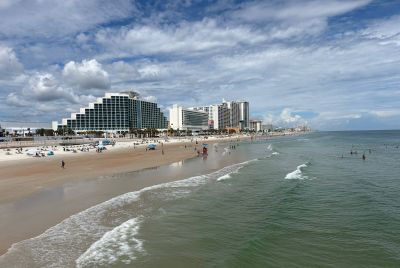
Health officials caution against entering warm saltwater or brackish water if any fresh cuts, scrapes or open wounds are present. Beyond wound-related exposure, officials also recommend avoiding raw oysters and other raw shellfish altogether, and taking care to prevent cross-contamination between raw seafood and other foods during preparation. Anyone handling raw shellfish is advised to wear protective gloves. For those who do develop a wound exposed to brackish or salt water, health officials stress seeking medical care immediately if the area becomes red, swollen, painful, warm or discolored, and specifically informing any treating health care provider about the water exposure given how quickly the infection can progress.
A Season That Isn't Over
With Vibrio infections historically continuing through the fall as coastal waters remain warm, Louisiana health officials have signaled that this year's case and fatality totals could still rise further before the season's typical decline begins. Given that the state has already surpassed its 10-year historical average with weeks of peak risk still ahead, officials continue urging heightened vigilance among residents and visitors engaging in coastal water activities or preparing raw seafood through the remainder of the summer.
© Copyright 2026 IBTimes AU. All rights reserved.
- Recommended For You