Australia Confirms Its First Mass Death of Seabirds From H5N1 Bird Flu, Warns of Wider Spread to Come
Federal officials warn of likely further spread among wildlife

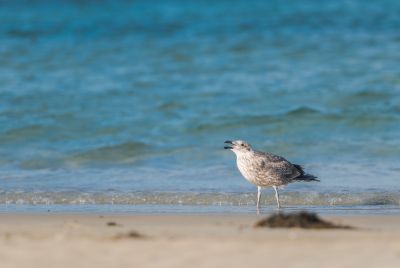
Australia confirmed its first mass mortality event linked to the H5N1 bird flu virus on Monday, after the disease killed approximately 50 greater crested terns off the coast south of Adelaide, prompting federal officials to warn that further spread among the country's wildlife is now likely.
Agriculture Minister Julie Collins told reporters in Canberra that testing had confirmed H5N1 bird flu in a group of 49 dead and 35 sick terns discovered by helicopter surveillance on rocks off Cape Jaffa, located roughly 250 kilometers, or 155 miles, from Adelaide, following the survey conducted Friday. "This is the first confirmed case of a mass mortality," Collins said. She warned that additional wildlife losses should now be expected as the virus continues moving through Australia's bird populations. "Australians should expect to see more spread and larger numbers now of wildlife being affected," Collins said. "Once the H5 bird flu is spreading in wildlife and the natural environment, it is not possible to avoid significant losses, which is what we're starting to see now."
Despite the confirmed mass mortality event among wild seabirds, Collins said there remains no evidence of the virus having reached Australia's commercial farms. Many poultry operations across the country have implemented lockdown measures to protect their flocks since H5N1 was first detected in Australia in June. Australia's total confirmed case count now stands at 74, spread across a geographic range including Western Australia and Queensland, though Collins said the majority of cases to date have occurred within South Australia specifically.
Australia and New Zealand had spent years preparing for the eventual arrival of H5N1, implementing measures including tighter biosecurity protocols at farms, expanded testing of shorebird populations, vaccination programs for particularly vulnerable species, and formal war-gaming exercises to simulate the country's response to an outbreak. New Zealand recorded its own first confirmed H5N1 case last month, following a similar pattern of the virus eventually reaching a country that had previously remained free of the disease despite years of preparation.
The H5N1 strain has caused devastating losses to bird and mammal populations globally in recent years, killing hundreds of millions of birds and mammals worldwide and causing billions of dollars in losses to poultry farmers internationally. The virus has also infected cattle herds in the United States and has repeatedly left beaches littered with the corpses of dead birds and seals in various countries where outbreaks have occurred.
While H5N1 bird flu can infect humans who come into direct contact with infected animals, the total number of confirmed human cases worldwide remains small, and public health officials continue to characterize the overall risk to humans as low under current circumstances. Even so, health authorities in affected countries generally advise the public to avoid direct contact with sick or dead wild birds and to report unusual wildlife mortality events to relevant agricultural or wildlife authorities.
Australia had previously been considered one of the last major regions in the world without a confirmed H5N1 detection, given the country's geographic isolation and the extensive biosecurity preparations undertaken in the years leading up to the virus's eventual arrival. The confirmation of Monday's mass mortality event among greater crested terns marks a significant escalation from earlier, more isolated case detections reported since the virus first appeared in the country in June, signaling that the outbreak has now progressed into the kind of larger-scale wildlife mortality event officials had long anticipated once the virus became established within Australia's wild bird populations.
Wildlife and agricultural authorities are expected to continue closely monitoring the situation in the coming weeks, tracking both the geographic spread of confirmed cases and the scale of mortality among affected wild bird species, while maintaining heightened biosecurity measures at commercial poultry operations to prevent the virus from crossing over into farmed flocks. Given the pattern seen in other countries following the virus's initial establishment in wild bird populations, officials are bracing for the possibility of additional mass mortality events affecting other vulnerable native species across Australia's coastal and inland regions in the months ahead.
© Copyright 2026 IBTimes AU. All rights reserved.
- Recommended For You