(VIDEO) Black Bear Wandering Alabama Neighborhoods Goes Viral After Peering Into Yards Like a Homebuyer Would
A black bear's unexpected journey through North Shelby County highlights wildlife recovery and human-wildlife interactions.
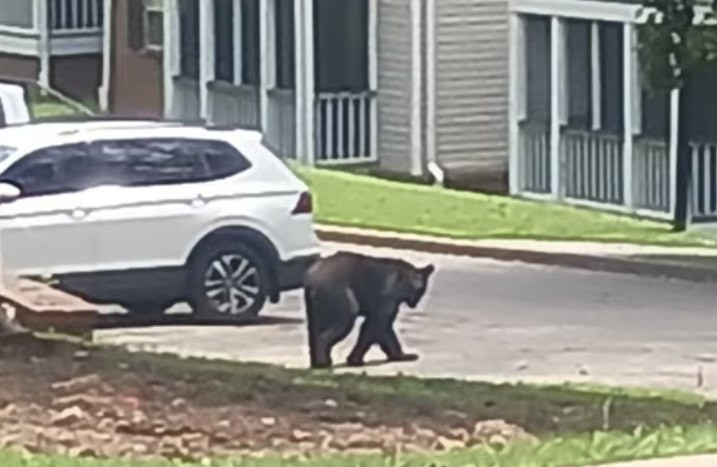
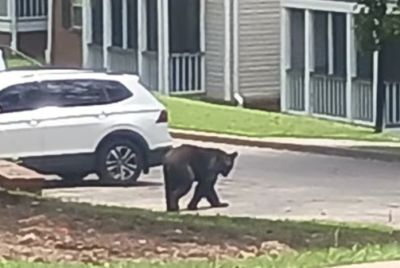
A wild black bear roaming through suburban neighborhoods in North Shelby County, Alabama, has become a social media sensation this week, drawing widespread attention as photos and videos captured the animal casually passing homes, peering into yards and clearing fences as though scouting real estate.
Posts documenting the bear's movements began circulating rapidly among residents earlier this week, according to local outlet Bham Now. As the animal made its way along neighborhood streets, residents shared real-time photos and videos of its journey, contributing to the widespread online attention the sighting has generated.
Black bears once ranged widely across Alabama, but their numbers dropped sharply over the course of the state's history due to habitat loss and hunting pressure. In 2006, the black bear was officially designated as Alabama's state mammal, according to Bham Now, a symbolic recognition that came even as the species' population remained heavily concentrated in just a few pockets of the state, primarily near Little River Canyon and Lookout Mountain in northeastern Alabama, as well as in the Mobile and Washington County area in the state's southwest.
Conservation efforts led by the Alabama Department of Conservation and Natural Resources have helped the state's black bear population gradually grow in recent years. That recovery has come with a notable behavioral pattern among young male bears specifically: according to Bham Now, male bears, particularly younger individuals, may roam as far as 100 miles from their dens in North Alabama during the summer months in search of new territory, a pattern that could help explain how a bear ended up wandering through the Birmingham suburbs, well outside the species' core habitat range.
The sighting reflects a broader dynamic playing out across parts of the country as wildlife populations recover and human development continues expanding into or near natural habitats. As black bear populations and other wildlife rebound in various regions, animals are increasingly likely to move through residential neighborhoods that have been built near their habitats or along established travel corridors the animals have historically used to move between territories.
Human activity within those neighborhoods can also increase the likelihood of these kinds of encounters. Easily accessible food sources, including unsecured household trash, outdoor pet food left in yards, and bird seed placed in feeders, can draw bears into residential areas and, over time, teach the animals to associate proximity to people and homes with a reliable food source, making them more likely to linger near neighborhoods rather than moving through quickly.
That dynamic creates risks for both residents and the bears themselves. A bear wandering through a residential subdivision can raise immediate safety concerns for nearby residents, disrupt normal daily routines, and put both pets and people at risk of an unwanted encounter. For the bear, extended time spent near roads, fences and homes similarly increases the likelihood of vehicle collisions, physical injury, elevated stress, or other dangerous conflicts with people or domestic animals that the bear would not typically encounter within its natural habitat.
State wildlife officials have offered clear guidance for residents who encounter a bear in their neighborhood. According to guidance summarized by Bham Now, people should leave bears alone entirely, maintaining a safe distance and never attempting to feed or touch the animal under any circumstances. Officials have specifically warned that feeding bears, even unintentionally through unsecured food sources, can make future encounters more dangerous over time by conditioning the animals to associate human presence with an easy meal, a behavioral shift that tends to make bears bolder and less likely to avoid populated areas on their own.
Residents in areas where bears have been spotted can take several practical steps to reduce the likelihood of repeat visits from the same or other animals. Securing garbage in bear-resistant containers or storing it indoors until collection day, bringing outdoor pet food inside rather than leaving it accessible overnight, and removing other potential attractants such as unsecured bird feeders from yards can all help discourage bears from lingering in residential areas. If a bear is actively present nearby, residents are advised to supervise any pets closely and give the animal a clear, unobstructed path to move on, since cornering or startling a bear increases the risk of a tense or dangerous encounter for both the animal and any nearby people or pets.
Wildlife officials in Alabama and other states with recovering bear populations have increasingly emphasized public education around these kinds of encounters as black bear numbers continue rebounding in regions where the species had previously become rare or locally absent. As development continues to expand into or near areas bears use for seasonal movement, particularly during the summer dispersal period when young males often travel long distances from their home territory, wildlife officials expect similar sightings to continue occurring periodically in suburban and semi-rural communities located near the state's core bear habitat zones.
For now, the North Shelby County bear appears to have simply been passing through, continuing what wildlife experts describe as a natural seasonal pattern of long-distance roaming among young male bears, even as its brief visit to the neighborhood turned it into an unexpected online sensation among residents who documented its unusual, homebuyer-like tour of the area.
© Copyright 2026 IBTimes AU. All rights reserved.
- Recommended For You