Scientists Find First-Known Transmissible Cancer in Catfish, Raising New Questions About Contagious Tumors
New study reveals contagious melanoma in catfish, sparking scientific interest
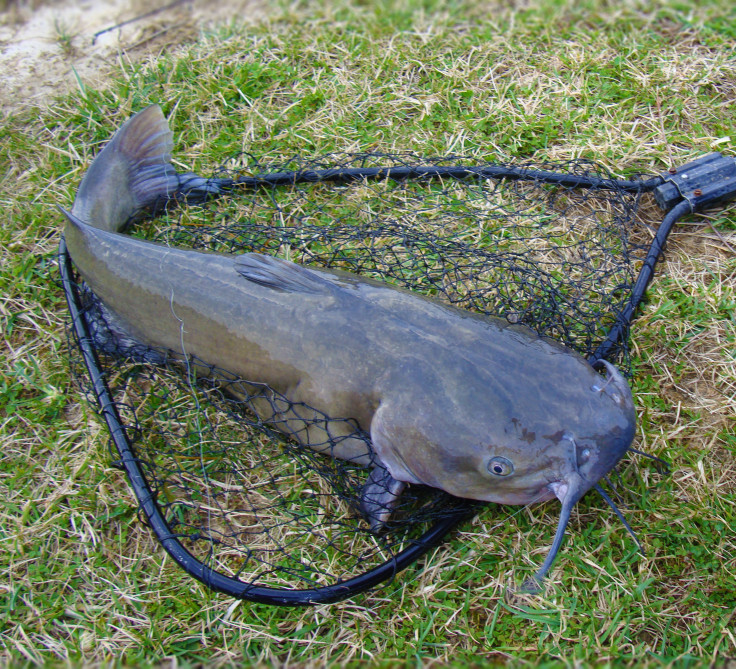
Scientists studying a lake straddling the border between Vermont and Quebec have identified what researchers describe as the first known case of a transmissible cancer in catfish, a discovery that has reignited scientific interest in how contagious tumors emerge and spread across species.
Biologists with the Vermont Department of Fish and Wildlife made the discovery in Lake Memphremagog after anglers began reporting unusual findings between 2012 and 2013. Fishermen pulled numerous brown bullhead catfish from the lake covered in distinctive black spots across their bodies. When biologists examined the affected fish more closely, they determined the marks were melanoma, a type of skin cancer more commonly associated with human patients than with fish populations.
The findings, published in the scientific journal Nature, revealed that between 23% and 37% of the catfish sampled from the lake carried melanoma lesions, according to the study. Researchers said the cancerous marks could appear across various parts of the fish's body, including their gills, lips and even their eyes.
Peter Emerson, a biologist with the Vermont Department of Fish and Wildlife, described the visual severity of the lesions in an interview with NPR. "It looks like black tar on the skin — not very pretty," Emerson said. He added that the tumors clearly impaired the affected fish, noting they appeared in locations that would interfere with basic functions. "You can tell it doesn't help the fish cause they're inside the mouth, they're on the fins," Emerson said.
Researchers involved in the study believe the cancer is being actively transmitted between individual catfish within the lake population, rather than developing independently and simultaneously in large numbers of separate fish. According to the researchers' hypothesis, the outbreak likely originated with a single catfish that developed a tumor, which then shed cancerous cells directly into the surrounding water. Once those free-floating cancer cells came into contact with and invaded other catfish in the lake, scientists believe the disease began spreading more broadly through the population, effectively functioning as a contagious illness rather than a series of unrelated individual cancer cases.
Researchers have proposed a possible environmental trigger for the initial outbreak. They hypothesize that extensive flooding in the region following Hurricane Irene in 2011 may have degraded water quality in Lake Memphremagog through increased agricultural and other runoff pollution entering the lake, potentially creating conditions that made the catfish population more vulnerable to developing the initial cancer that later became transmissible.
Transmissible cancers, in which cancer cells themselves function essentially as an infectious pathogen capable of spreading from one individual organism to another, remain an extremely rare phenomenon in the natural world. Prior to this discovery in catfish, scientists had documented transmissible cancers in only a small number of other species, including certain populations of dogs, Tasmanian devils, and several varieties of clams and other shellfish. The Tasmanian devil facial tumor disease is perhaps the best-documented example among vertebrates, having devastated wild Tasmanian devil populations in Australia since it was first identified in the 1990s.
The discovery of a new transmissible cancer in catfish has prompted broader scientific reflection on how common the phenomenon might actually be across the animal kingdom, and whether similar mechanisms could theoretically exist within human populations. Elizabeth Murchison, a researcher who studies transmissible cancers, addressed that broader question in comments to The New York Times. "This finding does reinforce the idea that transmissible cancers could emerge anywhere, including in our own species," Murchison said.
Despite that observation, established medical and scientific consensus continues to hold that cancer cannot spread from person to person in the way that transmissible cancers spread among catfish, Tasmanian devils or other affected animal species. The American Cancer Society maintains that human-to-human cancer transmission is not possible under normal circumstances, and the organization has stated there is little scientific research to suggest otherwise. The extremely rare exceptions documented in human medicine, such as cancer transmission through organ transplantation from a donor who had an undetected malignancy, are considered fundamentally different from the kind of naturally occurring, environmentally spread transmissible cancers observed in the catfish population and other affected animal species.
Researchers studying the Lake Memphremagog catfish population say continued monitoring of the lake's brown bullhead catfish will be necessary to better understand how the transmissible melanoma is spreading, whether the prevalence of affected fish is likely to increase or decrease over time, and what broader ecological consequences the outbreak might have for the lake's catfish population and surrounding aquatic ecosystem.
The discovery adds to a small but growing body of scientific literature documenting transmissible cancers across diverse animal species, a research area that scientists say remains poorly understood despite its potential implications for broader questions in cancer biology, including how tumors evolve, spread and, in rare cases, develop the ability to survive and propagate outside the body of the organism in which they originally formed.
© Copyright 2026 IBTimes AU. All rights reserved.
- Recommended For You