

Kanazawa University Blood Test Detects 90% of Early-Stage Pancreatic Cancers Missed by Standard Test
Kanazawa University researchers develop a promising diagnostic tool for early pancreatic cancer detection
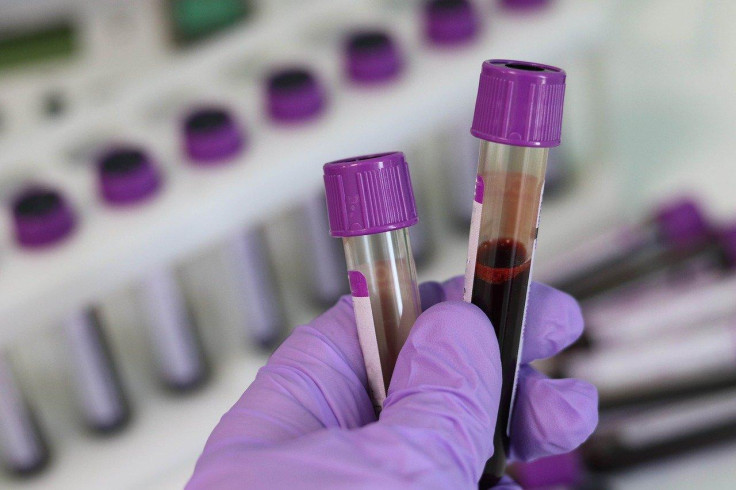
Researchers at Japan's Kanazawa University have developed a blood test capable of detecting 90% of the earliest-stage pancreatic cancers, a finding that could significantly improve survival odds for a disease long considered one of the most difficult cancers to catch in time for effective treatment.
Pancreatic cancer remains notoriously hard to diagnose early, with symptoms typically emerging only after the disease has already advanced. In Japan, the five-year survival rate for the disease stood at just 8.5% between 2009 and 2011, according to data from the National Cancer Center. Surgery following an early diagnosis remains the only treatment offering a realistic chance at a cure, but early-stage cases currently account for only 2% to 3% of all pancreatic cancer diagnoses, meaning most patients are identified only after the disease has already reached an advanced, harder-to-treat stage.
To address that gap, a research team led by Dr. Taro Yamashita, dean of the Graduate School of Advanced Preventive Medical Sciences and a professor of gastroenterology at Kanazawa University's Faculty of Medicine, previously developed a diagnostic test called Panregza, which combines analysis of gene expression patterns drawn from peripheral whole blood with measurement of the tumor marker CA19-9, a protein commonly used in existing pancreatic cancer screening. While Panregza had already demonstrated effectiveness in diagnosing advanced pancreatic cancer, researchers had not previously determined how well it could detect the disease at its very earliest stages, when treatment odds are dramatically better.
The new study analyzed 10 patients diagnosed with stage 0 or stage I pancreatic cancer, representing just 4% of a total pool of 253 patients, and compared their results against those of 104 healthy individuals. Researchers evaluated three separate diagnostic approaches: gene expression patterns from peripheral whole blood alone, the standard CA19-9 tumor marker test alone, and the combined Panregza test incorporating both measures.
Using a panel of 56 gene probes, the whole blood gene expression approach on its own detected nine of the 10 early-stage cancer cases, translating to a 90% detection rate. The standard CA19-9 test, by comparison, detected only one of the 10 cases, a 10% detection rate, highlighting a substantial gap in performance between the two methods when it comes to catching the disease at its earliest, most treatable point. The combined Panregza test, which blends both measures, landed between the two individual approaches, demonstrating 60% sensitivity alongside 93.3% specificity, meaning it was highly effective at correctly ruling out cancer in people who did not have the disease, even if its overall detection rate for early cases fell short of the gene-expression test used on its own.
"These findings indicate that gene expression analysis from peripheral whole blood is a highly effective method for detecting early-stage pancreatic cancer," Yamashita said in a statement accompanying the research.
The stakes tied to catching the disease earlier are substantial. According to data from the Innovative Research and Development Center for Pancreatic Cancer at Kanazawa University Hospital, five-year survival rates reach 100% among patients diagnosed at stage 0 and 74.4% among those diagnosed at stage I, a dramatic improvement over the single-digit survival rates typically associated with pancreatic cancer diagnosed at more advanced stages. Researchers said that gap underscores the critical importance of developing tools capable of identifying the disease before symptoms emerge.
Explaining the biological basis behind the test, researchers noted that most of the cells analyzed in the blood samples are immune cells rather than cancer cells themselves, and that the presence of even a very small tumor appears to alter the gene activity of those immune cells, even during the disease's earliest stages. That mechanism suggests the test can detect genetic changes associated with pancreatic cancer in the bloodstream even before a tumor grows large enough to be found through conventional imaging, and even before CA19-9 levels themselves begin to rise, a scenario in which standard blood-marker testing would typically still appear normal.
Outside experts reviewing the findings offered cautious optimism about the test's potential impact. Dr. Ligresti, whose full name and institutional affiliation were not specified in initial coverage of the study, described the results as "a potential game-changer" in comments reported by Newsweek, while also cautioning that the trial involved a very small number of early-stage cases. "Although that's a small trial, it fits in with the current research and thinking for sure," Ligresti said, adding that the approach "requires further validation in larger, diverse populations" before it could be adopted more broadly in clinical practice. Ligresti also pointed to the test's potential value for screening patients already considered at elevated risk for pancreatic cancer, saying a highly sensitive blood test of this kind "could revolutionize these efforts, allowing us to identify patients who are candidates for curative surgery before symptoms ever arise."
The Panregza diagnostic kit is currently marketed commercially in Japan by Cubix Inc., building on research the Kanazawa University team has pursued for several years. An earlier version of the underlying blood messenger RNA screening system, developed by many of the same Kanazawa University researchers, was first published in the journal Cancer Science in 2019, establishing the foundational gene-panel approach that has since been refined and tested specifically for its ability to detect the disease at its earliest, most treatable stages.
Researchers cautioned that despite the promising early results, the current findings stem from a relatively small sample of just 10 early-stage patients, meaning larger, more diverse studies will be needed before the gene-expression approach could realistically be adopted as a widespread screening tool for the general population or even for high-risk groups specifically. Even so, the research adds to a growing body of scientific work focused on developing blood-based screening tools capable of catching notoriously hard-to-detect cancers, including pancreatic cancer, well before symptoms typically prompt patients to seek medical evaluation in the first place, a shift researchers say could meaningfully improve survival outcomes for a disease that has historically offered patients very little advance warning.
© Copyright 2026 IBTimes AU. All rights reserved.