Daraxonrasib Sparks Hope and Demand Surge for Deadly Pancreatic Cancer Treatment
Daraxonrasib shows promise in extending survival for pancreatic cancer patients, sparking high demand.
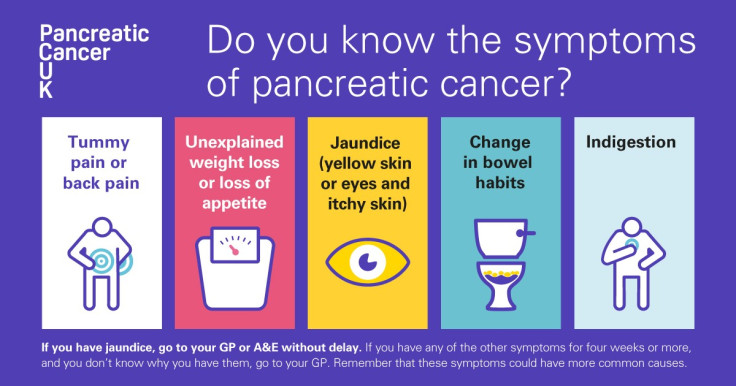
NEW YORK — An experimental drug showing dramatic potential to extend survival for patients with one of the deadliest forms of cancer is generating intense demand at specialized clinics across the country as patients and oncologists await full regulatory approval.
Daraxonrasib, which targets the KRAS gene mutation present in roughly 90 percent of pancreatic cancer cases, received fast-track early access authorization from the Food and Drug Administration on April 30. The medication has already demonstrated in clinical trials the ability to nearly double median survival times for patients with advanced disease, prompting a rush of inquiries from desperate families and oncologists seeking options for those with limited time left.
Pancreatic cancer remains one of the most lethal malignancies, with a five-year survival rate below 13 percent and limited treatment options once it spreads. Traditional chemotherapy regimens typically extend life by only a few months. Daraxonrasib's early results have therefore generated unprecedented excitement in the oncology community, with some physicians describing it as a potential game-changer for a disease long considered nearly untreatable.
Breakthrough Targets Root Cause
The drug works by specifically inhibiting the mutated KRAS protein that drives uncontrolled cell growth in most pancreatic tumors. In Phase 2 trials involving patients with metastatic disease, those receiving Daraxonrasib alongside standard chemotherapy saw median overall survival approach 18 months — nearly double the typical 9 to 11 months seen with chemotherapy alone. Some participants experienced tumor shrinkage significant enough to become eligible for surgery, an outcome rarely seen in advanced pancreatic cancer.
Dr. Elena Ramirez, a gastrointestinal oncologist at Memorial Sloan Kettering Cancer Center, called the results "remarkable" but cautioned that larger Phase 3 data is still needed. "For the first time in decades, we're seeing a targeted therapy that directly attacks the primary driver mutation in this terrible disease," she said. "Patients are understandably eager, but we must balance hope with rigorous science."
Clinics Overwhelmed by Demand
Since the FDA's early access approval, specialized cancer centers have reported a sharp increase in requests. Some clinics say they are fielding dozens of calls daily from patients seeking enrollment in expanded access programs. Demand has been particularly high in states with strong pancreatic cancer advocacy networks, including California, Texas and New York.
"We've never seen anything like this volume," said Dr. Michael Chen, medical director of a pancreatic cancer program in Houston. "Patients who were told they had months left are now asking about this drug by name. We're doing our best to evaluate them quickly and fairly, but supply is limited while full approval is pending."
The manufacturer has not yet disclosed exact production capacity or pricing for the early access program. Industry analysts estimate monthly treatment costs could exceed $20,000, raising concerns about equitable access even before widespread availability. Patient advocacy groups are already calling on insurers to cover the therapy under compassionate use provisions.
Patient Stories Fuel Optimism
Early participants in the expanded access program have shared cautiously hopeful stories. One 58-year-old patient from Florida, who asked to remain anonymous, said the drug stabilized his tumors after standard treatments failed. "For the first time in a year, I feel like I have time again," he told local media. "I'm not cured, but I'm still here."
Such testimonials have spread rapidly on social media, creating both inspiration and pressure on the healthcare system. Pancreatic cancer advocacy organizations report record website traffic and helpline calls since the FDA announcement.
Scientific and Regulatory Path Ahead
Daraxonrasib is currently in late-stage clinical trials, with full FDA approval potentially arriving as early as late 2027 if data remains strong. The drug's developer has prioritized pancreatic cancer but is also studying its effectiveness against other KRAS-mutated tumors, including certain lung and colorectal cancers.
Oncologists stress that while promising, the drug is not a miracle cure. Side effects include fatigue, gastrointestinal issues and skin reactions, similar to other targeted therapies. Long-term survival benefits and potential resistance mechanisms are still being evaluated.
The National Cancer Institute has highlighted Daraxonrasib as one of several KRAS inhibitors showing real progress after decades of failed attempts to drug this notoriously difficult target. Success against KRAS has long been considered the "holy grail" of precision oncology.
Broader Implications for Cancer Care
If fully approved, Daraxonrasib could reshape treatment paradigms for pancreatic cancer and influence research into other hard-to-treat malignancies. It represents a shift toward mutation-specific therapies rather than broad chemotherapy approaches that have dominated care for decades.
However, experts warn that early access programs, while lifesaving for some, can create ethical challenges around equity. Wealthier patients and those near major cancer centers are more likely to secure spots, potentially widening survival gaps.
Advocacy groups are pushing for expanded compassionate use and accelerated approval pathways to ensure broader availability. They also emphasize the importance of continued research funding for pancreatic cancer, which receives significantly less attention than more common malignancies despite its high mortality rate.
Hope Tempered by Reality
For the thousands of families facing pancreatic cancer diagnoses each year, Daraxonrasib represents a rare beacon of hope in a disease that has long offered little. While the drug is not yet a cure, its ability to meaningfully extend life has already changed conversations in oncology offices nationwide.
As clinics work to meet surging demand and researchers push forward with larger trials, the coming months will be critical in determining whether this experimental therapy fulfills its early promise. For patients and loved ones currently battling the disease, even the possibility of additional time is profoundly meaningful.
The medical community remains cautiously optimistic. Daraxonrasib has ignited excitement not seen in pancreatic cancer for years, but sustained benefits and broad accessibility will ultimately determine its place in treatment history. For now, patients continue seeking enrollment while researchers race to gather the definitive data needed for full approval.
© Copyright 2026 IBTimes AU. All rights reserved.
- Recommended For You