

FDA Reverses Positive Cyclospora Lettuce Test Result as Taylor Farms Recall Stays in Effect Nationwide
Taylor Farms de Mexico's Iceberg Lettuce Recall Continues Amid Ongoing Investigation
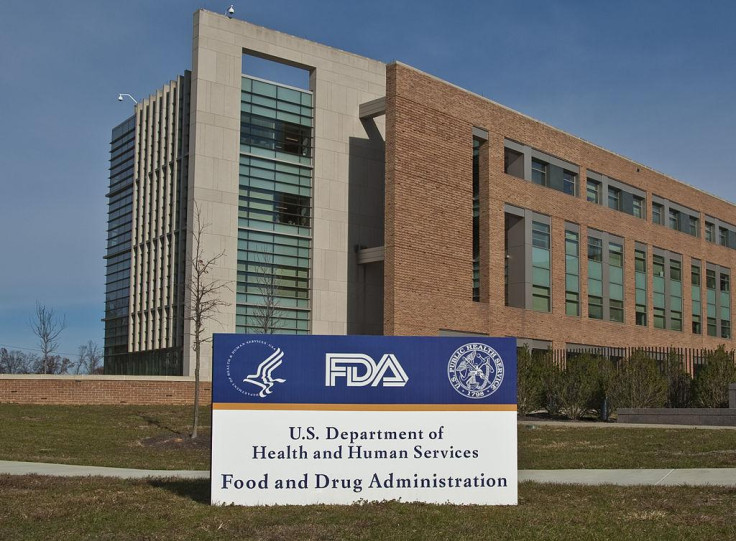
The U.S. Food and Drug Administration said Sunday that a sample of shredded iceberg lettuce from Taylor Farms de Mexico previously reported to have tested positive for Cyclospora was actually a false positive, walking back a key finding in an ongoing nationwide investigation into a foodborne illness outbreak that has sickened more than 1,600 people across five states.
The FDA said the false positive result was discovered after the agency re-reviewed test data collected from a Taylor Farms de Mexico sample, and that the correction does not affect the company's earlier voluntary recall of iceberg lettuce sourced from central Mexico, which remains in effect. In its original Saturday notice announcing the positive test, the agency had said the affected product was not part of Taylor Farms' existing recall and that the company was working to determine whether any of that specific lot remained in commerce or in consumers' homes. That notice has since been removed from the FDA's public updates on the outbreak.
What caused the false positive
According to the FDA, Saturday's erroneous result stemmed from what the agency described as false amplification during laboratory testing. "The finding does not represent true amplification and should be considered a false positive," the agency said. Amplification techniques are commonly used in clinical laboratories to generate additional copies of biological samples, making pathogens easier to detect and identify, but the process can occasionally produce misleading results requiring further verification.
With Sunday's correction, FDA officials said there are currently no confirmed positive product samples tied to the outbreak, even as the underlying recall and broader investigation continue.
A recall spanning nearly 30 states
Taylor Farms de Mexico first announced its voluntary recall on Friday, July 17, saying it was removing all iceberg lettuce sourced from central Mexico from the U.S. market due to its potential contamination with Cyclospora. The recalled shredded iceberg lettuce had been distributed between June 29 and July 16 to locations across 27 states, according to the company's recall notice, including Alabama, Arkansas, Connecticut, Florida, Georgia, Iowa, Illinois, Indiana, Kansas, Kentucky, Louisiana, Massachusetts, Maryland, Michigan, Missouri, Mississippi, North Carolina, New Hampshire, New Jersey, Ohio, Oklahoma and Pennsylvania, among others.
In its statement announcing the recall, Taylor Farms emphasized that none of its branded salad kits or products are associated with the outbreak, noting that none of its branded salad kits contain iceberg lettuce in the first place. The company said the FDA's traceback investigation pointed to a specific independent farm representing less than 1% of the total U.S. iceberg lettuce supply as the potential source of contamination, but that Taylor Farms had nonetheless removed all iceberg lettuce from that region of Mexico indefinitely out of caution.
Origins of the outbreak investigation
The FDA's traceback investigation initially converged on Taylor Farms de Mexico as the common supplier of shredded iceberg lettuce used at Taco Bell locations in Indiana, Kentucky, Michigan, Ohio and West Virginia, where sickened individuals reported eating before falling ill. Yum Brands' Taco Bell said it had already removed the potentially affected lettuce from its restaurants and would stop using the implicated supplier going forward.
According to the CDC, illnesses connected to the outbreak began appearing as early as May 13, 2026, with the most recent reported onset dates extending through July 13. Of the more than 1,600 confirmed cases reported across the five affected states, 94 people have required hospitalization, though no deaths have been reported in connection with the outbreak.
Separately, Michigan's state health department has reported more than 5,000 cases of cyclosporiasis as part of its own outbreak investigation, a concentrated surge that officials said strongly suggests the vast majority of those illnesses are linked to the same underlying source, even though the department said it cannot say with absolute certainty that every case shares an identical point of exposure. If confirmed, the scale of that regional cluster would make this outbreak the largest cyclospora outbreak on record in the United States.
Retailers respond with precautionary measures
Beyond Taco Bell, several major retailers and distributors took precautionary action following news of the recall. Food distributor Sysco said it proactively removed all Taylor Farms-processed iceberg lettuce sourced from Mexico from its distribution network and instructed customers to destroy any remaining product after learning of the suspected link to the outbreak.
Walmart also removed four bagged iceberg lettuce salad products, sold under its Marketside brand, from select store locations as a precaution. A Walmart spokesperson said the company had seen no indication that products sold in its stores were affected by the ongoing Cyclospora investigations, adding that there have been no confirmed illnesses associated specifically with those products. The spokesperson said Walmart was working closely with its supplier and took immediate steps to remove the products from sale out of an abundance of caution.
About Cyclospora infection
Cyclospora cayetanensis is a single-celled parasite that causes an intestinal infection known as cyclosporiasis. According to the FDA, people infected with the parasite typically experience flu-like symptoms alongside watery diarrhea accompanied by frequent bowel movements. While cyclosporiasis cases occur every year in the United States, health officials have noted that this year's case count has significantly exceeded typical annual levels.
A company with a history of food safety issues
Sunday's developments mark the latest chapter for Taylor Farms, which has previously been linked to other food safety incidents, including a voluntary recall of raw onions in October 2024 tied to a separate FDA investigation. The company has also faced legal action stemming from the current outbreak, including a lawsuit filed by an Ohio man against a Taco Bell franchisee, in which he claims a Cyclospora infection left him sick for two weeks.
What comes next
With the false positive result now corrected but the underlying recall still firmly in place, the FDA said its investigation into the outbreak remains ongoing, alongside continued collaboration with the CDC and state and local health authorities. Officials have not announced a timeline for when the investigation is expected to conclude, and consumers who purchased the recalled iceberg lettuce are still being urged to discard it immediately rather than consume it, with full refunds available at the original point of purchase.
© Copyright 2026 IBTimes AU. All rights reserved.