

Guggenheim Museum Among 31 NYC Buildings Linked to Legionnaires' Outbreak as Cases Reach 46 Citywide
Guggenheim Museum and 30 Other Buildings Test Positive for Legionella Bacteria Amid Growing Outbreak
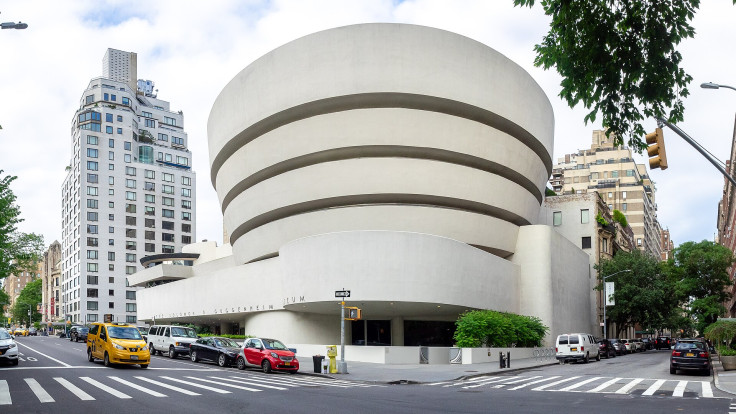
The Guggenheim Museum is among 31 Upper East Side buildings where health officials have detected the bacteria that causes Legionnaires' disease, as New York City's outbreak of the severe pneumonia-like illness continued to grow to 46 confirmed cases as of Thursday.
The city Department of Health identified the full list of affected properties by address on Friday, marking the first time officials have publicly disclosed every building where cooling towers tested positive for Legionella bacteria since the outbreak was first confirmed July 2. The museum, located at 1071 Fifth Avenue, was among 19 buildings that had already completed cleaning and disinfection of their water-cooling towers as of Friday, according to the health department. The remaining 12 buildings were ordered to complete similar remediation by Saturday, though it was not immediately clear whether all had met that deadline.
The Guggenheim, which draws an average of 1,100 visitors daily, was not ordered to close at any point during the outbreak, the health department said. In a statement to The Post, a museum spokesperson said the Guggenheim took immediate remediation steps after learning Legionella bacteria had been detected. "The city has confirmed that there is no additional action needed at this time, and this poses no risk to anyone inside the building," the spokesperson said, adding that the museum conducts monthly cooling tower testing and treatment. "The safety of our staff and the public are the utmost priority, and we are continuing to follow all city guidelines." The museum did not say whether it had contacted visitors who may have been on-site while Legionella bacteria were present in its cooling system.
The outbreak has been traced to a cluster of Manhattan ZIP codes, 10028, 10128 and 10075, spanning the Carnegie Hill, Yorkville and Lenox Hill neighborhoods on the Upper East Side. City health officials said the case count climbed steadily throughout the week, rising from 23 confirmed infections on July 6 to 28 by July 8, then to 36 by midweek and 46 by Thursday, with 22 patients hospitalized as of the most recent count, according to figures reported by Gothamist and NY1. No deaths have been reported in connection with the outbreak.
City Health Commissioner Dr. Alister Martin said the department has moved aggressively since the cluster was first identified. "We identified cluster early. We acted quickly. We have not stopped since," Martin said, according to CBS News New York. He added that investigators are still working to pinpoint the exact source of the contamination. "We're still avidly conducting a thorough investigation to confirm which exact location is harboring the live Legionella bacteria which is causing people to get sick," Martin said.
The 31 identified buildings span a range of property types beyond the Guggenheim, including a Whole Foods location, a summer day camp, medical offices and residential buildings, according to CBS News New York. Health officials cautioned that a positive cooling-tower test does not necessarily confirm that a given building is the source of the outbreak, and additional testing remains underway to determine where the contamination originated. Out of caution, every building on the list has been ordered to drain, clean and disinfect its cooling towers regardless of whether it has been definitively linked to any illness.
The city has tested 183 cooling towers across the Upper East Side since confirming the outbreak, officials said, and more than half of the neighborhood's cooling towers have been cited for violations during recent inspections, according to city records, including failures to perform regular monitoring and cleaning or to submit required Legionella test results to the health department. The screening method used to identify contaminated towers, a polymerase chain reaction test, can detect the presence of Legionella genetic material but cannot determine whether the bacteria found are alive or dead; only live bacteria can cause illness in humans.
Legionnaires' disease is a severe form of pneumonia caused by inhaling mist containing Legionella bacteria, which thrive in warm water systems such as cooling towers, decorative fountains and hot tubs. Symptoms typically include fever, chills, muscle aches, cough and difficulty breathing, and in some cases gastrointestinal symptoms such as diarrhea, according to the city health department. Symptoms generally develop between two and 14 days after exposure, according to the U.S. Centers for Disease Control and Prevention. People over 50, current or former smokers, and those with chronic lung disease or weakened immune systems face a higher risk of severe illness, city health officials said. According to the CDC, roughly one in 10 people who develop Legionnaires' disease die from complications, a figure that rises to about one in four among patients who contract the illness during a stay at a healthcare facility.
Legionella spreads through inhalation of contaminated water droplets rather than person-to-person contact, meaning residents of the affected buildings and neighborhoods do not need to take special precautions with their tap water, showers or air conditioning units, according to the health department. "Since Legionella bacteria is spread through inhaling contaminated water, not person to person, New Yorkers on the Upper East Side, where the outbreak is concentrated, should pay close attention to public health alerts and be aware of contaminated areas," Dr. Daniel Knecht, chief medical officer at EmblemHealth, told amNewYork.
City officials have urged anyone who lives, works or has visited the affected ZIP codes since late June, as well as anyone who has spent time on the east side of Central Park between East 76th Street and East 97th Street, to monitor themselves for flu-like symptoms and seek medical attention promptly if symptoms develop. Doctors across the city have also been advised by the health department to consider testing specifically for Legionnaires' disease in patients presenting with pneumonia-like symptoms who have spent time in the affected area.
The current outbreak follows a separate Legionnaires' cluster that struck Central Harlem last summer, sickening more than 100 people and killing seven, underscoring the potential severity of the disease when outbreaks go undetected or unaddressed for extended periods. New York City Mayor Zohran Mamdani and health department officials described their response to the current outbreak as "aggressive action," including the decision to publicly release the addresses of buildings whose cooling towers tested positive, a step city officials characterized as unprecedented for an outbreak of this kind.
The investigation into the source of the contamination is expected to continue through the weekend, and health officials said additional buildings could be added to the list as more test results come back. Because it can take up to two weeks to receive complete test results, officials cautioned that the full scope of the outbreak, including its ultimate source, may not be known for some time.
© Copyright 2026 IBTimes AU. All rights reserved.