(VIDEO) Rare Blue Micromoon to Light Up Australian Skies on May 31, Offering Rare Celestial Sight
Australians are set to witness a rare celestial event combining a Blue Moon and Micromoon.
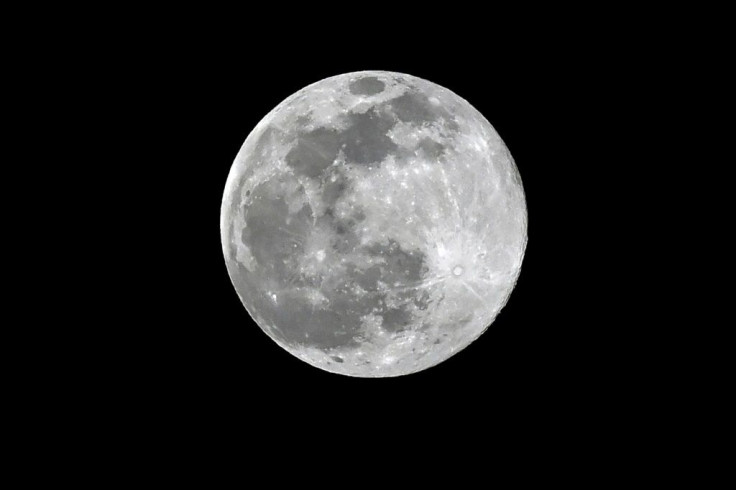
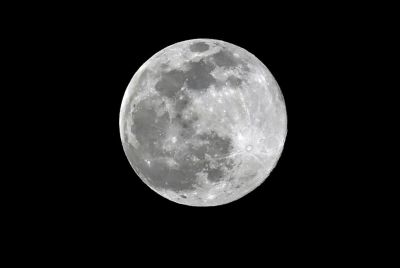
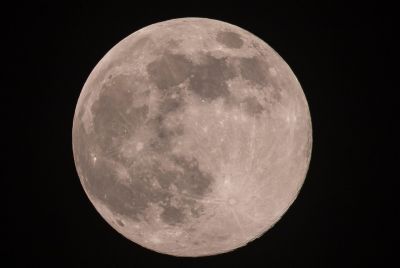
SYDNEY — Australians are being urged to look skyward this weekend for a rare Blue Micromoon, a celestial event that combines two uncommon lunar phenomena and is not expected to repeat for decades.
The full moon will reach peak illumination on Sunday, May 31, 2026, though cloud cover in some regions may limit visibility. The event features a Blue Moon — the second full moon in a calendar month — coinciding with a micromoon, when the moon is at its farthest point from Earth in its elliptical orbit. This alignment creates a slightly smaller and dimmer appearance than a typical full moon, the opposite of a supermoon.
Australian astronomer Dr. Michael Brown explained the scientific context. "The blue moon and micromoon happening together is a coincidence of two relatively uncommon events, not something highly significant scientifically," he said. He noted that definitions of supermoons and micromoons can vary, but the event still offers a visually interesting sight for skywatchers.
Forecasts suggest the next similar Blue Apogee Micromoon alignment may not occur until December 2066, making this weekend's event a notable opportunity for Australians to witness a rare lunar display.
Best Viewing Times Across Australia
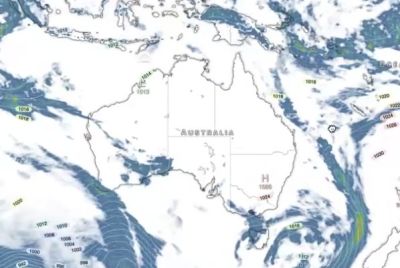
Viewing conditions will vary by location due to local weather patterns. For optimal chances:
- In Sydney, Melbourne, Brisbane and Canberra, the best viewing time is around 6:30 p.m. local time.
- Adelaide and Darwin residents should look up at approximately 6 p.m.
- Perth skywatchers are advised to check around 4:30 p.m. for the clearest view.
Clear skies and low light pollution will enhance the experience. Experts recommend finding open spaces away from city lights, such as parks or beaches, for the best observation. Binoculars or telescopes can provide enhanced detail, though the moon will be visible to the naked eye.
Scientific Background of the Phenomena
A Blue Moon is not actually blue in color but refers to the occurrence of two full moons within the same calendar month. The term dates back centuries and has become a cultural expression for rarity. A micromoon, meanwhile, occurs when the full moon coincides with apogee — the point in the moon's elliptical orbit farthest from Earth. This results in the moon appearing approximately 14 percent smaller and 30 percent dimmer than during perigee (supermoon conditions).
The combination of these events creates a subtle but noticeable difference in the moon's appearance. While not as dramatic as a supermoon, the Blue Micromoon offers an educational opportunity for astronomy enthusiasts and families to discuss lunar cycles and orbital mechanics.
Dr. Brown emphasized that while the event is interesting from a cultural perspective, it does not carry special scientific significance beyond standard lunar observation. The variation in definitions of micromoons reflects ongoing informal usage rather than strict astronomical criteria.
Cultural and Historical Significance
Blue Moons have long captured public imagination, inspiring phrases like "once in a blue moon" to describe rare occurrences. The event has been featured in folklore, literature and music across cultures. In modern times, social media amplifies interest, with many Australians expected to share photos and experiences online.
The 2026 Blue Micromoon coincides with other astronomical events, adding to its appeal for stargazers. Clear weather forecasts in several major cities increase the likelihood of widespread viewing, potentially creating shared community experiences across the country.
Practical Viewing Tips
Astronomy experts offer several recommendations for maximizing enjoyment of the event:
- Check local weather forecasts in advance, as cloud cover can obscure the moon.
- Use apps or websites that track moonrise times for precise timing.
- Avoid bright city lights by choosing elevated or open locations.
- Consider photography settings for capturing the moon's subtle appearance against the night sky.
- Share the experience with family or community groups to enhance educational value.
Safety is also important. When viewing from outdoor locations at night, ensure proper lighting and awareness of surroundings.
Broader Astronomical Context in 2026
The year 2026 features several notable lunar events, with the Blue Micromoon standing out due to its rarity. Astronomy organizations across Australia have planned public viewing sessions and educational programs to capitalize on public interest.
The event also highlights Australia's strong astronomical community and dark sky preservation efforts. Several regions, including parts of Western Australia and the Northern Territory, offer exceptional conditions for lunar and stellar observation due to low light pollution.
As climate patterns influence weather predictability, events like this serve as valuable opportunities for public engagement with science and nature. Schools and community groups are encouraged to incorporate the Blue Micromoon into educational activities about Earth's satellite and orbital mechanics.
For those unable to view the event in person due to weather or location, live streams and time-lapse videos from astronomy organizations will likely be available online.
The rare Blue Micromoon on May 31 offers Australians a memorable celestial experience. Whether observed individually or as part of community gatherings, the event provides a moment to appreciate the wonders of the night sky and the predictable yet awe-inspiring cycles of the moon.
With clear skies in many regions, this weekend presents an excellent opportunity for skywatching across the country. The combination of cultural significance, scientific interest and visual appeal makes the 2026 Blue Micromoon a highlight of the astronomical calendar.
© Copyright 2026 IBTimes AU. All rights reserved.
- Recommended For You