Rare Celestial Double Feature Begins Tonight With May Flower Moon Lighting Up Skies Worldwide

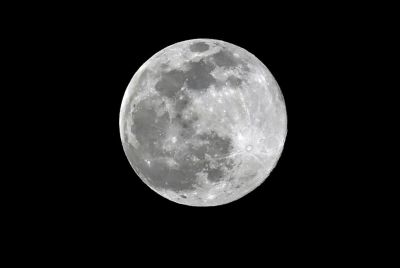
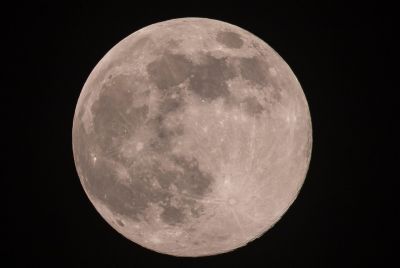
NEW YORK — Skywatchers across the globe are turning their eyes upward tonight as the Flower Moon, the first of two full moons in May 2026, reaches peak illumination, kicking off a rare celestial double feature that includes a Blue Moon at month's end and offers a spectacular reminder of the rhythms governing our solar system.
The Flower Moon, named by several Native American tribes for the abundance of blooming wildflowers in spring, will appear full Thursday night through Saturday, with its precise peak at 1:23 p.m. ET on Friday. While technically full for only a moment, the moon will look nearly identical over several nights, providing ample opportunities for viewing and photography. This month's lunar event is especially noteworthy because it is followed by another full moon on May 31, qualifying the second as a Blue Moon — the traditional term for the second full moon in a calendar month.
Double full moons in a single month occur roughly every 2.7 years on average, making this a relatively uncommon treat for astronomers and casual observers alike. The phenomenon arises because the lunar cycle lasts about 29.5 days, slightly shorter than most calendar months. When a full moon falls early in a 31-day month, a second one can fit before the month ends. May 2026 perfectly aligns with this pattern, delighting sky enthusiasts and sparking increased interest in lunar observation events worldwide.
The Flower Moon's cultural significance spans continents and centuries. Indigenous tribes in North America used it to mark planting seasons and the renewal of life. In other traditions, it is known as the Corn Planting Moon or Milk Moon. The name resonates particularly in the Northern Hemisphere, where spring flowers burst into color just as the moon shines brightly in the evening sky. Tonight's moon will rise shortly after sunset, appearing large and golden near the horizon before climbing higher and taking on its brilliant white hue.
Weather permitting, viewers in urban areas may still enjoy the display despite light pollution, though darker rural locations will offer the best views. The moon will be visible all night, reaching its highest point around midnight local time. Photographers recommend using tripods and longer exposures to capture details on the lunar surface, including craters and maria. Social media platforms are expected to fill with images as enthusiasts share their captures from around the world.
Astronomers note that while full moons are common, the double feature adds excitement and educational value. Planetariums and observatories are hosting viewing parties and virtual events to explain lunar mechanics. NASA and other space agencies have highlighted the event on their outreach channels, encouraging public engagement with science. The Blue Moon on May 31 will be the third full moon in a season with four, sometimes called a seasonal Blue Moon, adding another layer of rarity.
The lunar cycle influences more than just night skies. Tides reach higher extremes around full moons, affecting coastal communities and marine life. Farmers and gardeners have long used lunar phases for planting guidance, with the Flower Moon traditionally associated with growth. Wildlife behavior, including nocturnal animal activity, often intensifies during brighter nights. Scientists continue studying these subtle but measurable effects on Earth's ecosystems.
For many, tonight's moon serves as a moment of reflection and wonder. In an era of constant digital distraction, celestial events like the Flower Moon remind people of humanity's connection to the cosmos. Families and communities are gathering for moonlit walks, storytelling sessions and educational programs. The event's accessibility — requiring no equipment beyond the naked eye — makes it inclusive for all ages and backgrounds.
Astrophotographers and amateur astronomers are particularly excited. Social media hashtags related to the Flower Moon and Blue Moon are trending, with users sharing tips for capturing the best images. Professional observatories are streaming live views for those unable to see the moon clearly from their locations. The double feature provides multiple opportunities throughout the month for engagement.
As May progresses, attention will shift toward the Blue Moon at month's end. That event, occurring on May 31, will cap a month rich in lunar activity. Blue Moons carry no special astronomical properties beyond their rarity, but cultural traditions often associate them with magic, reflection and change. The back-to-back full moons create a memorable celestial bookmark for spring 2026.
Tonight's Flower Moon arrives amid broader interest in space exploration. NASA's Artemis program and private missions have heightened public fascination with the moon. Events like this bridge everyday observation with scientific discovery, inspiring younger generations to pursue STEM fields. Educators are incorporating the moon phase into lesson plans worldwide.
For those stepping outside tonight, the Flower Moon offers more than visual beauty. It provides a pause to appreciate natural cycles in an increasingly artificial world. Whether viewed from a bustling city rooftop or a quiet countryside field, the moon's glow connects observers across distances and cultures. As the first act in May's rare double feature, it sets the stage for continued wonder as the month unfolds.
© Copyright 2026 IBTimes AU. All rights reserved.
- Recommended For You