When and How to See Strawberry Moon? Moon Rises June 29 as Final Micro Moon of 2026
Explore the unique characteristics of June's Strawberry Moon and how to best view it.
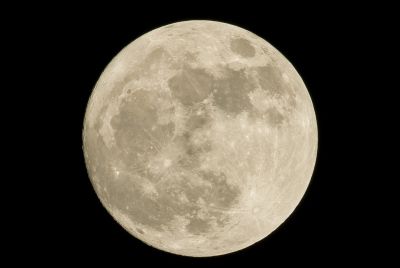
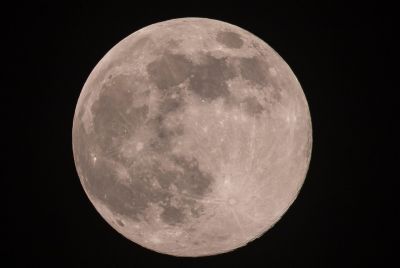
June's full moon, known as the Strawberry Moon, will reach peak illumination on June 29, marking the third and final micro moon of 2026 and giving skywatchers across North America a chance to view one of the year's most distinctive lunar events — even if its name has nothing to do with how it actually looks in the sky.
Not What the Name Suggests
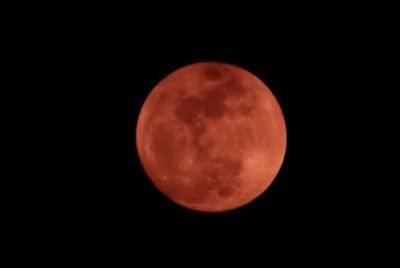
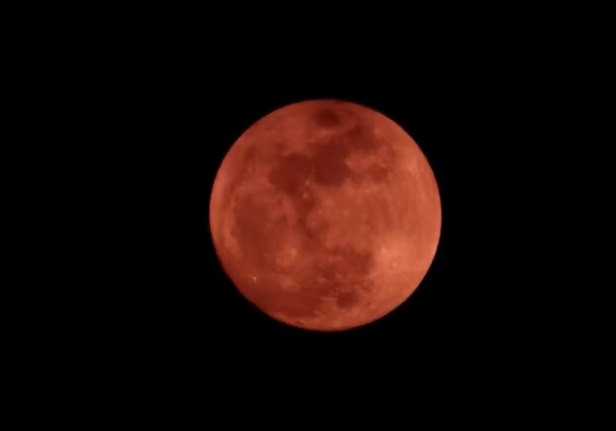
Despite its evocative name, June's Strawberry Moon is not pink or red unless it's also a blood moon. The full moon is usually the brightest object in the night sky, but not all full moons are the same. June's Strawberry Moon is a great example of this variation.
What Makes It a Micro Moon
The Strawberry Moon's defining characteristic this year comes from its position in the moon's orbit around Earth. A micro moon occurs when a full moon or a new moon happens at the same time the moon is at apogee, its farthest point in orbit from Earth.
The moon's orbit around Earth is elliptical instead of circular, which means the moon is sometimes closer to Earth, a phenomenon known as perigee, and sometimes farther away, a phenomenon known as apogee. Since the moon is in apogee, it's approximately 7% smaller than it would normally appear during a typical full moon and about 14% smaller than a supermoon.
When and How to See It
The Strawberry Moon reaches peak illumination at 7:56 p.m. ET on June 29, which is still during daylight hours for everyone in North America. That means the best time to see the full moon is that same evening once the sun has set. The moon is set to rise out of the southeastern sky just after sunset and streak across the southern horizon until it sets in the southwest just before sunrise.
An Unusually Low Position in the Sky
Skywatchers may notice that this year's Strawberry Moon isn't terribly high in the sky, and that's normal. June's full moon is the lowest full moon of any given year, due to the same mechanics that give us the summer solstice.
The explanation traces back to the Earth's axial tilt and its relationship to the moon's position opposite the sun. The Earth is tilted on its axis, and during the summer solstice, the Northern Hemisphere is tilted toward the sun. That means the sun is higher in the sky than it is at other times of the year. This also works with the moon, albeit in reverse, since the moon is always opposite the sun. The Northern Hemisphere is tilted away from the moon, so the moon appears lower in the sky than it normally does.
Slightly Higher Than Last Year's Record-Low Moon
While this year's Strawberry Moon will sit unusually low on the horizon, it won't quite match the extremity of the previous year's edition. It's not quite as low as last year's Strawberry Moon, which was the lowest full moon in decades, but if you're somewhere with a lot of trees, you may have some trouble finding it.
A Moon That's Both Smaller and Dimmer Than Usual
Beyond its low position in the sky, this year's Strawberry Moon carries the added distinction of being one of the smallest and least bright full moons of the year. A micro moon is noticeably smaller and less bright than a supermoon or even a regular full moon. The full moon is still easy to find and the brightest thing in the night sky, but you may have to walk around the block to see it behind the trees in your neighborhood.
The Final Micro Moon Until Next Year
With June 29 marking the third and final micro moon of 2026, skywatchers hoping to catch this particular lunar phenomenon again will need to wait until the next calendar year, when the cycle of perigee and apogee full moons begins anew. The combination of a micro moon coinciding with the lowest full moon position of the year makes this particular Strawberry Moon a relatively subdued, if still visible, event compared to the more dramatic supermoons that tend to draw greater public attention throughout the year.
Why the Name "Strawberry Moon" Persists
Despite having nothing to do with the moon's actual color or appearance, the Strawberry Moon name has remained a fixture of June's full moon for generations, tracing back to indigenous and early American naming traditions tied to the seasonal timing of strawberry harvests during the month. That naming convention, shared across many of the year's full moons, reflects historical observations of seasonal changes in nature rather than any visual characteristic of the moon itself — a detail that often surprises skywatchers expecting to see a moon tinted in shades of red or pink.
What to Expect on Viewing Night
For those planning to observe the Strawberry Moon on June 29, the practical viewing advice remains straightforward despite the moon's smaller and lower-than-usual appearance. Once the sun sets and the moon rises out of the southeastern sky, it will remain visible as it tracks across the southern horizon throughout the night, setting in the southwest shortly before sunrise. Given its reduced size and lower position in the sky this year, those in areas with significant tree cover or obstructed horizons may need to find a clearer vantage point, such as an open field or elevated location, to get the best possible view of the rising moon.
With the final micro moon of 2026 set to occur on June 29, attention will eventually turn to the year's remaining full moons, including any potential supermoons that may appear later in the year as the moon's orbit brings it closer to Earth during subsequent full moon cycles. For now, skywatchers across North America have a clear window on the evening of June 29 to catch this year's Strawberry Moon — a celestial event made notable less by its name or color, and more by the unusual combination of factors placing it both unusually low and unusually small in the summer night sky.
© Copyright 2026 IBTimes AU. All rights reserved.
- Recommended For You