

Backyard Bug Spray May Be Quietly Breeding Tougher, Insecticide-Resistant Mosquitoes, Study Reveals
Study reveals rapid spread of insecticide resistance in Asian tiger mosquitoes across Wake County
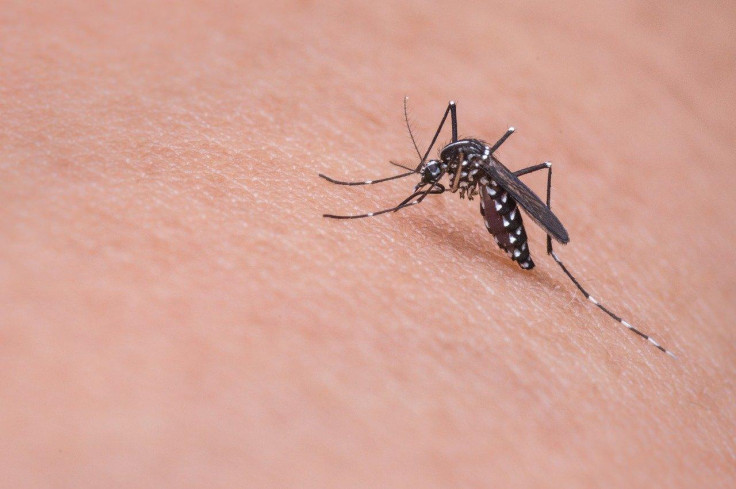
Mosquitoes in suburban North Carolina appear to be developing resistance to one of the most widely used classes of household insecticides, and researchers say the scattered, uncoordinated way homeowners spray for bugs in their backyards may be helping drive that resistance to spread quickly.
A study published in the journal Parasites & Vectors tracked a single genetic mutation in the Asian tiger mosquito across Wake County, North Carolina, over nearly a decade, documenting how a change that helps the insects survive common pyrethroid insecticides moved from a single neighborhood to nearly the entire study area within just a few years.
A mutation that spread rapidly across the county
Researchers from North Carolina State University and Augusta University collected and genetically screened 2,669 individual mosquitoes trapped at homes, businesses and one university site between 2016 and 2024, setting traps repeatedly throughout each summer season. The study focused specifically on a small genetic change affecting how nerve signals travel through the mosquito's body, a mutation that dulls the effectiveness of pyrethroids, the insecticides that work by disrupting those same nerve signals to kill the insects.
The findings showed a clear and consistent pattern of spread. In 2016, no mosquitoes in the sampling area carried the resistance-linked mutation. That changed in 2018, when it first appeared in an older, more affluent neighborhood near the center of the county. By 2022, every long-term monitoring site in the study had recorded mosquitoes carrying at least one copy of the mutation, and by 2023, the mutation had spread across the entire sampling region, with the highest concentrations remaining clustered around the neighborhood where it was first detected.
By 2023, more than a third of the relevant gene copies within the local mosquito population carried the resistant version, the highest level recorded at any point during the study. Researchers said the pace of that spread is consistent with the mutation providing mosquitoes carrying it a strong survival advantage, the kind of pattern typically seen when a chemical steadily eliminates insects lacking a protective mutation while leaving those with it largely unharmed.
Why the trend may be harder to detect than it appears
The study's authors noted one important complication that could make the scope of the resistance problem easy to underestimate in the field. Because a mosquito generally needs to inherit two copies of the mutation, one from each parent, to gain its full protective effect against the insecticide, lower levels of resistance can build within a population gradually and remain difficult to detect until the mutation becomes far more widespread.
To ensure the accuracy of their findings, researchers double-checked every genetic result with a repeat test, and confirmed a subset of those results through direct DNA sequencing, which closely matched the outcomes of their faster initial screening method.
Why backyard spraying may be part of the problem
The study's authors pointed specifically to the fragmented, uncoordinated nature of residential pest control as a likely contributing factor to how quickly the resistance mutation spread. Unlike insecticide use in agricultural or municipal settings, which tends to be more centrally organized and documented, spraying in suburban neighborhoods typically varies significantly from one household to the next. Homeowners purchase bug sprays independently from hardware stores, neighboring properties may hire entirely different pest control companies, and some blocks may be treated repeatedly while adjacent blocks receive no treatment at all.
That inconsistency, researchers said, may create conditions particularly favorable for resistance to take hold and spread, since a mosquito that survives exposure in a heavily sprayed yard can simply fly to a neighboring, untreated property and continue breeding there, effectively spreading any resistance-conferring genetic advantage throughout the broader neighborhood.
Researchers specifically called for future mosquito management strategies to more directly address what they described as private-sector contributions to insecticide selection pressure, arguing that the actions taken within individual backyards may meaningfully shape the evolutionary trajectory of an entire neighborhood's mosquito population, not just decisions made by public health spraying programs.
A pattern already documented in a related mosquito species
The specific type of pyrethroid resistance identified in this study has been studied extensively for years in Aedes aegypti, a closely related mosquito species that transmits dengue fever and yellow fever. However, researchers noted that this same resistance mutation has received considerably less attention within Aedes albopictus, the Asian tiger mosquito species examined in this particular study, especially within an American suburban setting. The study's authors said their findings offer a clear signal that resistance patterns long documented in other mosquito species are now firmly establishing themselves within this species as well.
Why the findings matter for public health
Beyond its role as a common backyard nuisance, the Asian tiger mosquito is capable of transmitting several serious diseases, including dengue, Zika and chikungunya. Pyrethroid insecticides represent one of the primary tools public health officials rely on to help control mosquito populations and limit disease transmission. If mosquitoes increasingly stop responding effectively to these chemicals, researchers warned, communities could lose one of their most dependable defenses against mosquito-borne illness, a concern that extends well beyond simple nuisance bites.
Limitations of the research
The study's authors acknowledged several important limitations. The research was conducted entirely within Wake County, North Carolina, meaning the findings may not translate directly to other regions with different climates, mosquito population densities or pest control habits. The study also tracked only a single genetic mutation tied to insecticide resistance, leaving out other potential genetic pathways that could similarly reduce insecticide effectiveness. Researchers did not directly measure the actual volume of insecticide used by residents or private pest control companies, meaning the suspected link between uncoordinated backyard spraying and the observed resistance pattern remains an informed inference rather than a definitively proven cause. The authors also cautioned that resistance appeared to dip slightly in 2024, though that year involved substantially fewer sampling sites than 2023, making direct year-to-year comparisons for that final period unreliable.
The study's authors are calling for more consistent, coordinated mosquito monitoring and management efforts that specifically account for private residential spraying practices, rather than focusing solely on public health interventions. For now, researchers say the backyard piece of the broader mosquito resistance puzzle remains almost entirely unmanaged, leaving open questions about how quickly similar resistance patterns might be emerging in other suburban communities beyond the specific area examined in this study.
© Copyright 2026 IBTimes AU. All rights reserved.