

Marriage-Based Green Cards Face Sweeping Scrutiny and Mandatory Interviews Under Trump Administration Rules
USCIS Implements Tougher Policies for Marriage-Based Green Card Applicants
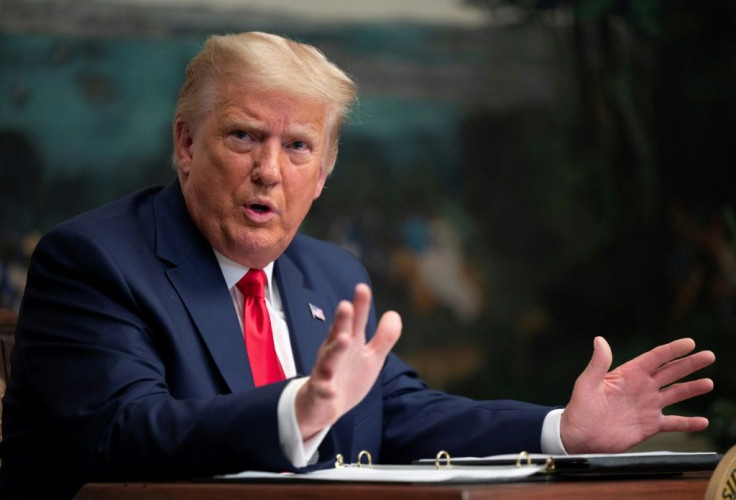
WASHINGTON — Obtaining a green card through marriage to a U.S. citizen has become a far more demanding and unpredictable process in 2026, as the Trump administration has rolled out a series of policy changes that immigration attorneys say have transformed what was once described as a relatively straightforward path into an extensive, high-stakes legal undertaking.
Marriage-based immigration has long been one of the most common routes to permanent residency in the United States. More than 250,000 marriage-based immigrant visas were issued in fiscal year 2024 alone, and spouses, children and parents of U.S. citizens accounted for roughly 53 percent of the 783,000 people who obtained green cards from within the country between October 2023 and September 2024. But this year, U.S. Citizenship and Immigration Services has implemented a series of policy shifts that attorneys and advocacy groups say have significantly raised the bar for approval.
Among the most consequential changes is the reinstatement of mandatory in-person interviews for all marriage-based green card applicants, eliminating waiver provisions that had previously allowed certain lower-risk cases, including couples married for several years with children together, to bypass the interview requirement. Both the U.S. citizen sponsor and the foreign national spouse must now appear before a USCIS officer, who may ask detailed questions about the couple's daily life, how they met, their finances and their future plans. Attorneys say even minor inconsistencies between spouses' answers can trigger a finding of marriage fraud, a determination that carries severe and often permanent consequences for future immigration benefits.
USCIS has also expanded its use of cross-referenced government databases and enhanced vetting protocols, meaning discrepancies as small as a mismatched address, a missing tax filing or a social media post that contradicts a stated timeline can now trigger a formal Request for Evidence or a Notice of Intent to Deny. Under an internal policy memorandum issued this year, officers have additionally been directed to place benefit decisions on hold for applicants from countries listed under a renewed travel-ban proclamation, a group that reportedly spans dozens of nations.
Perhaps the most sweeping change came on May 21, when USCIS issued a policy memorandum stating that adjustment of status, the process that allows eligible immigrants already inside the United States to apply for a green card without leaving the country, should be treated as a matter of discretion and "administrative grace" rather than a routine alternative to consular processing abroad. The following day, the agency publicly announced it would grant adjustment of status only in what it described as "extraordinary circumstances," a shift that immigration attorneys say could affect not only marriage-based applicants but also work visa holders, individuals with Temporary Protected Status and others seeking permanent residency from within the country.
USCIS has defended the changes as a return to the statute's original intent. In a statement, USCIS spokesman Zach Kahler said the agency's approach reflects a broader mandate to verify identities and personal histories through "a rigorous process," one intended to prioritize thoroughly screening and vetting all noncitizens seeking immigration benefits. Kahler also emphasized that beginning the marriage-based petition process does not, by itself, protect an applicant from removal, noting that a pending or approved Form I-130 petition "does not confer any immigration status."
Immigration attorneys and advocacy organizations have pushed back forcefully against the changes. Shev Dalal-Dheini, senior director of government relations at the American Immigration Lawyers Association, said the new discretionary standard represents an attempt to reshape decades of established practice, telling reporters that USCIS is "trying to upend decades of processing of adjustment of status" and that the shift applies broadly to virtually anyone seeking a green card, including spouses of U.S. citizens.
David Bier, director of immigration studies at the libertarian Cato Institute, has been similarly critical, characterizing the broader trend as part of the administration's ongoing effort to reduce legal immigration levels. Bier noted that green card approvals from within the United States have fallen sharply over the past year according to USCIS data, and he has argued that the shift toward mandatory consular processing "ignores the reality of life," pointing out that circumstances such as marriage proposals or new job offers often arise naturally after someone has already entered the country under a different visa category.
The practical impact of the changes has already been significant for couples navigating the system. Processing times for Form I-130 petitions filed by U.S. citizen spouses, classified as immediate relative cases, are now running approximately 59.5 months at some field offices, according to published USCIS data, though cases handled through national service centers may move somewhat faster. For spouses of green card holders filing under a different visa category, the underlying I-130 petition alone is taking two to three years to process at many locations. Applicants filing for adjustment of status concurrently from inside the United States are currently waiting an average of eight to nine months for a decision, though the reinstated interview requirement is expected to add further delays on top of that estimate.
The expanded scrutiny extends beyond interviews and paperwork. USCIS has broadened its application of the "public charge" doctrine, directing officers to more closely examine applicants' financial stability, credit history, English language proficiency, employment history and overall self-sufficiency, factors that attorneys say were not previously emphasized to the same degree in marriage-based cases. Officers have also been encouraged, under internal guidance issued this year, to consider whether an applicant could have returned to their home country to complete the process rather than remaining in the United States, with those who stay potentially facing longer and more intrusive review.
For applicants from certain countries, the consequences can be especially severe. One case highlighted in recent reporting involved a green-card holder married to a U.S. citizen who was born in one of dozens of countries subject to the current travel ban; despite having lived in the United States for three decades, her citizenship application filed the previous year has remained frozen, with no exception available even for spouses of U.S. military service members.
Attorneys are advising couples to prepare far more extensive documentation than in previous years, including joint financial records, lease agreements, communication histories and third-party affidavits attesting to the authenticity of the relationship, in anticipation of interviews that now carry substantially higher stakes than they did just a few years ago. With litigation over several of the new policies still developing and no clear indication of when processing backlogs might ease, immigration lawyers say the marriage-based path to a green card, while still legally available, now demands a level of preparation and legal caution that was rarely necessary under prior administrations.
© Copyright 2026 IBTimes AU. All rights reserved.