Deadly H5N1 Bird Flu Suspected in Australia for First Time, Ending the Continent's Virus-Free Status
Australia detects its first suspected case of H5N1 avian influenza in a migratory bird, raising biosecurity concerns.
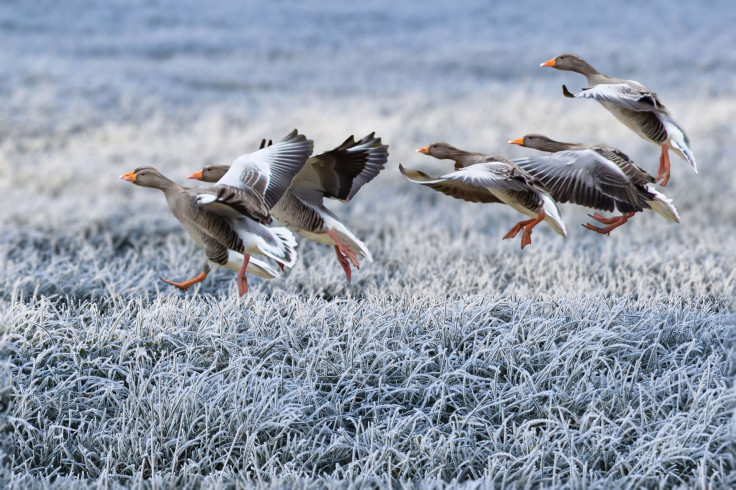
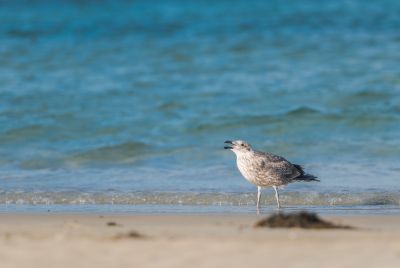
CANBERRA, Australia — Australia, the last continent on Earth to remain free of the highly pathogenic H5N1 strain of avian influenza, has detected its first suspected case of the virus, in a migratory bird found dead in southwestern Western Australia, the country's agriculture minister announced Friday.
Agriculture Minister Julie Collins, who is responsible for biosecurity, said a dead migratory bird in southwest Western Australia had tested positive for the virus, with further testing underway to confirm the result. Collins struck a measured but somber tone in addressing the development, saying that if the infection is confirmed, "this will be sobering but not unexpected, given the spread globally." She declined to confirm the specific species of the infected bird and convened a meeting of state and territory governments Friday afternoon to coordinate the response to the potential outbreak.
A Long-Anticipated and Feared Arrival
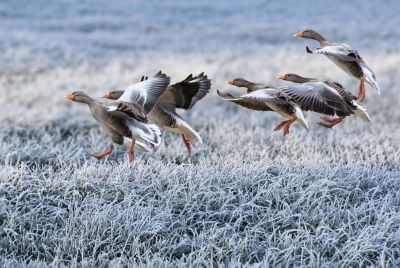
The detection had been considered all but inevitable by health and wildlife officials, given the virus's relentless global spread in recent years. Migratory birds traveling from the northern hemisphere, including those returning from breeding grounds in Alaska and Siberia, have increasingly been identified carrying the H5 strain, making Australia's eventual exposure a matter of when rather than if.
Australia had previously experienced an outbreak of H7 bird flu, a relatively mild strain of the virus that does not pose a major threat to wildlife populations. The H5 strain represents a far more dangerous threat, and its arrival marks a significant escalation in the biosecurity risk facing the country's native species.
A Strain That Has Devastated Wildlife Elsewhere
The H5 virus is a particularly deadly strain that experts warn threatens the survival of many endangered native bird species, along with mammals such as sea lions that have not previously been exposed to the virus. Black swans are among the species considered especially vulnerable. Crucially, there is no evidence that the H5 strain will trigger a human pandemic, even as it continues to inflict catastrophic losses on wildlife populations around the world.
The toll the virus has already taken elsewhere illustrates the scale of the threat now facing Australian ecosystems. The more deadly H5 strain has already spread across the entire northern hemisphere, arriving in South America in 2022 and killing more than 30,000 South American sea lions, 17,000 southern elephant seal pups, and unknown numbers of porpoises, dolphins, and otters, along with at least 650,000 native birds.
A Preview of the Threat on Australian Territory
Australia has already gotten a harrowing glimpse of what H5 can do to its own wildlife, even before Friday's mainland detection. Migratory birds are believed to have carried the virus to Heard Island, a remote Australian territory in Antarctica, where it was first detected last year. Researchers estimate that more than 13,000 seal pups were killed by the virus on the island — more than three-quarters of all new births there that season.
That earlier outbreak has loomed over Australian biosecurity planning ever since, serving as a stark warning of the devastation the virus could inflict if it reached the mainland.
Wildlife Advocates Sound the Alarm
Conservation groups responded to Friday's announcement with significant alarm, framing the suspected case as a potential turning point for Australian wildlife protection efforts. Invasive Species Council policy director Carol Booth said the suspected case signaled likely devastating impacts on Australian wildlife.
"We desperately hope this is not the realisation of our worst dreams," Booth said. "The recently reported mass deaths of elephant seals on Heard Island were a harbinger of the potential catastrophe for Australian wildlife if the virus has made it to mainland Australia."
Booth added a further warning about the virus's evolving danger to a broader range of species. "If H5 is confirmed, the government's own risk assessment predicts potentially catastrophic impacts on native birds, while the virus's increasing ability to infect mammals raises the prospect of severe impacts on marine mammals and other wildlife."
A sobering reality underlies all of these warnings: once an animal becomes infected with the virus, there is no available treatment. Wildlife cannot be treated once infected with the virus, meaning prevention and containment remain the only meaningful tools available to authorities.
A Significant Government Investment in Preparedness
In anticipation of exactly this kind of incursion, the Australian government had already committed substantial resources toward preparing a response. The Albanese government committed $113 million to preparations to deal with an H5 incursion, with an emphasis on teams to swiftly remove carcasses of infected animals to prevent further spread and on stopping farmed poultry from mixing with wild birds.
Beyond carcass removal and farm biosecurity measures, officials have also explored more direct interventions to protect the most vulnerable species. There may also be potential to shield endangered species, for example by taking some of those most at risk into captivity to help ensure their survival regardless of how widely the virus ultimately spreads.
Active Surveillance Efforts Already Underway
Ahead of Friday's announcement, the federal agriculture department had already significantly ramped up its monitoring efforts across the country. The department increased its efforts in the field, with teams deployed to wetlands, near dams, and even at water treatment plants where migratory birds congregate, particularly in northern Australia. Those teams have been watching for species known to fly between H5 hotspots and Australia, and collecting blood and other biological samples for testing.
What the Public Should Watch For
Australian officials are now urging members of the public to remain vigilant and to actively look for signs of bird flu in both wild and domestic animals as the investigation into the suspected case continues. The government says people who see multiple sick or dead birds and other animals should not touch them, but instead record their location and call a dedicated hotline at 1800 675 888.
Authorities have outlined specific warning signs to watch for across different categories of animals. In wild birds, signs of bird flu include sudden death, difficulty breathing, standing, walking, or flying, and an unusual posture. In poultry, indicators include sudden death, a reduction in egg production, lethargy, a swollen head or limbs, bruising, and breathing issues. In mammals, the virus is indicated by sudden death, weakness and lethargy, difficulty breathing and walking, as well as drooling, seizures, tremors, and walking in circles.
What Happens Next
With confirmatory testing now underway and state and territory governments convening to discuss next steps, the coming days are likely to prove critical in determining the scope of Australia's response. Should the case be confirmed, it would mark the formal end of Australia's status as the only continent on Earth to have remained entirely free of the H5N1 virus — and the beginning of what wildlife advocates fear could be a deeply consequential chapter for some of the country's most vulnerable native species.
© Copyright 2026 IBTimes AU. All rights reserved.
- Recommended For You