First Confirmed Case of Rare, Potentially Fatal Bourbon Virus Reported in New York State, Doctors Say
Bourbon virus, a rare tick-borne illness, surfaces in New York, raising concerns about its prevalence and the need for better diagnostic measures.
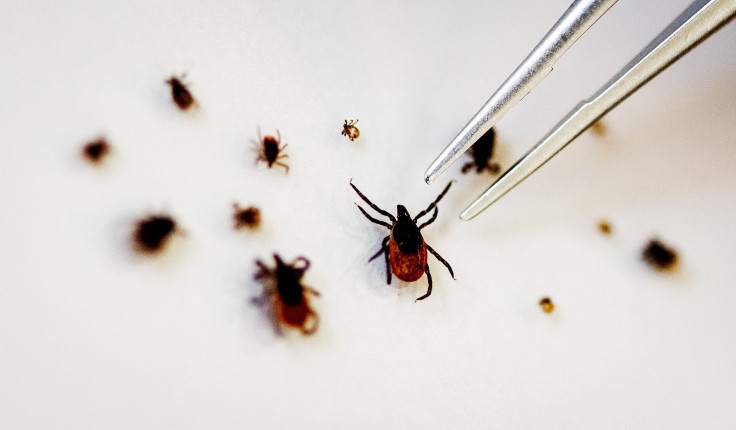
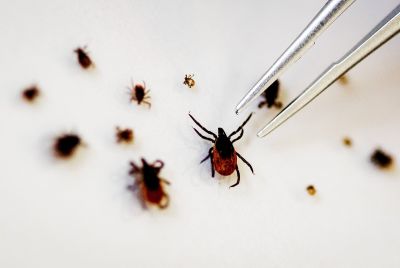
New York state has recorded its first known case of Bourbon virus, a rare and potentially fatal illness transmitted through the bite of a Lone Star tick that currently has no known treatment or vaccine, according to physicians at Stony Brook Medicine in Suffolk County.
The confirmed patient was treated for the virus in April, according to Stony Brook Medicine, with the diagnosis made by Dr. Luis Marcos, a professor in the departments of medicine and microbiology and immunology at the Renaissance School of Medicine at Stony Brook University, and director of the school's Tick-borne Disease Clinic, along with his colleagues.
Marcos described the severity of the confirmed case, which required hospitalization. "This one case certainly was the Bourbon virus, and over a one-month period antibody titers increased eight-fold," Marcos said. "The patient had shown some very severe symptoms and was hospitalized." According to local media reports, the patient has since recovered from the illness.
Marcos and his colleagues published their findings in a broader study in the American Journal of Tropical Medicine and Hygiene, examining 107 individuals who presented with fever and other symptoms consistent with tick-borne illness between 2019 and 2024, according to Stony Brook Medicine.
Bourbon virus was first discovered in 2014 and takes its name from Bourbon County, Kansas, where the initial case was identified. Since its discovery, the virus has been confirmed to cause the deaths of at least two people, one in 2014 and a second in 2026, according to a news release from Stony Brook Medicine.
Marcos suggested that the virus may be significantly more widespread in the Northeast than current diagnosed case counts indicate, given both the region's tick population and the overlap in symptoms between Bourbon virus and other, more commonly diagnosed tick-borne illnesses. "There are a lot of lone start ticks in New York and in the Northeast, we have dense populations, and when someone is infected with Bourbon virus symptoms they are similar to other tick-born infections," Marcos said. "For these reasons, the Bourbon virus is likely more prevalent than we think in our region and other cases are likely not being diagnosed."
Cases of Bourbon virus have previously been reported across the Midwest and Southern United States in addition to the Northeast, according to the Centers for Disease Control and Prevention. Symptoms of the infection include fever, fatigue, rash, headache, body aches, nausea and vomiting, the CDC said, a symptom profile that closely overlaps with several other tick-borne illnesses, complicating efforts to accurately diagnose the virus without specific antibody testing.
There is currently no vaccine available to prevent Bourbon virus infection, and no approved medication exists to treat the illness once contracted, leaving supportive medical care as the primary treatment option for patients who develop severe symptoms. The virus remains considerably rarer than more well-known and extensively studied tick-borne illnesses, including Lyme disease, which affects a far larger number of people annually and has been the subject of significantly more scientific research and public health attention.
Marcos and his co-authors emphasized the need for expanded medical infrastructure to better track and diagnose the virus going forward. The researchers wrote that their study results "highlight the need for expanded viral surveillance, clinical testing and assay development to improve clinical decision-making and inform tick-borne disease epidemiology and vector management."
The Lone Star tick, formally known by the scientific name Amblyomma americanum, is the specific tick species responsible for transmitting Bourbon virus to humans. The species has expanded its range significantly across parts of the eastern and central United States in recent years, a shift researchers have linked to changing climate conditions and land use patterns that have created more favorable habitat for the tick across a broader geographic area, including parts of the Northeast where the species was historically less common.
Health officials generally recommend standard tick-bite prevention measures to reduce the risk of Bourbon virus and other tick-borne illnesses, including wearing long sleeves and pants when in wooded or grassy areas, using insect repellent registered with the Environmental Protection Agency, conducting thorough tick checks after spending time outdoors, and promptly removing any attached ticks using fine-tipped tweezers. Because early symptoms of Bourbon virus closely resemble those of other tick-borne illnesses and common viral infections, physicians have emphasized that a high index of clinical suspicion, combined with a thorough patient travel and exposure history, remains important for identifying potential cases that might otherwise go undiagnosed or be misattributed to a more commonly recognized tick-borne illness.
With New York's first confirmed case now documented and researchers continuing to study the virus's broader prevalence in the region, health officials and infectious disease specialists are expected to continue monitoring for additional cases as diagnostic testing capacity for the rare virus gradually expands across the Northeast and other regions where the Lone Star tick population continues to grow.
© Copyright 2026 IBTimes AU. All rights reserved.
- Recommended For You