(VIDEO) Tick Bite Tragedy: How Mammalian Meat Allergy Killed Australian Teen Jeremy Webb at 16
SYDNEY — Jeremy Webb was a typical 16-year-old Australian boy who loved camping, bike riding and spending time outdoors with friends and family on the Central Coast of New South Wales. But a seemingly harmless campfire meal of beef sausages during a June 2022 camping trip at MacMasters Beach turned fatal when the teenager suffered a severe allergic reaction that triggered a deadly asthma attack. Four years later, a coroner's inquest has confirmed Jeremy became the first known Australian — and one of only two people worldwide — to die from mammalian meat allergy, a rare but increasingly recognized condition triggered by the bite of the paralysis tick.

On the night of June 11, 2022, Jeremy and his friends were enjoying a classic camping dinner of sausages and toasted marshmallows. Shortly after eating, he began feeling nauseous and breathless. He ran to a nearby camper van for help, collapsed, and friends performed CPR while waiting for paramedics. Jeremy was rushed to Gosford Hospital but was pronounced dead just over an hour later. Initially, his death was attributed to a severe asthma exacerbation, a condition he had managed for years.
It was only during a coronial inquest that the true cause emerged. In February 2026, NSW Deputy State Coroner Carmel Forbes ruled that Jeremy died from "anaphylaxis due to mammalian meat allergy after tick bite, causing an acute exacerbation of asthma, which progressed to status asthmaticus." The finding marked a landmark case in Australia, highlighting the dangers of alpha-gal syndrome, an allergy to red meat and other mammalian products triggered by the lone star or paralysis tick's saliva.
Jeremy had been frequently bitten by ticks while camping and riding his bike in bushland areas around his home. His mother, Myfanwy Webb, later recalled how her son would come home covered in ticks. Doctors now believe repeated exposure sensitized him to the alpha-gal sugar molecule found in mammalian meat. When he ate the beef sausage that night, his immune system unleashed a delayed but catastrophic reaction — often hours after consumption — that combined with his asthma to prove fatal.
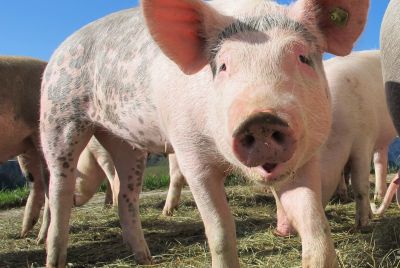
The allergy, first identified in the United States and now spreading in Australia, causes symptoms ranging from hives and gastrointestinal distress to life-threatening anaphylaxis. Unlike typical food allergies, reactions can be delayed by several hours and are triggered by red meat, pork, lamb, dairy and even some medications containing mammalian ingredients. Sydney's northern beaches and Central Coast have emerged as global hotspots for the condition due to the prevalence of the eastern paralysis tick.
Jeremy's parents, Myfanwy and her husband, have become passionate advocates for greater awareness since the coroner's findings. They hope their son's tragic story will prevent similar deaths as cases of tick-induced meat allergy rise across Australia. "Jeremy's death may have been prevented if we had known more," Myfanwy told media outlets. The family worked with specialists like immunologist Dr. Sheryl van Nunen, who identified alpha-gal antibodies in blood samples preserved from Jeremy's autopsy.
Health authorities are now urging the public to take tick bites seriously. Prevention tips include wearing protective clothing in bushland, using tick repellents, performing thorough body checks after outdoor activities, and properly removing any attached ticks with fine-tipped tweezers. Experts recommend seeking medical advice if unusual symptoms appear after a bite, especially before consuming red meat.
The case has drawn international attention, with Jeremy recognized as the first confirmed fatality from this allergy in Australia and only the second globally. Scientists warn that climate change and expanding tick habitats could lead to more cases. Public health campaigns are ramping up to educate doctors and the community about symptoms and management, including carrying epinephrine auto-injectors for those diagnosed.
Jeremy's friends, who tried desperately to save him that night, have spoken of their lasting trauma and commitment to honoring his memory. The teenager was remembered as kind, adventurous and full of life. His family described him as someone who made a big impact on everyone he met. In the years since his death, they have channeled grief into advocacy, pushing for better tick awareness and medical recognition of alpha-gal syndrome.
Medical experts emphasize that while the allergy is serious, most people can manage it successfully with diet changes and vigilance. Avoiding mammalian meat and products is the primary treatment, along with careful monitoring for cross-reactive triggers. Jeremy's undiagnosed condition combined with his asthma created a perfect storm, but early diagnosis could have changed the outcome.
The coroner's report also recommended updates to tick removal guidelines and public education materials, including replacing outdated advice in some resources. Jeremy's family has expressed hope that these changes, along with increased awareness, will save lives. Health departments in tick-prone areas have begun incorporating alpha-gal information into their resources.
As the story of Jeremy Webb continues to spread through media and social platforms, it serves as a sobering reminder of nature's hidden dangers. What began as a fun camping trip for a group of teenagers ended in unimaginable loss, but Jeremy's legacy now focuses on prevention and education. His parents hope that by sharing his story, other families will learn to recognize the risks and protect their children from similar tragedies.
In the bushland areas where Jeremy once rode his bike and explored, the ticks remain. But thanks to his case, more people are now equipped with knowledge that could prevent the next preventable death. The tragic story of a 16-year-old boy killed by a tick continues to resonate, turning personal loss into a powerful public health message.
© Copyright 2026 IBTimes AU. All rights reserved.
- Recommended For You