EWG Releases 2026 Dirty Dozen List: Spinach Tops Pesticide-Heavy Produce as PFAS 'Forever Chemicals' Detected
The Environmental Working Group on Tuesday released its annual 2026 Shopper's Guide to Pesticides in Produce, with spinach claiming the top spot on the Dirty Dozen list of fruits and vegetables carrying the highest levels of pesticide residues. Nearly 96% of samples from the 12 items tested positive for pesticides, and more than 60% contained traces of PFAS — the so-called "forever chemicals" — marking the first time the advocacy organization has highlighted their widespread presence in the Dirty Dozen.
The report, based on the most recent U.S. Department of Agriculture testing data, analyzed 47 popular fruits and vegetables. It found a total of 203 different pesticides across the Dirty Dozen items, with samples averaging four or more pesticides each — except potatoes, which averaged two. The findings come as consumer awareness of pesticide exposure grows, particularly among parents and those seeking to reduce potential health risks for children.
Here is the complete 2026 Dirty Dozen list, ranked from most to least contaminated according to EWG's methodology, which now incorporates not only the amount and number of pesticides but also their relative toxicity:
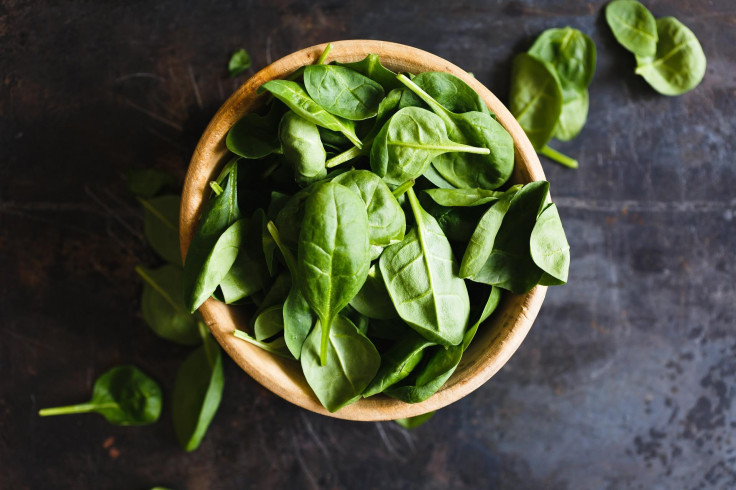
- Spinach — Carried more pesticide residue by weight than any other produce tested, with an average of four or more different pesticides per sample.
- Kale, collard and mustard greens — More than half of kale samples contained a possibly cancer-causing pesticide, and the group as a whole showed traces of over 100 different pesticides in some tests.
- Strawberries — A perennial favorite that remains heavily contaminated, with nearly all samples testing positive for multiple residues.
- Grapes — Thin skins make them especially susceptible to absorbing sprays.
- Nectarines
- Peaches
- Cherries
- Apples
- Blackberries
- Pears
- Potatoes
- Blueberries — Newly prominent this year alongside mentions of green beans joining the broader high-residue group.
EWG senior scientist Dr. Olga Naidenko emphasized that the list is designed to help consumers reduce exposure without discouraging fruit and vegetable consumption. "Eating plenty of produce is one of the best things you can do for your health," she said in a statement accompanying the release. "The guide simply helps you choose options with fewer pesticides when possible."
For the first time, the 2026 analysis specifically flagged PFAS pesticides appearing on more than 60% of Dirty Dozen samples. These persistent chemicals, linked to health concerns including cancer, immune system disruption and developmental issues, have drawn increasing regulatory scrutiny. The report also noted that certain pesticides banned or heavily restricted in the European Union continue to appear on U.S. produce.
Critics, including some in the produce industry, argue that the Dirty Dozen list overstates risks because residues are typically well below safety thresholds set by the Environmental Protection Agency. They point out that the EPA evaluates pesticides based on lifetime exposure levels and that washing and peeling produce further reduces residues. The industry maintains that conventional farming practices are safe and necessary to meet global food demand.
EWG counters that its methodology accounts for the number, frequency and toxicity of detected chemicals, including potential effects on children and pregnant women. The organization has published the guide annually since 2004, using USDA and FDA testing data that simulates how consumers prepare produce at home — after washing but without always peeling.
Shoppers seeking to minimize exposure have several practical options. Buying organic versions of Dirty Dozen items can significantly reduce pesticide intake, though organic produce is not entirely pesticide-free and costs more. For budget-conscious families, prioritizing organic for the top items on the list while choosing conventional Clean Fifteen produce offers a balanced approach.
The guide also provides tips for washing produce more effectively, though EWG notes that no household method removes all residues. Thorough rinsing under running water, using a brush on firm items like potatoes and apples, and removing outer leaves of leafy greens can help.
Health experts generally agree that the nutritional benefits of eating fruits and vegetables far outweigh potential risks from pesticide residues at current levels. The American Academy of Pediatrics and other organizations recommend maximizing intake of produce while supporting policies that reduce overall pesticide use in agriculture.
The 2026 release arrives amid broader discussions about food safety, sustainable farming and the long-term environmental impact of chemical pesticides. Consumer demand for organic and regeneratively grown produce has grown steadily, pressuring retailers and growers to adapt.
For parents, the list often serves as a practical shopping tool. Many report using the Dirty Dozen as a checklist when planning family meals or packing school lunches. Pediatricians sometimes reference the guide when counseling families on reducing children's exposure to potential endocrine disruptors and neurotoxic compounds.
EWG's full report, available for free on its website, includes detailed breakdowns for each item on the Dirty Dozen and Clean Fifteen, along with historical trends and methodology explanations. The organization also offers a mobile app and printable guides to help shoppers at the grocery store.
As spring produce seasons begin in many parts of the country, the timing of the 2026 guide provides timely advice for consumers stocking up on fresh fruits and vegetables. Whether shopping at farmers markets, supermarkets or big-box stores, the Dirty Dozen and Clean Fifteen continue to influence purchasing decisions for millions of Americans seeking to eat healthier with fewer chemicals.
While debate over the scientific interpretation of residue data persists, the guide's enduring popularity underscores public interest in transparency about what ends up on dinner plates. EWG plans to continue updating the analysis each year as new testing data becomes available.
In the meantime, nutritionists offer a simple takeaway: eat more fruits and vegetables, choose organic for the highest-residue items when feasible, and focus on variety and enjoyment rather than perfection.
© Copyright 2026 IBTimes AU. All rights reserved.
- Recommended For You