Nancy Guthrie Health Fears Intensify as DNA Analysis Advances in Kidnapping Case
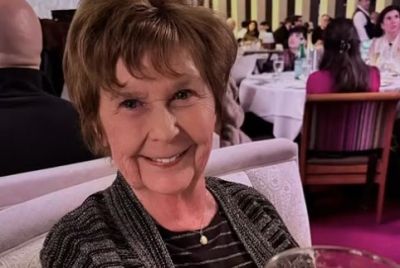
TUCSON, Ariz. — More than two and a half months after 84-year-old Nancy Guthrie vanished from her Catalina Foothills home, authorities and medical experts continue to express grave concerns about her fragile health, with no confirmed sightings or proof she remains alive despite ongoing FBI DNA analysis and new ransom claims.

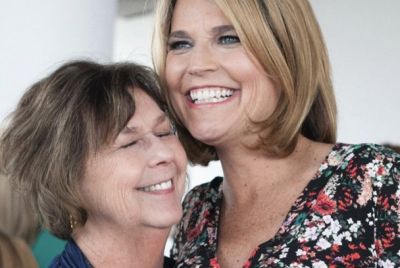
Guthrie, the mother of NBC's "Today" co-anchor Savannah Guthrie, was last seen Jan. 31, 2026, after a family dinner. She was reported missing the next morning when she failed to join friends for an online church service. Investigators believe she was abducted in the early morning hours of Feb. 1, citing surveillance footage of a masked, armed individual tampering with her doorbell camera around 1:47 a.m. and data showing her pacemaker disconnecting from her phone at approximately 2:30 a.m., indicating the device moved out of range.
Drops of blood confirmed to match Guthrie's DNA were found on her front porch, though the scene showed relatively little disarray, leading some experts to suggest something went wrong quickly during the incident. No signs of a major struggle were reported, but the presence of blood and the abrupt pacemaker disconnection heightened immediate worries about injury and her underlying medical conditions.
From the outset, law enforcement has emphasized Guthrie's precarious health as a critical factor. The 84-year-old relied on daily medications for high blood pressure and other cardiac issues, and she had a pacemaker. Family members and authorities noted she was not in robust condition, with limited mobility due to a bad back and other age-related ailments. Doctors warned that missing even a short period of her prescribed regimen could prove life-threatening, raising risks of heart attack, stroke, dehydration or other complications exacerbated by stress and possible captivity.
Pima County Sheriff Chris Nanos stated early in the investigation that Guthrie was "sharp as a tack" mentally but physically vulnerable, with her life potentially at risk without prompt access to medication. A doctor appearing on media outlets highlighted how abduction stress on an elderly person with cardiac problems could trigger fatal events, noting adults over 60 often feel heightened terror and vulnerability in such situations.
As weeks turned into months, those concerns have only deepened. By early April, former detectives and criminal profilers suggested kidnappers may have fatally underestimated Guthrie's fragility. One Indiana detective told NewsNation that the abductors likely assumed they could hold an elderly woman for ransom briefly before releasing her, but her health may have deteriorated rapidly under duress, possibly leading to a medical event or the decision to dispose of her body when she was "no longer of value."
Forensic nurse and criminal profiler Ann Burgess theorized that "something went very wrong" inside the home, pointing to the limited blood evidence and wondering about its source and spread. Experts have speculated the perpetrators might have planned a quick operation but encountered complications due to Guthrie's condition, shifting from ransom to potential cover-up.
The investigation has yielded incremental developments but no breakthrough in locating Guthrie or identifying suspects. The FBI recently received and is analyzing a mixed DNA sample recovered from her home, including results from a hair sample, using advanced new technology in hopes of generating leads. Sources familiar with the probe described the DNA as potentially critical, though results have not yet been publicly linked to any individual.
Multiple ransom notes have surfaced, some sent to TMZ demanding cryptocurrency payments. Earlier demands carried deadlines that passed without resolution. In recent days, additional letters claimed knowledge of Guthrie's body location and the kidnapper's identity, but their authenticity remains unverified and authorities have not confirmed any payments or credible breakthroughs from them.
No suspects have been named publicly more than 75 days into the case. Surveillance video, DNA from gloves or other items, and neighborhood canvassing have not produced arrests. Some experts suggest the perpetrator could be someone Guthrie knew or who had scouted the home weeks earlier, based on timeline details shared by the sheriff.
Savannah Guthrie has stepped away from "Today" show duties at times amid the anguish, with family maintaining a low public profile while cooperating fully with investigators. Friends described Nancy as mentally sharp, socially active — she played mahjong, read books and celebrated her birthday shortly before disappearing — despite physical limitations that made even walking to the mailbox challenging on difficult days.
Health experts consulted on the case have painted a bleak picture for prolonged captivity. Without blood pressure medication and cardiac support, an 84-year-old with a pacemaker faces elevated risks of arrhythmia, hypertension crises or strokes. Stress from abduction could compound these, potentially causing a fatal cardiac event within days or weeks. Dehydration, lack of proper nutrition or injury from the initial incident would accelerate decline.
Some analysts note that dropping ransom amounts in later communications might signal desperation on the perpetrator's side — or indicate that the victim's health had already failed, reducing leverage. Odds of a safe rescue after this length of time for an elderly person with medical needs are estimated low by some observers, though officials continue to urge the public for tips and treat the case as an active abduction.
The broader context adds layers of complexity. The case has drawn national attention due to Savannah Guthrie's prominence, sparking a media circus with amateur sleuths and vloggers trespassing in the neighborhood, prompting sheriff's warnings. It also highlights vulnerabilities for elderly residents in upscale areas, where targeted crimes can exploit perceived isolation.
Pima County investigators, working with the FBI, maintain a team of about two dozen on the case. Recent activity included renewed neighborhood presence, though residents expressed frustration over disruptions. Advanced DNA testing represents the latest hope for a genetic match that could identify a suspect or confirm connections.
Family and friends have expressed profound worry, not only about Nancy's safety but specifically her ability to survive without medical intervention. In early statements, they stressed she could not go long without her prescriptions. The pacemaker disconnection early in the timeline suggested rapid removal from her familiar environment, cutting off monitoring and support.
As the search enters its third month, authorities continue to appeal for information. Tips can be directed to the Pima County Sheriff's Department or the FBI. While some profilers speculate the worst — that health complications led to disposal of remains — officials have not declared her deceased and emphasize every lead is pursued with urgency.
Medical realities for someone in Guthrie's position make time the enemy. Experts repeatedly note that even if initially uninjured beyond minor blood loss, the combination of age, cardiac history, medication dependence and abduction trauma creates a narrow window for survival without intervention. Stories of other missing elderly individuals sometimes end with survival due to resilience or quick recovery, but those cases rarely involve suspected violent abduction.
The Guthrie family's private pain has played out publicly through Savannah's occasional on-air emotions and stepped-away moments, humanizing the ordeal for viewers. Nancy was portrayed as a devoted mother and grandmother with a quiet faith, mischievous humor and strong community ties in the Tucson area.
Whether new DNA analysis yields a suspect, or further ransom communications provide actionable intelligence, the health concerns remain paramount. Detectives fear the kidnappers' miscalculation about an elderly woman's endurance may have turned a planned extortion into tragedy. Until concrete evidence emerges — a safe return, recovery of remains or arrest — the uncertainty compounds the anguish for loved ones already racing against her medical vulnerabilities.
The case serves as a sobering reminder of how quickly an elderly person's health can deteriorate under extreme circumstances. For now, Nancy Guthrie's condition — wherever she may be — continues to drive the investigation's sense of urgency, even as weeks stretch into months with more questions than answers.
© Copyright 2026 IBTimes AU. All rights reserved.
- Recommended For You