WHO Declares Ebola Outbreak Global Health Emergency as Cases Surge in Central Africa
Ebola's rapid spread across Central Africa prompts WHO to call for global coordination and immediate action.
GENEVA — The World Health Organization declared the escalating Ebola outbreak in Central Africa a Public Health Emergency of International Concern on Friday, citing rapid spread across multiple borders, overwhelmed health systems and the urgent need for global coordination to contain one of the deadliest viral diseases known to humanity.
The decision, made by the WHO's Emergency Committee after weeks of intense monitoring, marks the sixth time the organization has issued such a declaration for Ebola since the landmark 2014-2016 West Africa epidemic that killed more than 11,000 people. Director-General Dr. Tedros Adhanom Ghebreyesus described the current situation as "extremely concerning," with confirmed cases now reported in three neighboring countries and the potential for further international transmission rising daily.
"This is not just a regional crisis — it is a global threat that requires immediate, coordinated action," Tedros said in a somber news conference from WHO headquarters. "We are seeing a highly transmissible strain with a case fatality rate approaching 60 percent in some areas. The world must respond now before it spirals further out of control."
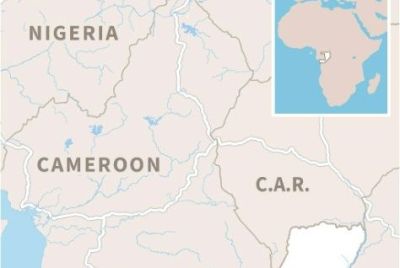
The outbreak, first detected in late February in remote areas of the Democratic Republic of Congo, has since spread to parts of the Republic of Congo and Gabon. As of May 16, 2026, health authorities have confirmed 487 cases and 292 deaths, according to the latest WHO situation report. The true numbers are likely higher due to limited testing capacity and ongoing insecurity in conflict-affected zones that hinder access for medical teams.
Rapid Spread and High Fatality Rate
Ebola, a filovirus that causes severe hemorrhagic fever, spreads through direct contact with bodily fluids of infected people or contaminated surfaces. Symptoms include fever, severe headache, muscle pain, weakness, fatigue, diarrhea, vomiting, abdominal pain and unexplained bleeding. The virus's high lethality and ability to overwhelm local health systems have made it one of the most feared pathogens on the planet.
The current outbreak involves the Zaire ebolavirus strain, the same one responsible for the devastating 2014-2016 epidemic. Health experts note that while two approved vaccines — Ervebo and a newer Johnson & Johnson product — are being deployed, logistical challenges, community mistrust and armed group activity in the region have slowed vaccination campaigns. Only about 35 percent of identified contacts have been fully vaccinated so far, far below the threshold needed to create effective herd immunity.
Global Response Mobilizes
The emergency declaration unlocks additional funding, accelerates deployment of medical supplies and allows for streamlined international cooperation. The WHO has already activated its emergency fund and is calling for $150 million in immediate support to scale up response efforts. The United States, European Union, China and several African nations have pledged additional resources, including mobile laboratories, personal protective equipment and trained personnel.
The U.S. Centers for Disease Control and Prevention has raised its travel advisory for the affected region to Level 3 (Reconsider Non-Essential Travel) and is preparing contingency plans for potential imported cases. Several countries, including the United Kingdom, France and Australia, have begun screening passengers arriving from Central Africa at major airports.
Lessons from Past Outbreaks
The 2014-2016 West Africa epidemic exposed critical weaknesses in global health security and led to significant reforms, including the creation of the WHO's Health Emergencies Programme. However, experts warn that many of those lessons have not been fully implemented in resource-poor settings. Weak health infrastructure, limited laboratory capacity and persistent community resistance remain major barriers.
"This declaration should serve as a wake-up call," said Dr. Margaret Harris, a WHO spokesperson. "We have the tools — vaccines, therapeutics and experience — but we must act with speed and solidarity. Time is not on our side."
Impact on Affected Communities
The human toll has been devastating. Entire villages have been quarantined, schools closed and local economies paralyzed as fear spreads faster than the virus itself. Health workers, already stretched thin, face daily risks while trying to trace contacts and provide care. Several frontline responders have already lost their lives, adding to the tragedy.
Community leaders in affected areas report growing mistrust toward outsiders and government officials, complicating efforts to implement control measures. Misinformation about the disease and vaccines has spread rapidly on social media, leading to attacks on treatment centers in some regions.
International aid organizations, including Doctors Without Borders and the Red Cross, have called for increased community engagement and culturally sensitive approaches to build trust. "We cannot fight this outbreak from the outside," said one senior aid worker. "Local communities must be partners, not just recipients of aid."
Economic and Regional Consequences
Beyond the immediate health crisis, the outbreak is already disrupting trade, agriculture and cross-border movement in Central Africa. Several neighboring countries have closed borders or imposed strict screening measures, affecting supply chains and local economies dependent on regional commerce.
The Democratic Republic of Congo, already grappling with multiple humanitarian challenges including conflict and displacement, faces additional strain on its fragile health system. International donors have pledged support, but delivery of aid remains hampered by logistical and security issues.
Scientific Advances Offer Hope
On a more positive note, recent scientific advances provide tools that were not available during previous outbreaks. Two effective vaccines and several promising treatments have shown strong results in clinical trials. Monoclonal antibody therapies, in particular, have reduced mortality rates significantly when administered early.
Researchers are also working on improved diagnostic tests that can deliver results in under an hour, potentially transforming contact tracing and isolation efforts. However, getting these tools to remote areas quickly remains a major challenge.
What Individuals and Governments Can Do
Health authorities are urging the public to remain vigilant but calm. Key preventive measures include avoiding contact with sick individuals, practicing good hand hygiene and seeking immediate medical care if symptoms develop. Travelers to the region should follow official health advisories and monitor symptoms for 21 days after returning.
Governments worldwide are being encouraged to support the response through funding, technical assistance and responsible travel policies. The WHO stressed that stigma and discrimination against people from affected regions must be avoided, as fear-driven reactions can hinder effective control efforts.
As the emergency response ramps up, the world watches to see whether the global community has truly learned the lessons of past Ebola outbreaks. The coming weeks will be critical in determining whether this declaration leads to a swift containment or becomes another prolonged and costly epidemic. For now, the focus remains on saving lives and preventing further spread — one community, one contact and one coordinated effort at a time.
The declaration serves as both a warning and a call to action. With the tools and knowledge now available, the international community has an opportunity to end this outbreak more quickly than in the past. Success will depend on rapid resource mobilization, community trust and sustained political commitment across borders. The stakes could not be higher for the people of Central Africa and for global health security as a whole.
© Copyright 2026 IBTimes AU. All rights reserved.
- Recommended For You