Maryland Confirms Its First Human West Nile Virus Case of 2026 as Health Officials Urge More Caution
State health officials urge preventive measures as mosquito season peaks
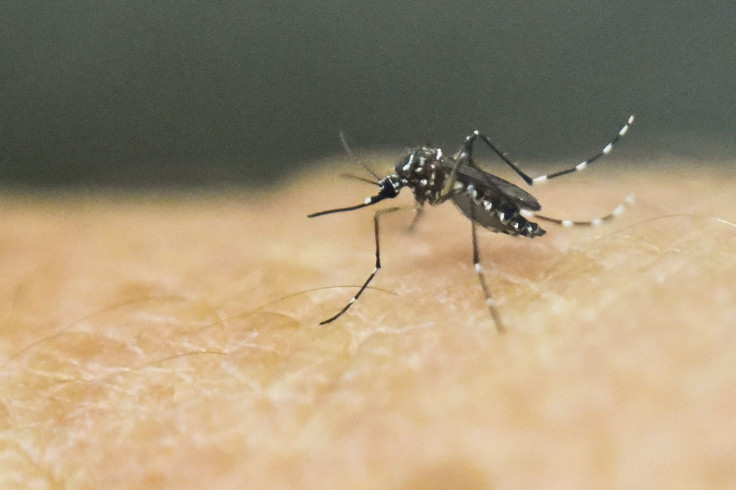
The Maryland Department of Health announced Friday that a resident has tested positive for West Nile virus, marking the state's first confirmed human case of the virus so far this year.
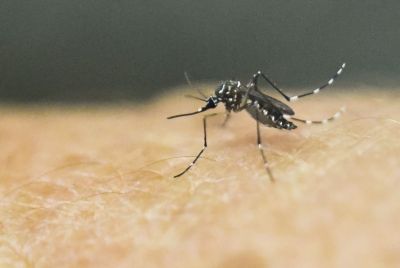
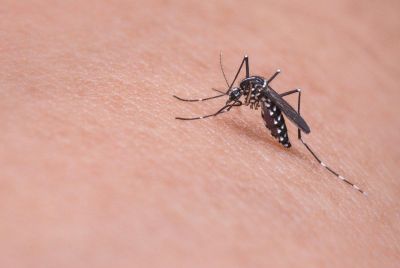
West Nile virus is transmitted to humans through the bite of mosquitoes that have themselves become infected after feeding on birds carrying the virus. In rare cases, the virus can also spread from person to person through organ donation, blood transfusion, breastfeeding, or from a pregnant mother to her fetus, according to the Maryland Department of Health.
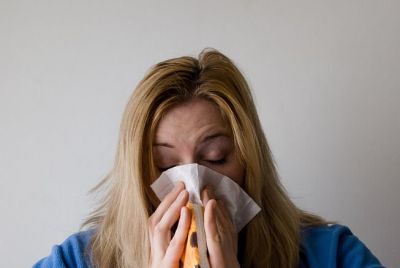
The disease primarily affects the nervous system, though most people who become infected never develop noticeable symptoms. Up to 80% of people infected with West Nile virus will show no signs of illness at all, according to state health officials. Among those who do develop symptoms, common signs include fever, headache and body aches, which may occasionally be accompanied by a skin rash and swollen lymph glands. Symptoms can last anywhere from a few days to several weeks in people who become symptomatic.
While most infections resolve without serious complications, certain populations face a higher risk of severe illness from West Nile virus. People older than 50 and those with underlying immunocompromised conditions are more likely to develop serious illness if infected, according to the Maryland Department of Health, making prevention particularly important for those groups during periods of active mosquito transmission.
Dr. Meg Sullivan, Maryland's deputy secretary for public health services, emphasized that preventing mosquito bites remains the most effective way to protect against the virus. "Your best defense against West Nile virus is to protect yourself from mosquitoes, such as using insect repellent, covering exposed skin, and eliminating standing water near your home," Sullivan said.
Standing water represents a particularly important target for prevention efforts, since mosquitoes require stagnant water to breed and lay eggs. Common sources of standing water around residential properties can include clogged gutters, unused flowerpots, birdbaths, discarded tires, and other containers capable of collecting rainwater, all of which can become breeding sites if left unaddressed during the warmer months when mosquito activity peaks.
West Nile virus was first identified in the United States in 1999 and has since become the most common mosquito-borne illness in the country, with cases reported annually across most states during the warmer months when mosquito populations are most active. The virus follows a seasonal pattern tied closely to mosquito activity, typically peaking during the summer and early fall before declining as temperatures cool and mosquito populations diminish heading into winter.
There is currently no vaccine available to prevent West Nile virus infection in humans, and no specific antiviral medication exists to treat the illness once contracted. Treatment for symptomatic cases generally focuses on managing symptoms through supportive care, such as rest, fluids and over-the-counter pain relief for milder cases, while more severe cases affecting the nervous system may require hospitalization.
Public health officials commonly recommend a range of preventive measures beyond the use of insect repellent and elimination of standing water. These include wearing long sleeves and pants during peak mosquito activity hours, typically dawn and dusk, using screens on windows and doors to prevent mosquitoes from entering homes, and ensuring that any outdoor water features, such as ponds or fountains, are properly maintained or treated to prevent mosquito breeding.
Maryland's confirmation of its first human case this year adds the state to the broader pattern of seasonal West Nile virus activity tracked nationally by public health agencies each summer. Health departments across affected states typically continue monitoring both human case counts and mosquito surveillance data throughout the summer and early fall, using that information to guide local public health messaging and, in some cases, targeted mosquito control efforts in areas where infected mosquito populations have been detected.
With the state's first confirmed case of the year now on record, Maryland health officials are expected to continue monitoring for additional cases throughout the remainder of the summer mosquito season, and have reiterated their guidance urging residents, particularly older adults and those with weakened immune systems, to take proactive steps to reduce their exposure to mosquito bites in the weeks ahead.
© Copyright 2026 IBTimes AU. All rights reserved.
- Recommended For You