

Merck Shares Decline as Pharmaceutical Giant Faces Market Rotation and Pipeline Developments
Merck's stock decline reflects broader market dynamics and sector-specific challenges.
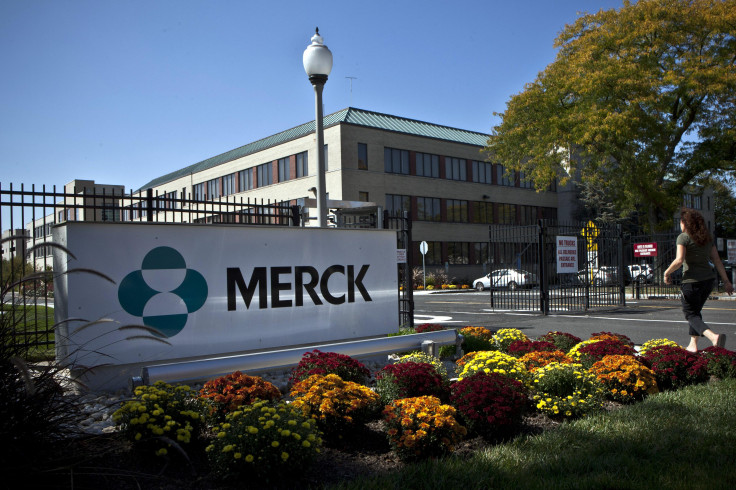
NEW YORK — Merck & Co. Inc. shares fell more than 2 percent Tuesday, closing at $125.37 as investors rotated out of certain pharmaceutical names amid broader market shifts and company-specific considerations.
The 2.44 percent decline, or about $3.13 per share, reflected typical sector volatility as the pharmaceutical industry navigates patent cliffs, regulatory developments and pipeline investments. Merck, known for its oncology portfolio and vaccines, has maintained a strong position despite periodic pressures.
Keytruda, Merck's flagship cancer treatment, continues driving significant revenue. The PD-1 inhibitor has achieved blockbuster status, with expanding approvals across multiple indications. However, eventual patent expiration remains a long-term focal point for investors.
The company's recent performance has shown resilience in core areas. Oncology sales have provided stability, while vaccine franchises like Gardasil contribute to diversified revenue. Animal health operations through Merck Animal Health add further balance.
Tuesday's trading occurred against a backdrop of sector rotation. Technology and growth stocks attracted capital, while some defensive healthcare names faced mild pressure. Merck's movement aligned with peers experiencing similar dynamics.
Merck has pursued strategic acquisitions and licensing deals to bolster its pipeline. Recent transactions aim to complement existing strengths in oncology and expand into new therapeutic areas. Integration and development timelines influence investor sentiment.
Regulatory milestones remain critical. Approvals for new indications or formulations can drive upside, while clinical trial outcomes introduce variability. Merck's research and development spending supports a robust pipeline addressing significant medical needs.
Analysts monitor Merck's ability to offset potential revenue losses from maturing products. Diversification efforts and operational efficiency help mitigate risks associated with patent expirations.
The pharmaceutical sector faces ongoing policy debates around drug pricing and innovation incentives. Merck advocates for balanced approaches that support research while ensuring patient access.
Global operations expose Merck to currency fluctuations, supply chain dynamics and varying regulatory environments. Strong performance in key markets has helped offset challenges elsewhere.
Tuesday's decline contributed to a mixed session for healthcare stocks. Broader indices showed varied performance as economic data and corporate earnings influenced sentiment.
Merck's dividend remains attractive for income-focused investors. Consistent payouts reflect the company's financial strength and commitment to shareholder returns.
Capital allocation priorities include research investment, strategic transactions and return of capital. Management balances growth initiatives with prudent financial management.
The company's commitment to corporate responsibility encompasses access to medicines, environmental sustainability and diversity initiatives. These efforts align with stakeholder expectations in the healthcare industry.
Tuesday's close at $125.37 left Merck shares in a range reflecting balanced views on near-term prospects. Valuation metrics incorporate growth projections and risk factors.
Longer-term, Merck's pipeline and commercial execution will determine trajectory. Successful launches and label expansions could support revenue stability.
Industry analysts project continued demand for innovative therapies. Merck's focus on oncology, vaccines and animal health aligns with global health priorities.
Competitive dynamics in pharmaceuticals require ongoing innovation. Merck invests significantly in research to maintain leadership positions.
Tuesday's session highlighted typical market fluctuations. Merck's fundamentals remain solid despite share price movement.
Investors will monitor upcoming earnings and clinical updates for additional insights. Guidance parameters often influence expectations in the sector.
Merck plays a vital role in addressing unmet medical needs. Its products impact millions of patients worldwide through treatments and preventive measures.
The company's history of scientific advancement supports its reputation. Discoveries in multiple therapeutic areas have contributed to public health improvements.
As Merck navigates the evolving pharmaceutical landscape, focus remains on delivering value through innovation and execution. Tuesday's trading reflected ongoing assessment by market participants.
Broader economic factors, including interest rates and healthcare policy, influence sector performance. Merck's defensive characteristics provide some insulation from cyclical pressures.
The stock's movement Tuesday contributed to sector narratives around rotation and valuation. Pharmaceutical companies with strong pipelines often command premiums.
Merck continues emphasizing patient-centric approaches and scientific rigor. These principles guide development and commercialization strategies.
Tuesday's decline represents one session in a longer-term story. Merck's trajectory depends on successful pipeline advancement and market conditions.
Investors maintain varied outlooks based on risk tolerance and time horizons. Dividend yield and growth potential appeal to different strategies.
The pharmaceutical industry remains essential to healthcare systems globally. Merck's contributions through research and medicines support its strategic importance.
As markets assess opportunities, Merck stands as a established player with diversified operations and forward-looking investments.
© Copyright 2026 IBTimes AU. All rights reserved.