

(VIDEO) Code Red Air Quality Alert Hits South-Central Pennsylvania as Canadian Wildfire Smoke Blankets Region
Residents in Susquehanna Valley advised to limit outdoor activities amid unhealthy air conditions
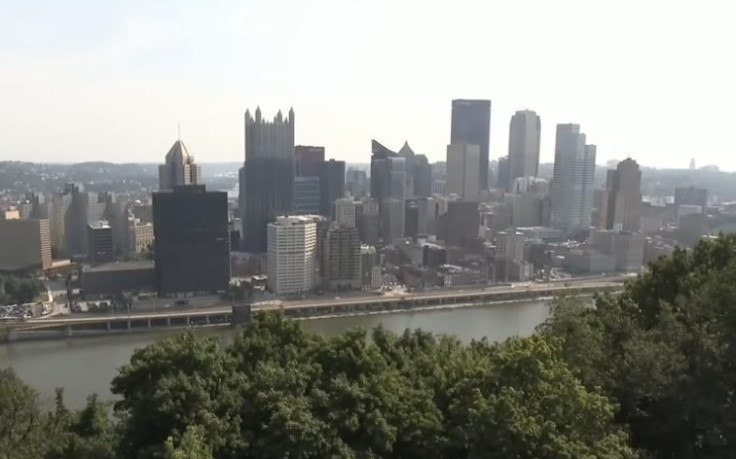
A Code Red air quality alert took effect across south-central Pennsylvania on Thursday as thick smoke from wildfires burning in Canada drifted into the region, prompting warnings from state environmental officials and creating conditions expected to disrupt normal outdoor activity for residents throughout the Susquehanna Valley.
The Pennsylvania Department of Environmental Protection issued the alert as smoke from fires burning in southern Ontario and northern Minnesota spread across the Great Lakes and into the Northeast. Meteorologists tracking the smoke said it was settling close to the surface, which is producing especially poor air quality across central and southeastern Pennsylvania compared with smoke events where haze remains higher in the atmosphere.
A Code Red designation means air pollution levels have reached a point considered unhealthy for the general public, not just for individuals in sensitive groups such as children, older adults or people with existing respiratory conditions. The alert covers the entire Susquehanna Valley for the duration of Thursday.
Local meteorologists declared Thursday an "Impact Day," a designation used when weather conditions are expected to significantly disrupt residents' typical daily routines. Officials cautioned that the smoky air could produce a range of symptoms even in otherwise healthy individuals, including itchy or burning eyes, coughing and difficulty breathing. Those with asthma or other chronic respiratory conditions were warned they could experience a worsening of their symptoms while the smoke lingers over the region.
Health officials urged residents to limit outdoor exercise and avoid strenuous physical activity outdoors for as long as the Code Red alert remains active. The advisory carries particular significance for the Susquehanna Valley, given that the last time the region saw a Code Red air quality alert was in June 2023, when a similar wave of Canadian wildfire smoke triggered widespread hazy skies and health warnings across the eastern United States.
Despite the heavy smoke reducing sunshine and keeping temperatures slightly lower than they would otherwise be, Thursday's conditions are still expected to be hot and humid. Forecasters said the high temperature was expected to reach about 92 degrees, with humidity pushing the heat index into the mid- to upper 90s. No separate heat-specific alerts were in effect as of Thursday morning, with the primary public health concern tied specifically to the smoke rather than temperature extremes.
The poor air quality is not expected to clear quickly. Forecasters said conditions will likely persist into Friday, when the alert level is expected to shift to Code Orange, indicating air quality that remains unhealthy specifically for sensitive groups rather than the general public. Officials cautioned, however, that conditions could still worsen depending on how smoke concentrations shift, and that Friday's alert could be upgraded back to Code Red if pollution levels climb again. Friday's high temperature is expected to reach near 90 degrees.
Some relief may be on the way by the weekend. Forecasters said scattered showers and thunderstorms are possible Saturday, a pattern that could help clear out lingering smoke and improve air quality heading into the start of the weekend, though the exact timing and intensity of any rainfall remained uncertain as of Thursday morning.
Health officials outlined a series of recommended precautions for residents during the smoky stretch, particularly for children, older adults and those with existing heart or lung disease, groups considered most vulnerable to the effects of poor air quality. Recommended steps include limiting time spent outdoors, avoiding strenuous outdoor activity, keeping windows closed where possible, and running air conditioning systems on a recirculate setting to limit the amount of outside air, and by extension smoke, entering homes. Officials also encouraged residents to monitor themselves for symptoms such as coughing or shortness of breath and to check local air quality sensors and forecasts before heading outside.
The smoke event adds another layer of disruption to a region already contending with a stretch of hot, humid summer weather. Local coverage of the smoky conditions noted that the alert arrived the same week runners competed in the Harrisburg Mile despite high temperatures, with race organizers taking precautions given the heat even before the wildfire smoke moved into the region. Weather trackers in the area also flagged the arrival of a wetter pattern building into the forecast for later in the week, which could bring the added benefit of clearing smoke alongside its potential to increase storm chances Thursday and beyond.
Wildfire smoke drifting into the northeastern United States from Canadian fires has become a recurring seasonal concern in recent years, with south-central Pennsylvania previously experiencing significant smoke-driven air quality alerts during comparable stretches of summer weather. Thursday's Code Red designation represents the most severe classification the state uses for air quality alerts, reserved for conditions serious enough to affect the general population rather than only individuals with preexisting health vulnerabilities.
Meteorologists said they will continue monitoring the smoke's movement and updating air quality forecasts as conditions evolve throughout the week. For now, officials are asking residents across the Susquehanna Valley to treat Thursday's hazy, smoke-filled skies as a signal to adjust their daily plans, whether that means moving exercise routines indoors, delaying outdoor errands, or simply keeping a closer eye on family members with respiratory sensitivities until the air clears.
The situation remains fluid, with forecasters cautioning that both the intensity of the smoke and the timing of improved conditions could shift depending on how the wildfires in Ontario and Minnesota continue to burn and how wind patterns carry that smoke across the Great Lakes region in the coming days. Residents were encouraged to check updated local forecasts regularly rather than relying solely on Thursday's outlook, given how quickly smoke-related air quality conditions have shifted in past events affecting the region.
© Copyright 2026 IBTimes AU. All rights reserved.