Powerful Storms Batter Tri-State Region Leaving Thousands Without Power and Widespread Damage
Tri-State region hit by severe weather, causing damage and power outages
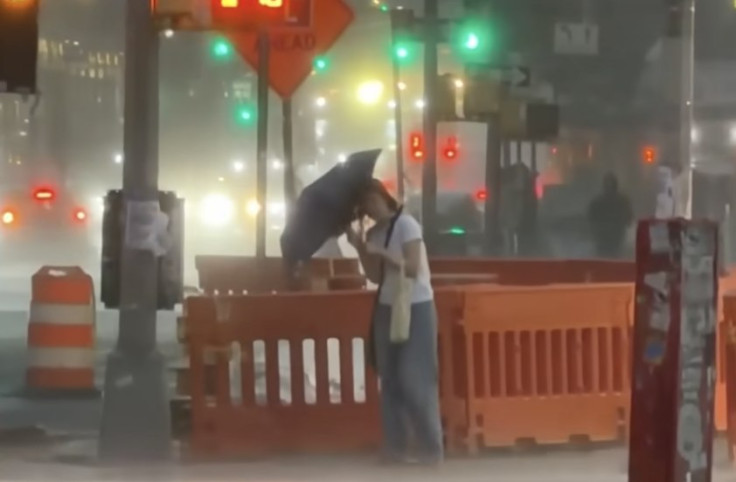
CINCINNATI — A line of intense thunderstorms swept through the Tri-State area early Thursday, downing trees, damaging buildings and leaving more than 9,000 customers without electricity as emergency crews assessed impacts across Ohio, Kentucky and Indiana.
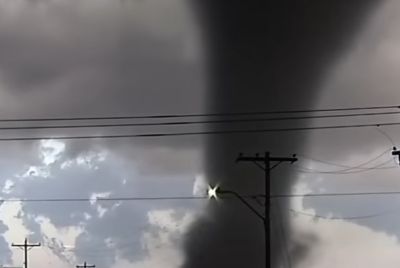
The storms, which moved through overnight, brought strong winds, heavy rain and possible tornadoes to parts of the region. Power outages peaked at more than 10,000 customers affected in Ohio and Kentucky combined, according to utility provider Duke Energy.
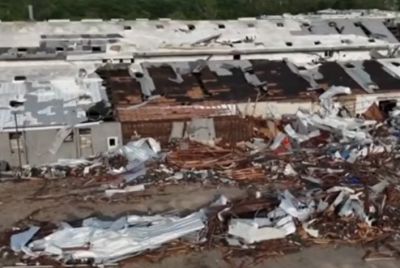
In Boone County, Kentucky, officials reported significant damage in Florence, where buildings sustained roof damage and trees were uprooted. National Weather Service crews were dispatched to survey potential tornado damage in the area.
Dearborn County, Indiana, Emergency Management Director Jason Sullivan confirmed a likely tornado touchdown, noting one reported injury though the individual declined treatment. Roads including East Laughery Creek Road and Cole Lane remained closed due to downed power lines and trees.
Duke Energy reported 4,137 outages in Boone County, 3,572 in Clermont County, Ohio, and 2,477 in Hamilton County, Ohio, as of early Thursday morning. The utility said crews were working to restore service, with some areas facing extended outages.
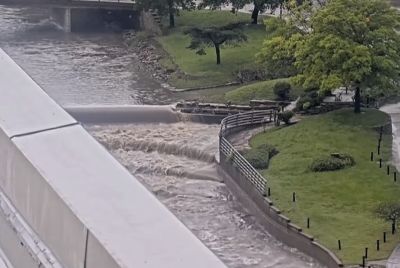
The Ohio Department of Transportation closed portions of Interstates 74 and 75 due to flash flooding. All lanes of I-75 North between I-74 and Ronald Reagan Cross County Highway were shut down, with drivers rerouted. Additional ramp closures affected traffic flow in the region.
Residents described sudden, intense weather. Bill Bertinot of Burlington, Kentucky, reported a circular motion outside his home around 12:45 a.m. before a tree fell in his yard on Micah Court.
In Florence, Kentucky, storms damaged the roof of a Dream Street store and impacted other structures. Local fire departments responded to reports of property damage and minor injuries.
The storms formed part of a larger weather system affecting the Midwest. Forecasters had issued warnings for severe thunderstorms capable of producing damaging winds and tornadoes. Rainfall led to localized flooding in low-lying areas.
Emergency management officials urged residents to avoid downed power lines and exercise caution during cleanup. Power restoration efforts prioritized critical infrastructure and medical facilities.
The Tri-State region has experienced increased severe weather activity in recent years, consistent with broader climate patterns. Utilities and emergency services maintain preparedness plans for such events, though the overnight timing complicated initial response efforts.
No widespread reports of fatalities emerged from the storms, though officials continued damage assessments. Insurance claims related to wind and water damage were expected to rise in affected communities.
Local governments advised residents to document property damage for insurance purposes and check on vulnerable neighbors. Shelters remained available for those displaced by power outages or structural issues.
Meteorologists continue monitoring the system as it moves eastward. Additional rounds of thunderstorms remain possible in some areas, though the primary severe threat has shifted away from the immediate Tri-State region.
The events serve as a reminder of the region's vulnerability to severe weather. Community resilience efforts, including tree trimming programs and infrastructure hardening, aim to reduce future impacts from similar storms.
As recovery efforts continue, residents are encouraged to heed official guidance and report hazards to local authorities. Power restoration timelines vary by location, with some customers potentially facing multi-day outages.
© Copyright 2026 IBTimes AU. All rights reserved.
- Recommended For You