

Western Power Probes Cause of Major Great Southern Outage Affecting Over 25,000 Customers
Western Power crews worked Thursday to restore electricity to more than 25,000 customers across Western Australia's Great Southern region after a widespread outage plunged homes, businesses and communities into darkness along nearly 300 kilometers of the south coast.
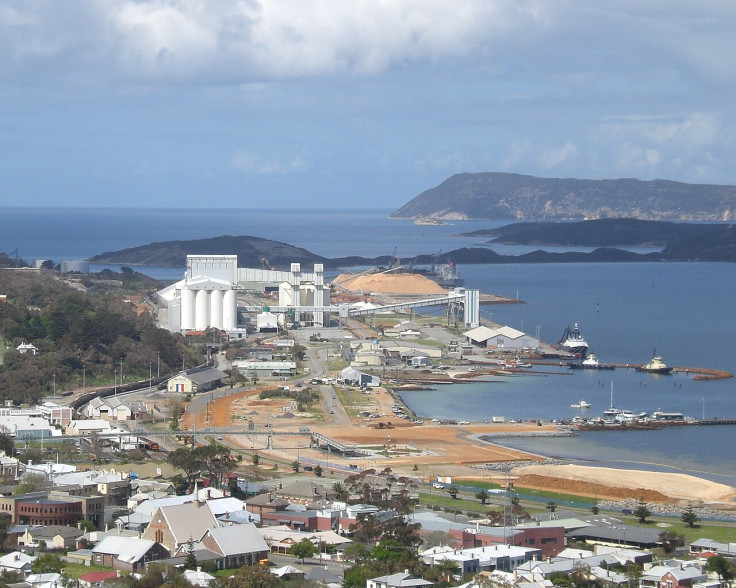
The utility reported 25,529 customers without power as the outage hit Thursday morning, with an initial estimated restoration time of midday. A spokesperson said teams were actively investigating the cause while prioritizing safe and rapid repairs.
The disruption affected a vast stretch from areas near Albany eastward and westward along the south coast, impacting towns and rural properties in the Great Southern. Residents reported sudden blackouts that halted daily activities, with some cinemas, pubs and shops plunged into darkness during morning hours.
Western Power urged affected customers to check its outage map and register for updates via SMS or the website. The company advised people to treat all power lines as live and stay clear of fallen infrastructure for safety reasons.
At peak impact, roughly half the affected customers remained without supply as crews assessed damage and worked on restoration. The outage's scale — spanning such a broad coastal corridor — suggested involvement of major transmission or distribution infrastructure rather than a localized fault.
No immediate details on the root cause emerged Thursday morning, with Western Power stating only that an investigation was underway. Past regional outages in Western Australia have stemmed from severe weather, equipment failure, vegetation contact or transmission line issues, though officials have not linked this event to storms or high winds as of midday.
The Great Southern region, known for its agricultural heartland and tourism draw around Albany, relies heavily on reliable power for farms, cold storage, water systems and small businesses. Prolonged outages can lead to spoilage of refrigerated goods, disruptions to medical equipment for vulnerable residents and economic losses for local enterprises.
Western Power, Western Australia's primary electricity network operator, serves more than 1.2 million customers across the southwest of the state. It has faced scrutiny in previous years over response times to regional faults, where long feeder lines and remote terrain can complicate rapid repairs.
Emergency services and local governments coordinated with the utility to support affected communities. Residents without power were advised to use generators safely if available, check on neighbors, and avoid using candles or other open flames indoors.
As restoration efforts continued, some customers reported partial returns of supply in pockets of the region, though the majority awaited full reconnection. Western Power's outage portal provided real-time updates, with crews deploying to multiple sites along the affected corridor.
The incident highlights ongoing challenges for electricity networks in regional Australia, where vast distances, aging infrastructure in some areas and increasing demand from population growth and electrification add complexity to maintaining reliability.
Western Power has invested in network upgrades through programs aimed at improving resilience in regional areas, including targeted replacements of poles, conductors and insulators on long feeders. Despite such initiatives, large-scale outages can still occur when faults hit critical points in the system.
Community reaction mixed frustration with understanding of the difficulties involved in restoring power across such a wide area. Social media posts from affected residents described inconvenience ranging from minor disruptions to concerns over food safety and work-from-home capabilities.
Business owners in Albany and surrounding towns expressed worry about lost trading hours, particularly those reliant on refrigeration or electronic point-of-sale systems. Tourism operators noted potential impacts on visitor experiences if outages lingered into the afternoon or evening.
Western Power emphasized safety as the priority, reminding the public not to approach fallen power lines or attempt self-repairs. The company operates a 24/7 faults and emergencies line at 13 13 51 for reporting issues or seeking information.
As of late morning Thursday, the utility had not issued a revised restoration timeline beyond the initial midday target, noting that complex faults sometimes require helicopter patrols or specialized equipment to locate and fix.
Broader context includes Western Australia's push toward greater renewable energy integration, which can introduce new dynamics to grid stability during faults. However, officials have not indicated whether this outage related to generation sources or purely network infrastructure.
State Energy Minister and other officials were expected to receive briefings on the event, though no public statements had emerged by early afternoon.
For customers still without power, Western Power recommended basic preparedness steps: keeping fridge and freezer doors closed to preserve cold, using battery-powered devices for communication, and having emergency lighting and first-aid kits on hand.
The outage comes amid a period of variable weather across southern Western Australia, though no major storm warnings were active that directly explained the widespread failure.
Western Power's network includes thousands of kilometers of overhead lines vulnerable to various failure modes, from equipment wear to external interference. Investigations into such events typically examine protection systems, switching operations and potential points of failure along the supply path.
As the day progressed, the company continued updating its online resources and social channels with progress reports. Restoration often occurs in stages as crews isolate sections, repair faults and gradually re-energize the network.
This mass outage serves as a reminder of the critical role reliable electricity plays in modern regional life, from essential services to everyday convenience. Western Power has committed to transparent communication and swift action to minimize inconvenience.
Residents and businesses in the Great Southern are encouraged to monitor official channels for the latest developments. PowerOutage maps and the Western Power website remain the best sources for real-time information.
While the full cause may take days to determine definitively, crews on the ground focused Thursday on getting lights back on as safely and quickly as possible for the tens of thousands impacted.
© Copyright 2026 IBTimes AU. All rights reserved.