(VIDEO) Oklahoma Tornado: Deadly Tornado Kills Mother and Daughter in Oklahoma as Severe Storm Shifts East
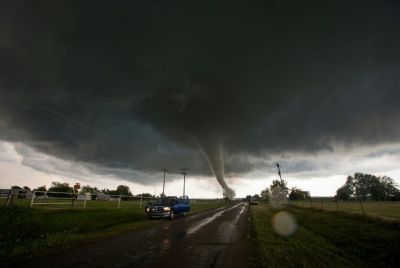
A deadly tornado struck a vehicle in northwest Oklahoma late Thursday, killing a mother and her teenage daughter as a multi-day severe weather outbreak gripped the southern Plains, with the risk expanding eastward Friday and into the weekend.
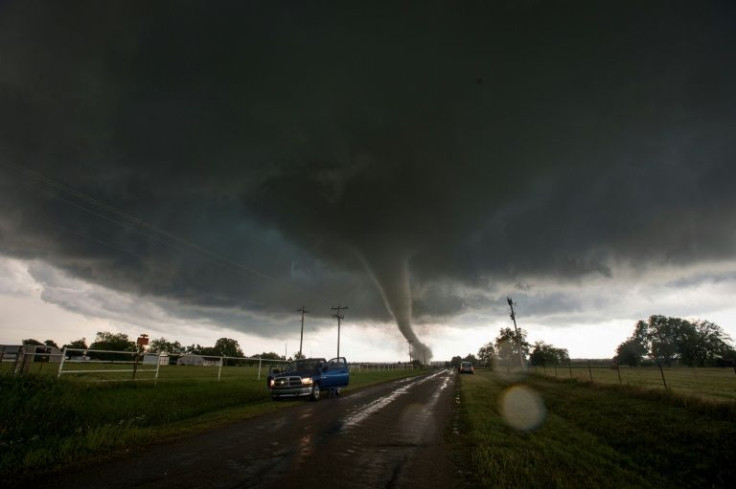
The victims, a 47-year-old woman and her 13-year-old daughter from Fairview, Oklahoma, were traveling near U.S. Highway 60 and County Road 2340 in Major County when their vehicle was hit by the tornado around 8:40 p.m. CT Thursday, according to the Oklahoma Highway Patrol and Major County Sheriff Tony Robinson. Authorities confirmed the deaths appear tornado-related, with the storm spawning a debris signature detected by the National Weather Service near Helena in neighboring Alfalfa County.
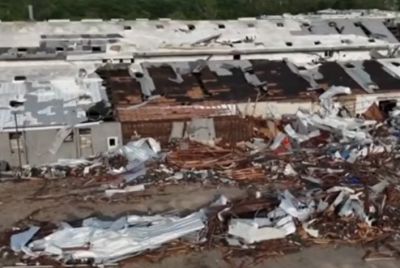
Governor Kevin Stitt expressed condolences early Friday, calling the loss "tragic" amid widespread damage reports from the storms. No other fatalities were immediately confirmed from Thursday night's activity, though multiple tornadoes touched down across northern Oklahoma, the Texas Panhandle and southern Kansas.
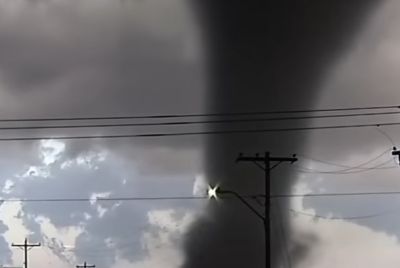
The Storm Prediction Center logged at least seven tornado reports Thursday night, including confirmed twisters in northwest Oklahoma and nearby areas. Damage included downed trees, power lines, structures in Grant County and a blown-over semi-trailer in Major County. A long-track supercell produced multiple vortices near Cleo Springs, with spotter photos showing dramatic lightning-illuminated funnels.
The outbreak began building earlier in the week, with scattered severe storms Thursday in the Texas Panhandle and western Oklahoma. Thursday night's activity marked the deadliest so far in what forecasters warn could be a prolonged severe weather event through early next week.
On Friday, March 6, 2026, the threat peaked in an Enhanced Risk (level 3 of 5) zone covering central Oklahoma, eastern Kansas and western Missouri — including major metros like Oklahoma City, Wichita and Kansas City. The greatest concern centered on eastern Oklahoma, eastern Kansas and western Arkansas/Missouri for potential strong tornadoes (EF2+), very large hail up to 2-3 inches and damaging winds exceeding 75 mph.
More than 6 million people faced the highest severe weather risk Friday, per the Storm Prediction Center, with supercells likely producing the most dangerous hazards. Large hail, destructive gusts and a few strong tornadoes topped the threats, though nighttime storms added challenges for detection and response.
As the system shifted east Saturday, March 7, 2026, the outlook featured a Slight Risk (level 2 of 5) from central Texas through the Lower Mississippi Valley and into the Upper Ohio Valley and Lower Great Lakes. Isolated to scattered severe thunderstorms were expected from morning into evening, with primary hazards of large hail (up to 2 inches in some spots), damaging winds and a lower but nonzero tornado chance — around 2-10% in hatched areas for stronger events.
Forecasters noted the clash of warm, moist Gulf air with cooler northern flows fueling the multi-day setup. The persistent pattern could bring near-daily severe weather into early next week, with a potential larger outbreak mid-week as another potent system approaches.
In the wake of Thursday's tragedy, emergency officials urged residents in threatened areas to have multiple ways to receive warnings, including NOAA weather radios, phone alerts and apps. Nighttime tornadoes, as seen in Major County, are harder to spot, increasing reliance on radar-indicated debris signatures and spotter reports.
Power outages, road closures and structural damage compounded response efforts in northwest Oklahoma. The Red Cross and local agencies mobilized aid, while damage surveys by NWS Norman continued Friday to rate tornadoes on the Enhanced Fujita scale.
The early-season severity underscores spring's volatile arrival in Tornado Alley. With warm temperatures and unstable air clashing, the Plains and Midwest face elevated risks through the weekend. Residents east of the initial outbreak zone — including parts of Arkansas, Tennessee, Missouri and Illinois — should monitor forecasts closely Saturday, as storms could produce embedded tornadoes in lines or clusters.
Experts emphasize preparation: identify safe shelters, avoid mobile homes during warnings and stay informed via official sources. The multi-day event highlights the need for vigilance as severe weather season ramps up.
As cleanup begins in Oklahoma and the threat migrates east, meteorologists continue tracking the evolving system for potential shifts in intensity or path.
© Copyright 2026 IBTimes AU. All rights reserved.
- Recommended For You