Ebola Outbreak in Congo Is Intensifying at an "Exceptional" Pace, Now the Largest on Record, WHO Warns
WHO Urges International Response as Ebola Cases Surge in Conflict Zones

An Ebola outbreak in the Democratic Republic of Congo is intensifying at an "exceptional" pace, the World Health Organization warned Saturday, calling for a significant scaling up of the international health response as the outbreak has now become the largest recorded in the country's history.
"This outbreak is now the largest recorded Ebola virus disease outbreak in the country," the WHO said in a statement. The current outbreak was formally declared May 15 and is caused by the Bundibugyo strain of the Ebola virus, a strain for which there is currently no approved vaccine or treatment.
As of July 30, the WHO reported a total of 3,605 confirmed cases and 1,587 deaths in the outbreak, translating to a case fatality rate of 44%, meaning nearly half of all confirmed cases have resulted in death. The WHO said the outbreak is "intensifying, with sustained transmission and continued increases in reported cases and deaths."
For comparison, the deadliest previous Ebola outbreak in the Democratic Republic of Congo killed nearly 2,300 people out of almost 3,500 recorded cases between 2018 and 2020, meaning the current outbreak has already surpassed that earlier crisis in total confirmed cases, even as the death toll from the current outbreak remains below that prior benchmark.
Ebola spreads through direct contact with the bodily fluids of infected individuals and causes severe hemorrhagic fever, a condition marked by high fever, internal and external bleeding, and organ failure in severe cases. The virus has killed more than 15,000 people across the African continent over the past 50 years since it was first identified.
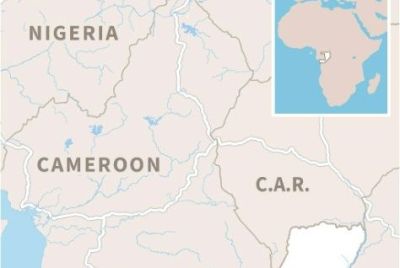
The current outbreak's epicenter is Ituri province, in the northeastern part of the Democratic Republic of Congo, a region that borders both South Sudan and Uganda. The virus has since spread beyond Ituri to four additional provinces, including North Kivu and South Kivu, regions where provincial capitals and large stretches of surrounding territory are currently controlled by the Rwanda-backed M23 armed group, a militia that has been engaged in ongoing conflict within the eastern Democratic Republic of Congo.
That combination of active armed conflict and disease transmission has significantly complicated efforts to contain the outbreak. "The convergence of insecurity, population displacement and mobility, and cross-border movements complicate response operations and increase the risk of further geographic spread," the WHO said, highlighting how the security situation in eastern Congo has made it substantially more difficult for health workers to reach affected communities, track new cases, and prevent the virus from crossing into neighboring countries.
Efforts to develop new tools to combat the outbreak have continued even as the situation on the ground has worsened. The WHO announced Thursday that a vaccine it described as the "most promising" option currently available to fight the outbreak will be developed by Hilleman Laboratories, a vaccine research organization based in Singapore. Separately, the first volunteer received an initial dose of a different vaccine candidate targeting the Bundibugyo strain last week, as part of a clinical trial being conducted by researchers at Oxford University.
The lack of an approved vaccine or treatment specifically for the Bundibugyo strain of Ebola has left health authorities relying primarily on standard outbreak containment measures during the current crisis, including case identification, contact tracing, isolation of confirmed and suspected patients, and community engagement efforts aimed at encouraging safe burial practices, since traditional burial rituals involving direct contact with a deceased person's body have historically served as a significant source of continued transmission during past Ebola outbreaks in the region.
The Democratic Republic of Congo has experienced numerous Ebola outbreaks since the virus was first identified in the country in 1976, when it was named after the nearby Ebola River. The country's public health authorities and international partners, including the WHO, have developed substantial experience responding to the virus over the decades since, though the combination of the current outbreak's rapid growth and the ongoing armed conflict in the affected regions has created conditions that health officials describe as particularly challenging compared with some previous outbreaks that occurred in more stable areas of the country.
With case counts and deaths continuing to climb and the outbreak now spanning five provinces amid active regional conflict, the WHO's call for a substantially scaled-up international health response reflects growing concern among global health officials that without significantly expanded resources and improved access to affected communities, the outbreak could continue spreading further within the Democratic Republic of Congo and potentially across its borders into neighboring South Sudan and Uganda in the weeks ahead.
© Copyright 2026 IBTimes AU. All rights reserved.
- Recommended For You